About Ebykr
Ebykr celebrates classic and vintage lightweight bicycles through provoking imagery and opinion. Ride along with us.

About Ebykr
Ebykr celebrates classic and vintage lightweight bicycles through provoking imagery and opinion. Ride along with us.

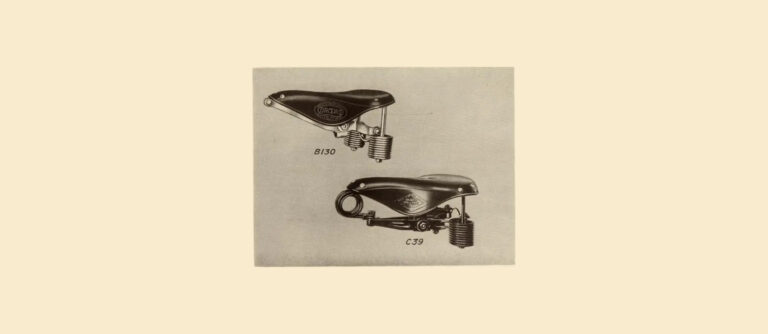
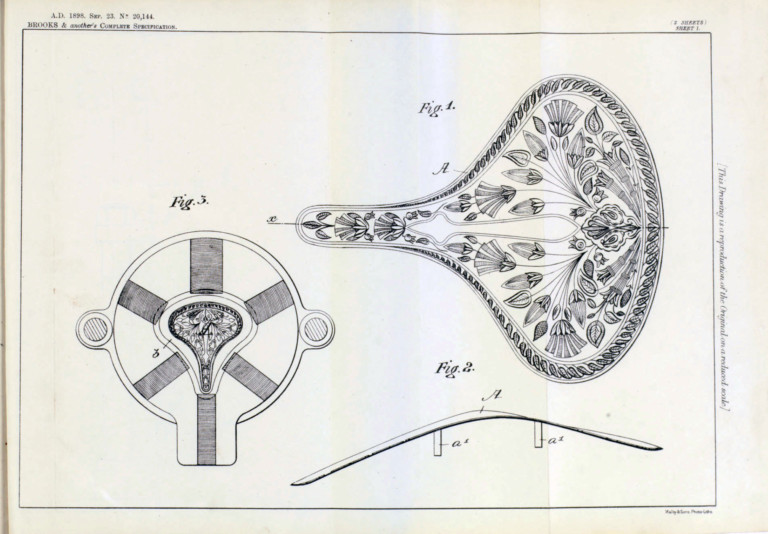
Founded in 1866 in Birmingham, England to make horse harnesses and leather goods, Brooks pivoted to bicycle saddles in the winter of 1882 and became the most enduring name in that trade. This timeline traces its long run through changes in ownership, materials and design, from steel to titanium.

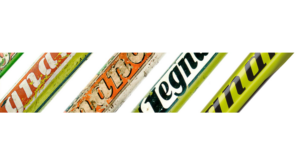
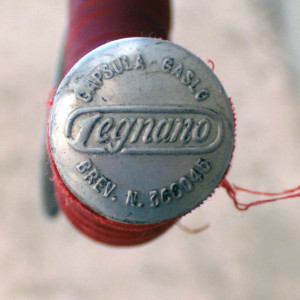
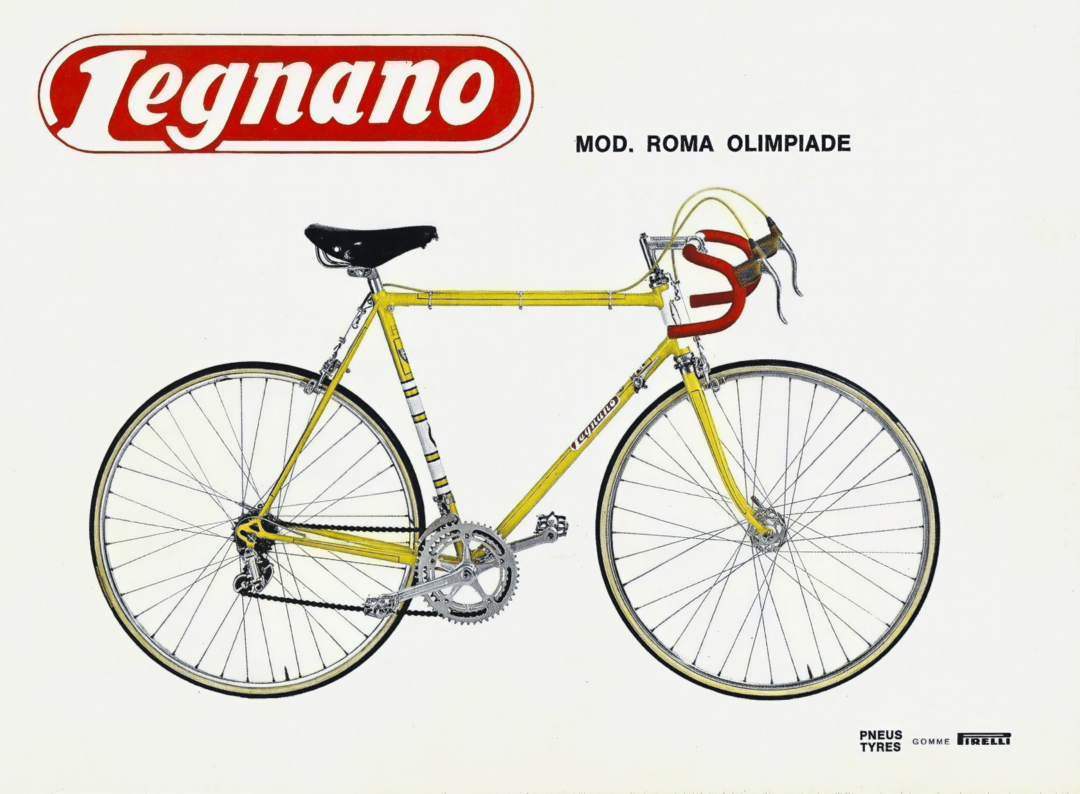
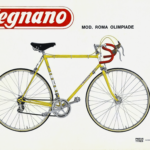
Legnano secured its place in the great tradition of Italian cycling, forged by racing greats Alfredo Binda, Gino Bartali and Fausto Coppi and by a corporate history flamboyant enough to include fascist political interference and outright murder. This timeline traces the marque from its 1902 origins to its twenty-first-century revival.

A broken leg ended Ernesto Colnago's brief competitive cycling career in 1951, but it did not end his passion for the sport. This timeline traces his path from that injury to a bicycle shop opened in Cambiago, Italy in 1954, and its growth into one of cycling's most celebrated frame-building houses, marked by unbreakable forks and a long collaboration with Ferrari.

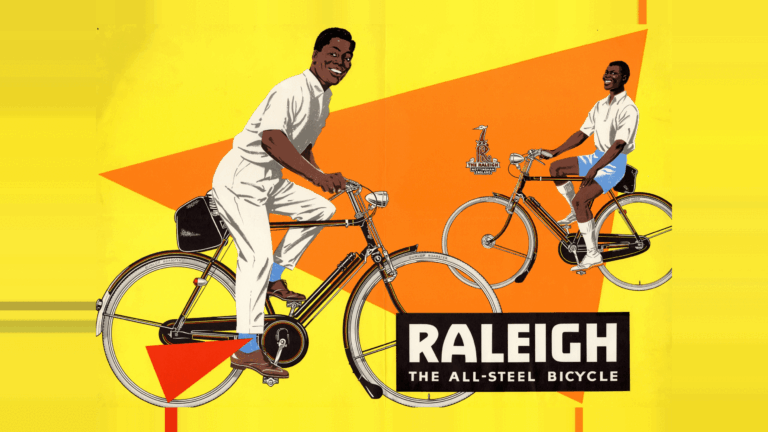
Among the most recognized bicycle brands in the world, the Raleigh Cycle Company traces its roots to a twelve-person workshop in Nottingham, England producing three bicycles a week. This timeline follows its rise to the world's largest bicycle manufacturer and its long path through gearing innovation, wartime production, folding bikes and mountain bikes to a 2012 sale to Accell Group.

From its 1887 beginnings as a modest textile workshop built by Charles Terrot in rural Dijon, France, the Terrot enterprise grew into a resoundingly popular manufacturer of bicycles and motorcycles over the next three quarters of a century. This timeline traces its groundbreaking products, aggressive marketing and podium record from 1887 to 1970.

Gitane took its name from founder Marcel Bruneliere's own nickname, given to him by his wife for his constant continent-spanning dealmaking, and applied it to bicycles beginning in 1930. This timeline traces the marque's Tour de France triumphs under Jacques Anquetil, Bernard Hinault and Greg LeMond through its eventual reduction to a licensed name on generic bicycles.

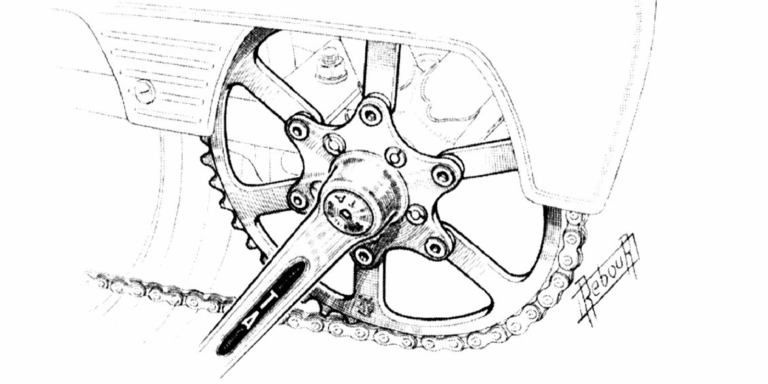
Bayliss-Wiley Co. Ltd. was a highly respected designer and manufacturer of bicycle components for nearly a full century, ahead of its time as inventor of the world's first cassette hub in 1938 and bespoke supplier to British cycling and automotive companies alike. This timeline traces its corporate lifecycle through motorcar production and changes of ownership to its 1969 fade into Renold Chains Ltd.

The full history of Cycles Peugeot: from a family steel foundry in Montbéliard to a record ten Tour de France titles and the lightweight PX-10 and PY-10 racers prized by collectors today. Along the way, a family divided between the bicycle and the automobile, a folding bicycle built for soldiers, and the checkerboard jersey that defined an era of French racing.

From a 19th-century grain mill to a record ten Tour de France victories, the story of Cycles Peugeot spans more than two centuries. This timeline charts the industrial milestones, technical innovations and racing triumphs that carried the Peugeot Lion from the steel foundry to the front of the peloton.

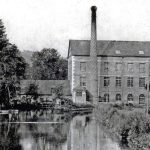
This feature article provides an unprecedented visual window into the industrial soul of the Idéale brand, presenting rare archival photographs of the F. Tron & Cie and Tron & Berthet facilities and the generations of artisans who defined them. The images trace the company's journey from its hydraulic roots at a former wool mill to the height of its mid-century power.

The history of Idéale is a century-long narrative of industrial perseverance and technical mastery that transformed a modest Parisian stamping workshop into the emblematic brand of the French saddle. Founded in 1890 by Jean-François Tron, this timeline traces its pursuit of extreme lightness through Duralumin and Titanium chassis and its racing pedigree under Marcel Berthet.

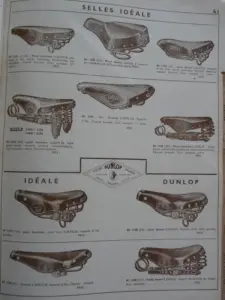
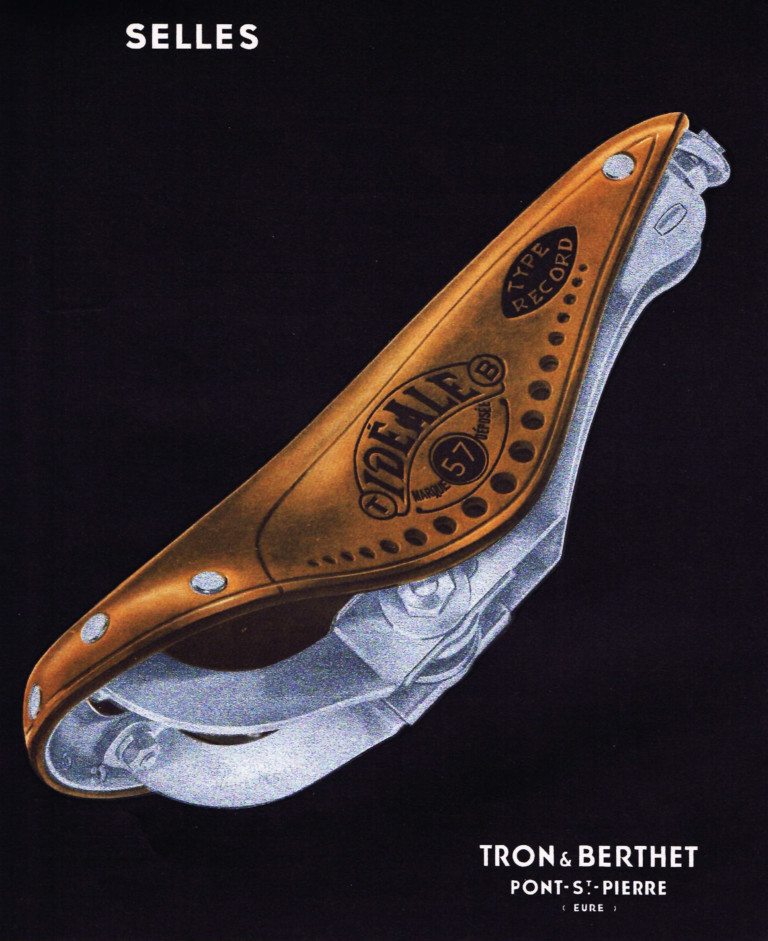
Idéale saddles remain among the least understood classic bicycle components given their standout prominence and frequent exorbitant value. This feature unpacks the dizzying array of models produced under the Idéale marque, 82 and counting, and the collapsing French cycling industry that nearly ended the brand before its recent revival.