Legnano History: A Timeline of Key Racing and Corporate Events
Legnano secured its place in the great tradition of Italian cycling, forged by racing greats Alfredo Binda, Gino Bartali and Fausto Coppi and by a corporate history flamboyant enough to include fascist political interference and outright murder. This timeline traces the marque from its 1902 origins to its twenty-first-century revival.
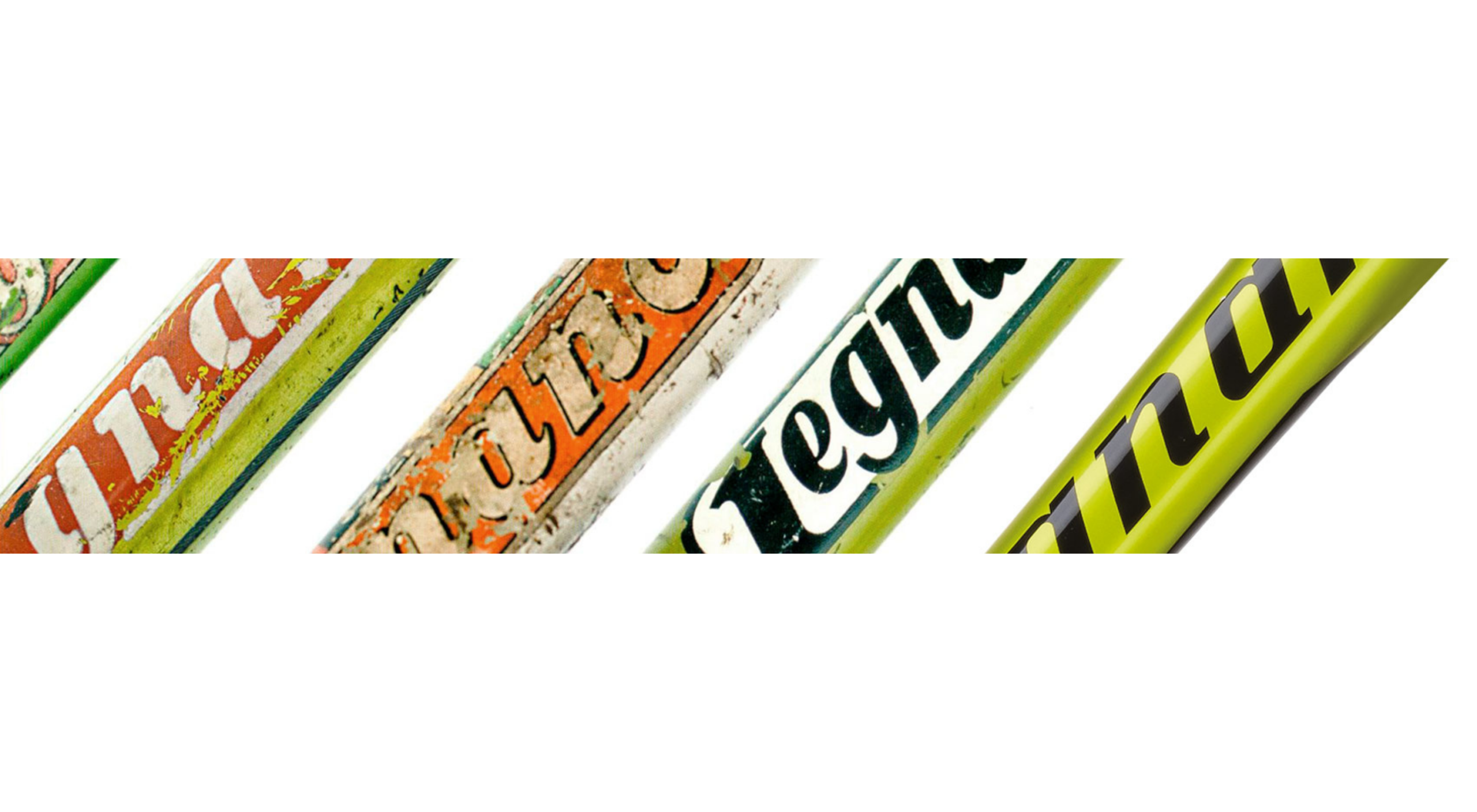
Legnano secured its rightful place in the great tradition of Italian cycling many decades ago, forged by racing greats Alfredo Binda, Gino Bartali and Fausto Coppi and by a corporate history flamboyant enough to include fascist political interference and outright murder. The lineage traces to 1902, when Vittorio Rossi & C. began producing bicycles under the short-lived “Lignon” name, absorbed in 1908 by the shrewd Emilio Bozzi, who chose the Legnano name itself in 1920 in honor of his hometown and adopted the sword-lifting warrior Alberto da Guissano as its emblem.
Here is a chronological timeline of key racing and corporate events at Legnano, spanning from the Battle of Legnano in 1176 to the brand’s twenty-first century revival, based on the sources used for an accompanying Ebykr article on its history, “Legnano Bicycles: A Colorful History in Words & Images.”
27 of 27 events
1176
Founding Legend
The Battle of Legnano, in which the Lombard League repelled the forces of Holy Roman Emperor Frederick Barbarossa, gave rise to the legend of the sword-lifting warrior Alberto da Guissano, who would later become the brand’s emblematic figure.
1894
Infrastructure Milestone
Franco Tosi owned and managed a large machine manufacturing plant in Legnano employing 650 workers, specializing in reciprocating steam engines that powered mechanical looms.
1896
Company Founding
The Frejus brand was established in Turin by Emmo Gelfi, decades before it would become part of the Bozzi stable of marques.
1898
Founder’s Death
On November 25, Franco Tosi was assassinated by an ex-employee in a classist rebuke, shortly after he had begun diversifying his machine works into bicycles and motorbikes using patents purchased from Wolseley.
1902
Company Founding
The Legnano brand’s corporate predecessor was founded as Vittorio Rossi & C., with a Lignon-branded machine reportedly winning the Val di Taro Cup road competition that same year.
1906
Production Milestone
Vittorio Rossi & C. began mass producing bicycles under the “Lignon” name.
1908
Acquisition
Emilio Bozzi established the Emilio Bozzi S.p.A. bicycle manufacturer at Corso Genova 9 in Milan and shortly afterward acquired Vittoria Rossi and its assets, folding prior Lignon models into his new house lines. The first original model under his own name was the “Aurora.”
1910–1914
Product Diversification
Using patents inherited from Franco Tosi‘s dealings with Wolseley, Bozzi’s company produced the Ciclomotore Wolsit (“moped Wolseley-Italia”).
1910–1938
Racing Sponsorship
The Wolsit brand sponsored an Italian professional cycling team, experiencing considerable commercial success across nearly three decades.
1920
Brand Identity
The Emilio Bozzi company selected the Legnano name for its leading bicycle brand, in honor of Bozzi’s hometown, and adopted the figure of Alberto da Guissano as its emblem.
1924
Racing Legend Signed
Following a fascist government order that Italian cyclists race only on Italian bicycles, Legnano Directeur Sportif Eberardo Pavesi signed a young Alfredo Binda to a team contract after Binda impressed by riding from Nice to Milan and finishing fourth at the Giro di Lombardia.
1925
Grand Tour Victory
Alfredo Binda won his first Giro d’Italia for Legnano, the season immediately following his signing.
1927
Corporate Reorganization
Franco Tosi (believed to be the son or grandson of the assassinated industrialist) left Wolsit, leaving Emilio Bozzi as sole owner of the company. Binda also won his second Giro d’Italia for Legnano that year.
1928–1929
Grand Tour Victory
Alfredo Binda won consecutive Giro d’Italia titles for Legnano.
1932
Patent Milestone
Rights to the Wolseley-derived patents behind the Ciclomotore Wolsit were sold to NSU Motorenwerke AG.
1933
Grand Tour Victory
Alfredo Binda won his fifth and final Giro d’Italia, also capturing the event’s inaugural “King of the Mountains” competition, a five-win record unmatched until Fausto Coppi and later Eddy Merckx equaled it.
1936
Founder’s Death
Emilio Bozzi died of a heart attack in Milan on September 21, the city of his birth.
1942
Racing Victory
On December 7, Fausto Coppi set the World Hour Record riding a Legnano bicycle, covering 45.848 km.
1948
Acquisition
The Frejus brand was acquired by Bozzi’s company, joining Aurora and Wolsit as a Legnano sister brand.
c. 1950
Market Dominance
Emilio Bozzi S.p.A. published a massive 325-page parts catalog covering nearly every bicycle component manufactured in Italy, around the time the company’s fortunes began to plateau.
1956
Racing Victory
On September 9, Ercole Baldini set a new World Hour Record of 46.394 km riding a purpose-built Legnano bicycle with a claimed weight of just 6.7 kg (14.8 lbs).
1963
Production Peak
The company opened a new 22,000 square meter manufacturing site with 10,000 square meters of warehouse space along the Strada Statale 527, replacing the historic Via XX Settembre site. Annual production looks to have peaked around this era at roughly 150,000 bicycles across 80 models and 20,000 motorcycles, sold across 62 countries.
1987
Strategic Pivot
Bozzi‘s heirs licensed the Legnano brand to long-time rival Bianchi, with Legnano allowed to retain a semi-autonomous identity while marketing lower-range bicycles.
1997
Corporate Liquidation
Both the Bianchi and Legnano brands were acquired by the multinational Cycleurope group, itself part of the Grimaldi Industri Group. Cycleurope chose to maintain the Bianchi brand at the expense of Legnano, which was relegated to low-level economic production.
c. 2008–2010
Corporate Reorganization
Following a lengthy legal challenge that culminated in 2008 (or 2010 by some accounts), an Italian court awarded the rights to the Legnano brand back to the heirs of Emilio Bozzi, who relaunched it with a range of city, mountain and road bicycles.
2012
Strategic Pivot
The Bozzi family licensed the renewed Legnano brand to Cicli Esperia S.p.A., which already owned the Torpado and Fondriest cycling brands.
2013
Brand Storytelling
New Legnano models under the Cicli Esperia license were introduced in September at ExpoBici, though the launch drew relatively little fanfare.
Join the Legnano Heritage Discussion!
Discuss the ‘Lizard Yellow’ legacy and the unique seat-bolt clusters of the Roma Olympiad. Join our community to share photos and verify original Legnano component specifications.

 Legnano