About Ebykr
Ebykr celebrates classic and vintage lightweight bicycles through provocative imagery and opinion. Ride along with us.
About Ebykr
Ebykr celebrates classic and vintage lightweight bicycles through provocative imagery and opinion. Ride along with us.

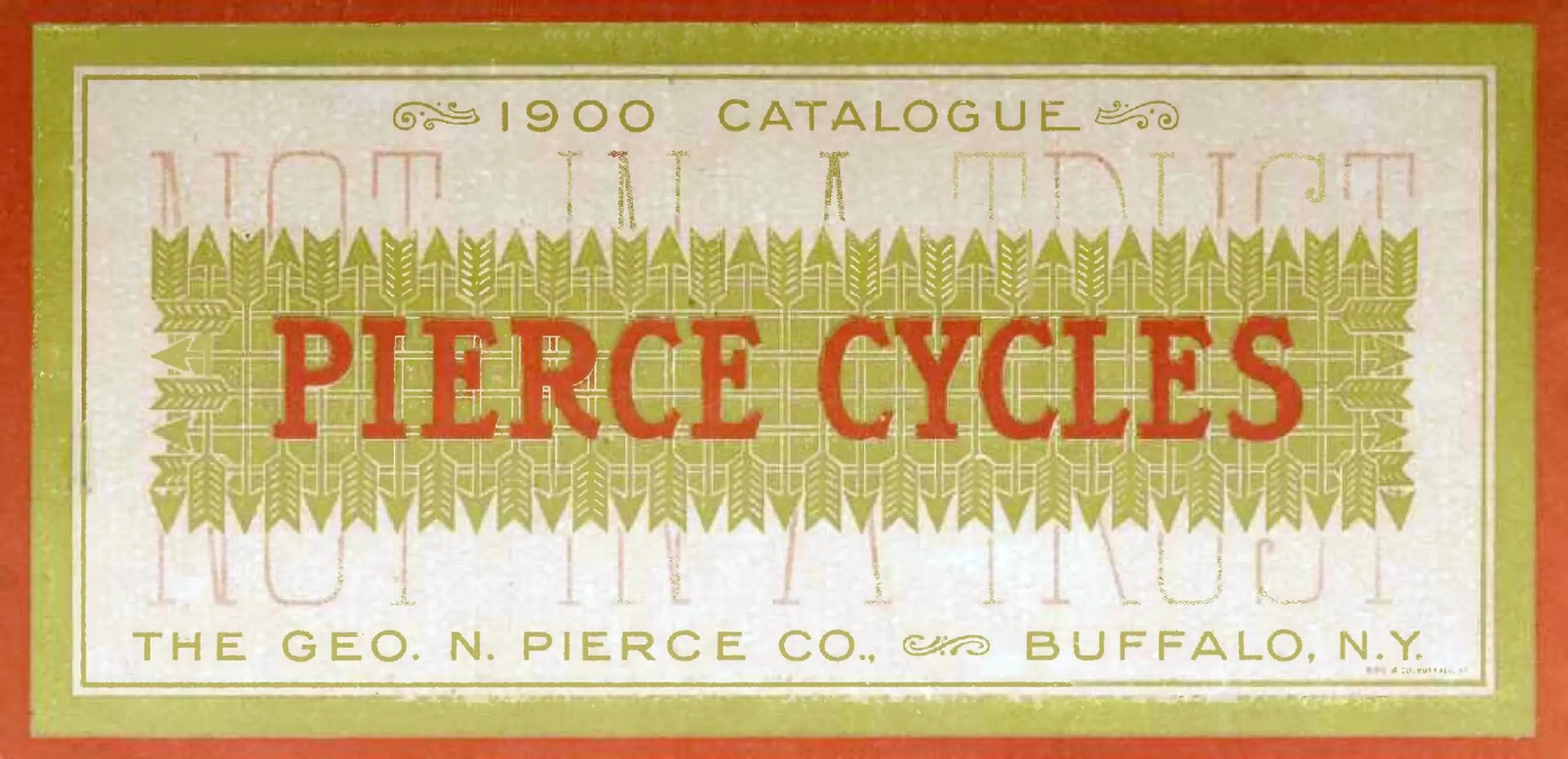
George N. Pierce built birdcages, then tricycles, then some of the finest bicycles of the 1890s — chainless, shaft-driven machines that chased a dream the industry is still chasing today.

While the bicycles most of us are familiar with today rely on chains as the centerpiece of their drivetrain, there is always someone who thinks there must be a better way to make our beloved two-wheeled machines go. (Note the naming story behind Spécialités TA, for example.) While many innovators try building a better mousetrap, so to speak, few are true originals and even fewer approach what any of us would consider success. Enter the late George Norman Pierce, builder of wonderful things. And mundane things, too, made wonderfully.
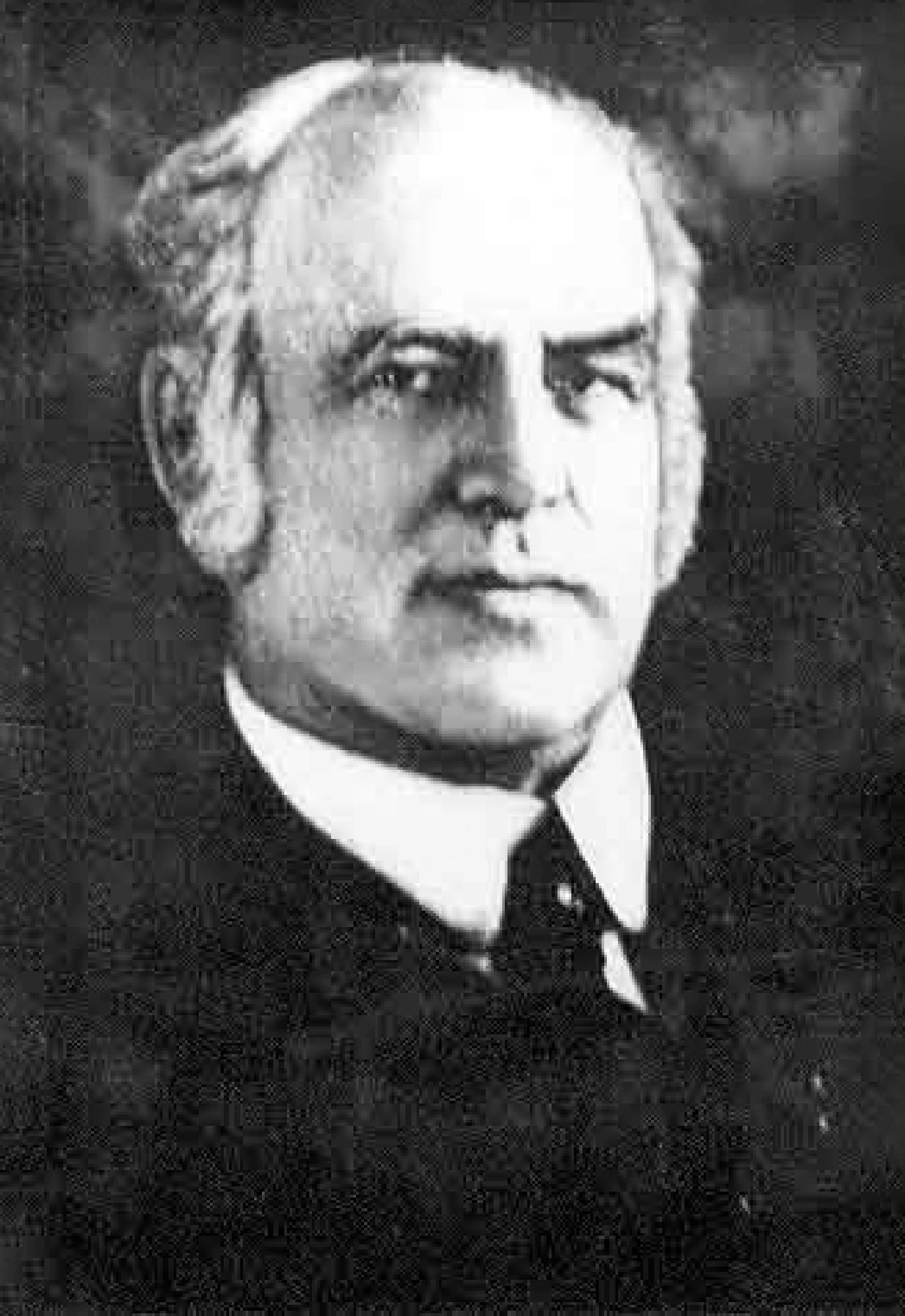
In 1863, a 17 year old Mr. Pierce picked up his life in Friendsville, Pennsylvania and headed to Buffalo, New York in search of opportunity. After settling down and putting a few years’ work under his belt, Pierce formed a household goods manufacturing business. Charles Heinz, George Pierce and George Munschauer successfully produced a variety of items together, ranging from ornate bathtubs to gilded birdcages to insulated iceboxes to fancy pull wagons. Something for everyone, as they say. (I’m looking at you, Bridgestone Eurasia!)
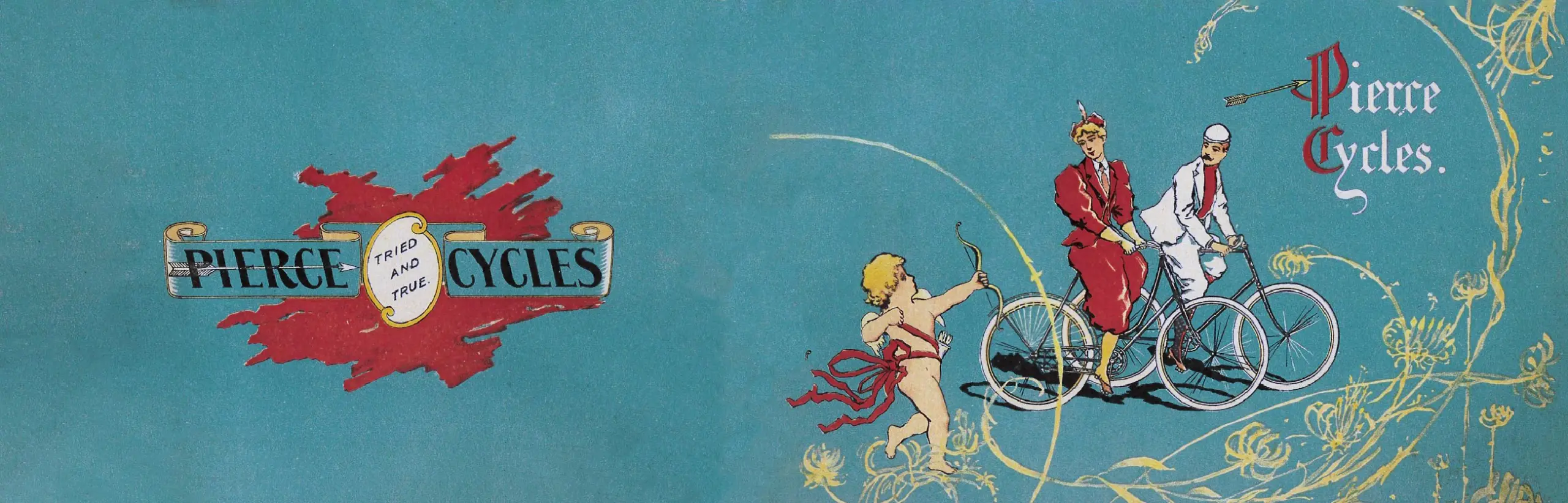
Time would tell this formative experience offered Pierce the first of many valuable lessons in industrial manufacturing and market segmentation. So attuned was he that — had his greatest innovation been better received by a fickle buying public (and perhaps been given a bit longer to evolve) — we might not even recognize the modern bicycle as it is still known and celebrated today. Allow me to explain, one turn of the crank at a time, with nary a concern for chain maintenance or greasy pant legs…
George N. Pierce & Co. was established in 1878 (it would be incorporated as The George N. Pierce Company in 1896) when Pierce went his own way and decided to compete with his former partners. Within 10 years of forming the new company, Pierce expanded his product lineup of mostly housewares to include a series of children’s tricycles targeted at the lowest end of the nascent recreational transportation market. The Pierce three-wheelers he built for children ages 3-15 were an immediate hit in this new and red-hot market.
A year later, riding on the resounding success of his tricycles, Pierce added bicycles to his range of offerings. Although bicycles of this era were very different from the carbon fiber, 24-plus speed demons that manufacturers are pumping out today, the rate of technological change occurring then was every bit as revolutionary as today’s trend toward composites and additional gears (mostly within the same range, though).
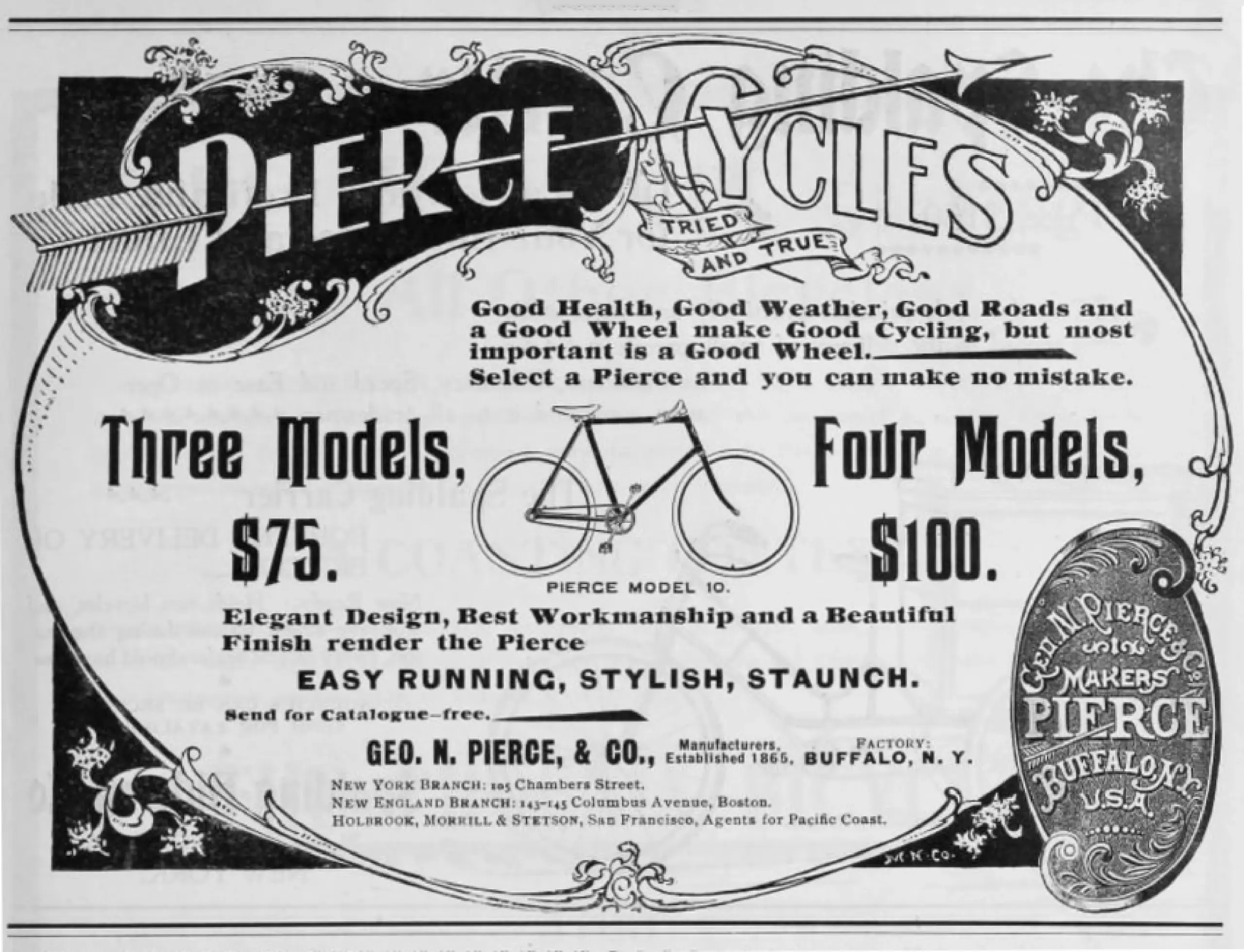
The first bicycles Pierce released, around 1889, were sold as the Queen City, and by the 1893 season they were available not just as hard-tired or cushion-tired models, but also with the groundbreaking invention of 1888, the pneumatic tire. The Pierce name itself went on a new high-grade line for the 1895 season. The air-filled tire, invented by John Boyd Dunlop, was his attempt to smooth out his young son’s rides over Belfast’s infamously rugged cobblestone streets. Legend holds the first examples of Dunlop’s tires were fashioned from rounds of inflated garden hose. The so-called “safety bicycles” offered by George N. Pierce & Co. during this time featured two same-sized wheels. The social implications resulting from these developments have proven enormous in the subsequent century-plus.
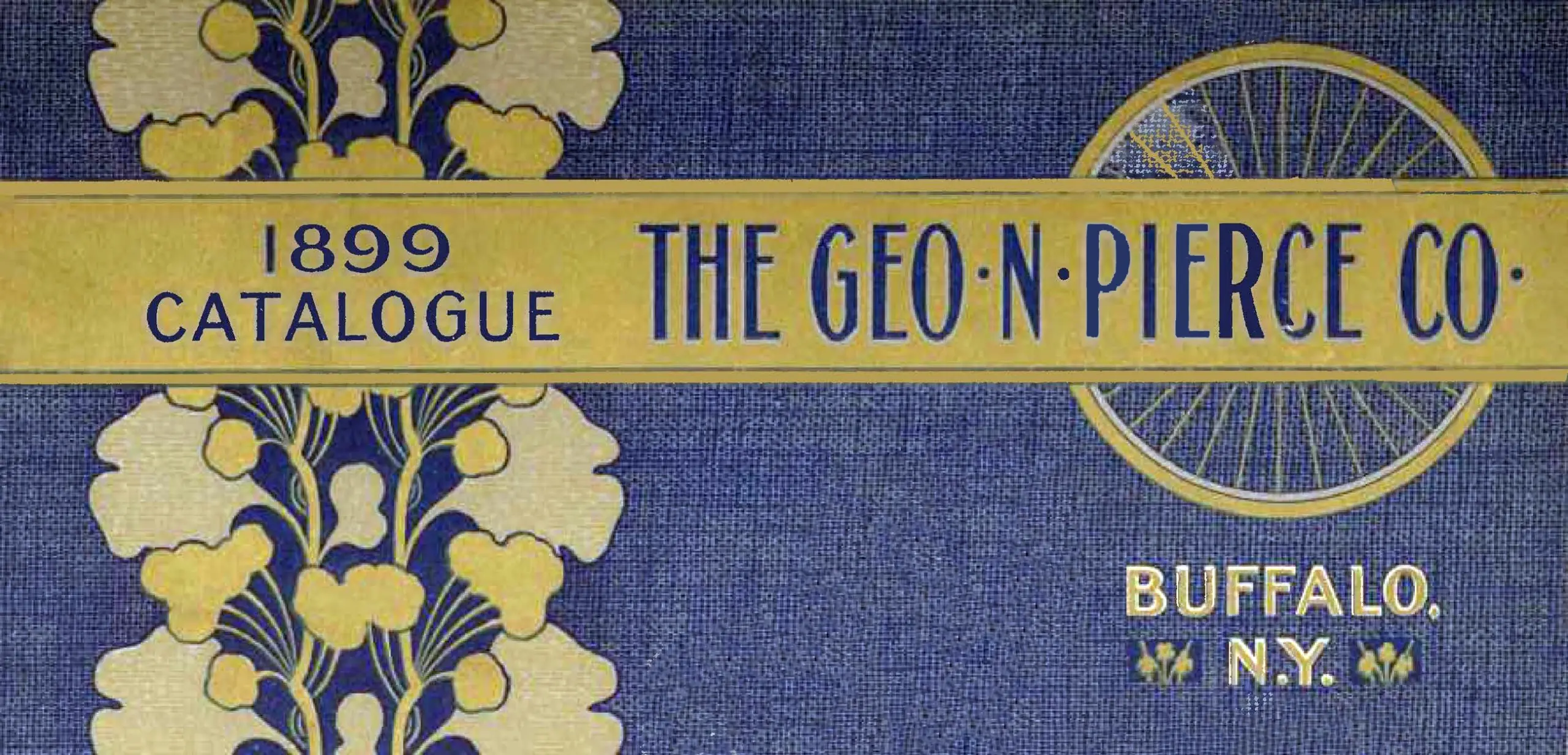
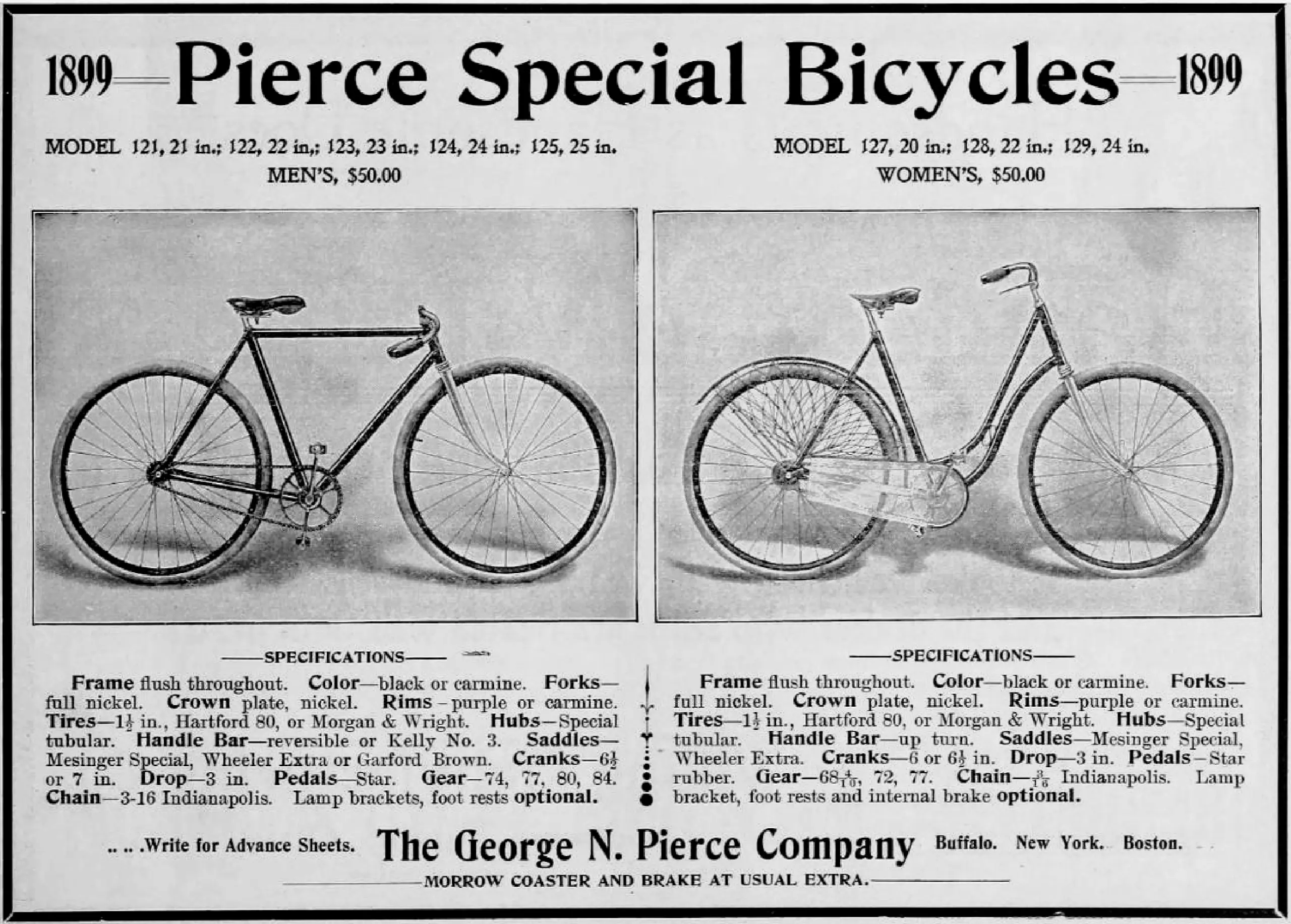
The predecessors of these “safety” bicycles were high-wheeled machines. Although such machines offered great sport and enjoyment for men, women in the long skirts and bustles of the day found them virtually impossible to ride. Women were thusly relegated to tricycles that were slower and more cumbersome, yet accommodating to the figure-covering fashions they popularly wore. Transportation and accompaniment of the woman was still a man’s duty and responsibility. Women were tradition-bound to being escorted by their male companions while men were free to hop on their bikes and ride.
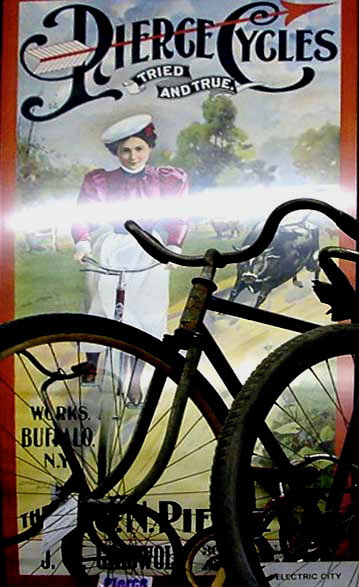
The safety bicycle, a universally useful vehicle for commuting and recreation, inspired a generation of women to shed their overwhelmingly bulky garb in favor of clothing allowing them to participate in the freedom of cycling. Victorian corsets and bustles were removed quickly as bike-friendly bloomers allowed women to straddle bicycles and finally ride themselves. In the words of women’s rights advocate Susan B. Anthony, the bicycle was an innovation that did “more to emancipate women than anything else in the world.”
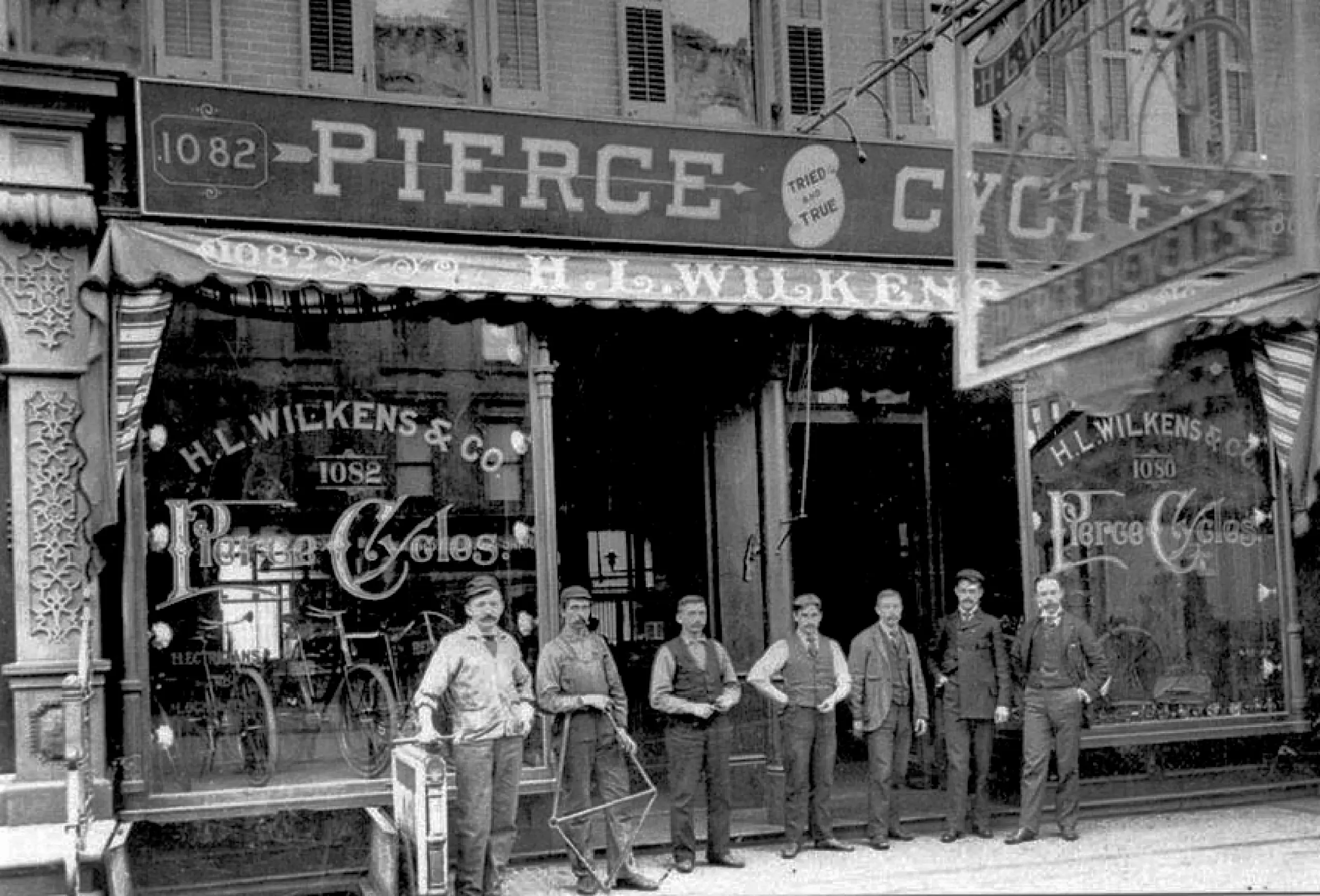
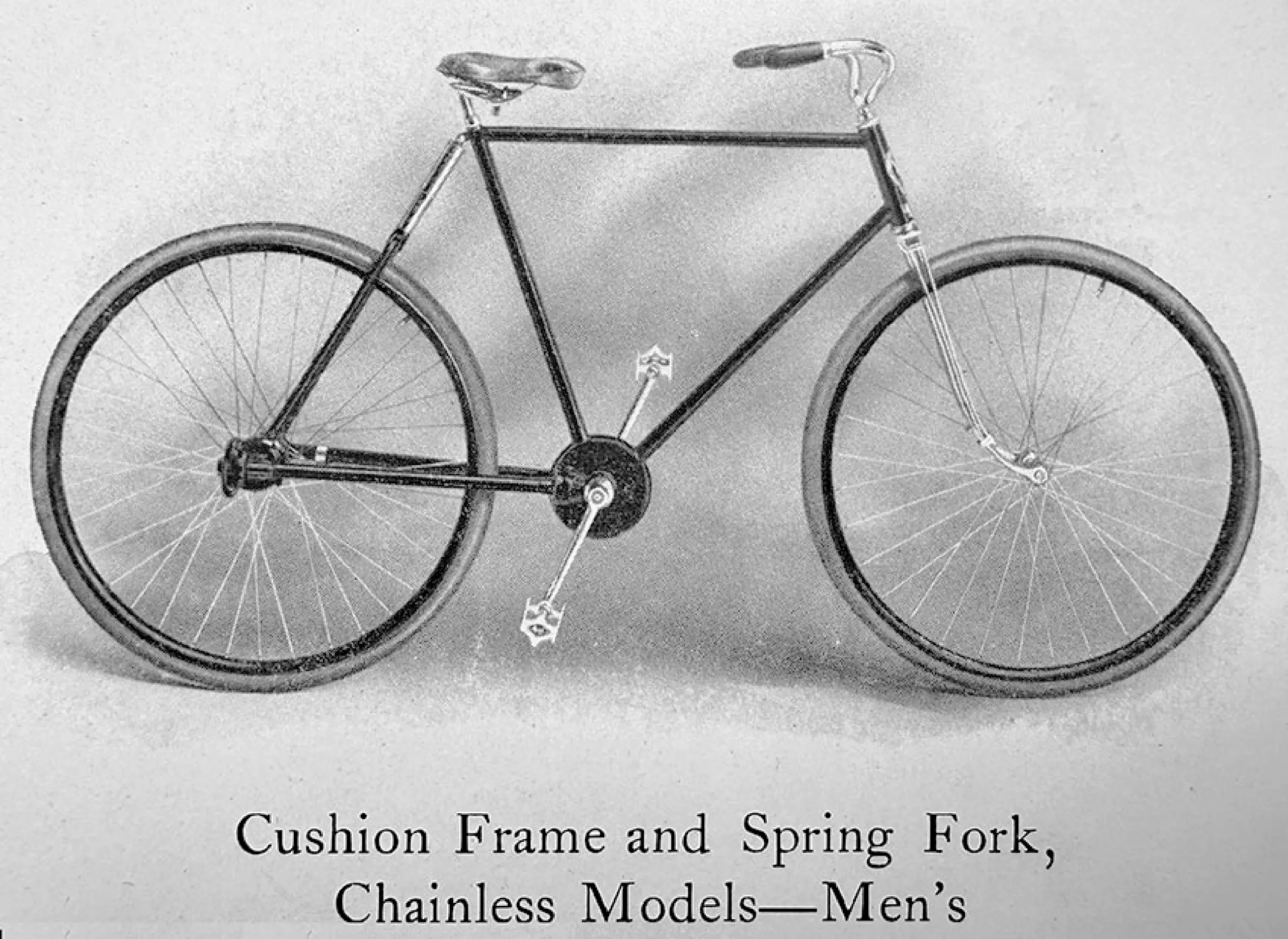
The chain-driven bicycle was still a reasonably new invention, but George Pierce quickly recognized it had room for improvement, especially given the widening audiences bicycles were now attracting. Although chain drives afforded the efficient transfer of human power to bicycle wheel, they were dirty contraptions that took a heavy toll on the commuting public’s pant legs. This led Pierce to fit his bicycles with a new type of chainless system — the shaft drive. In the first years of the 20th century, the Pierce Hygienic Cushion Frame bicycle with shaft drive, pneumatic tires and, from 1902, a spring fork was the crème de la crème of bicycles now catering to a market with increasingly sophisticated (and upscale) sensibilities.
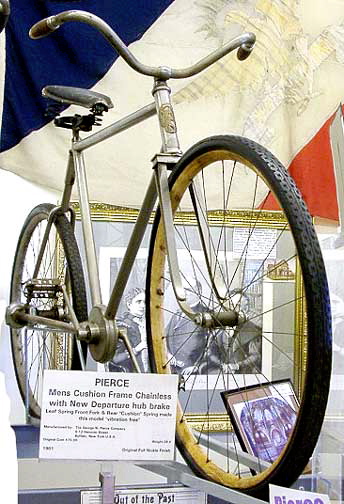
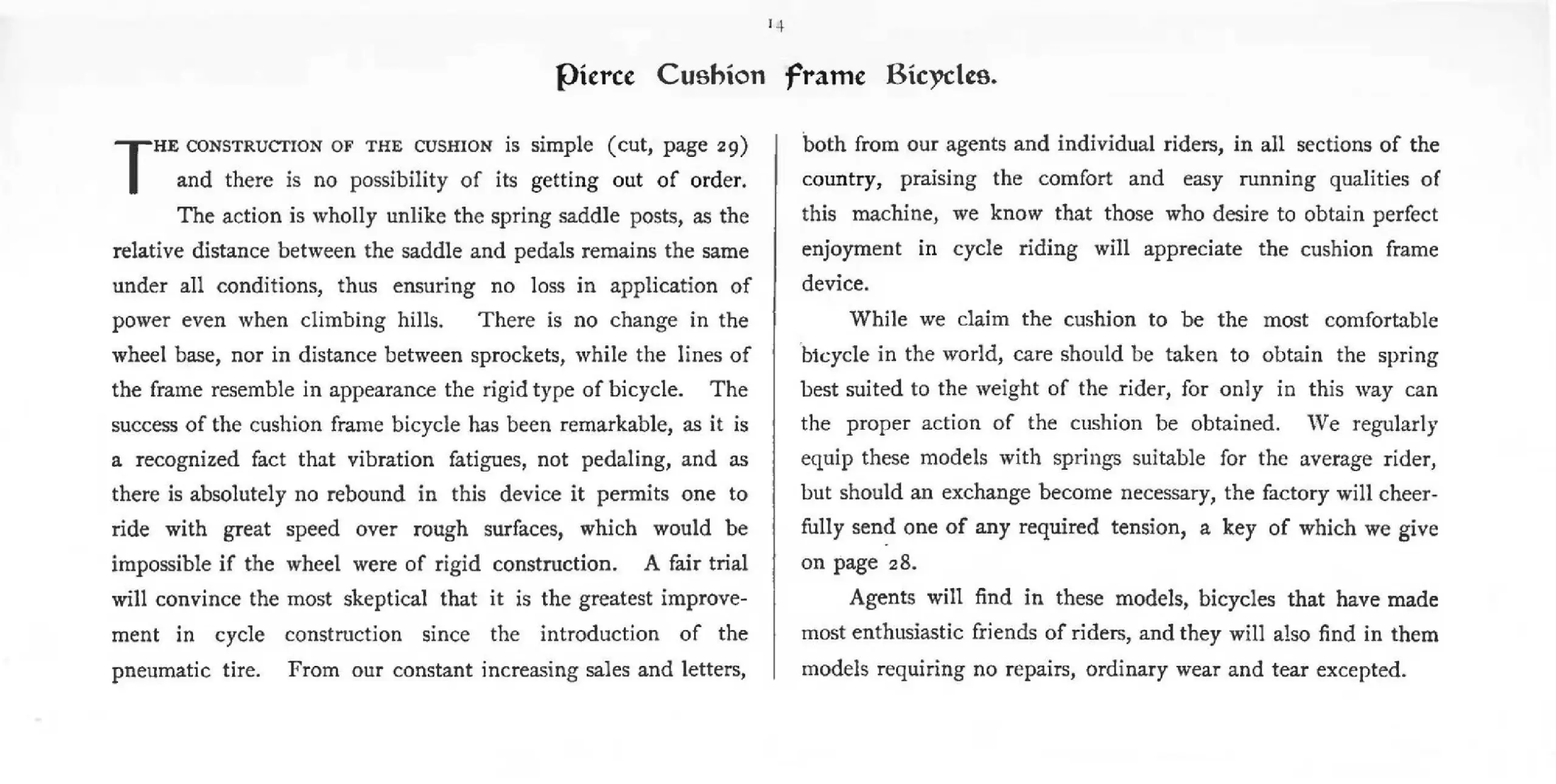
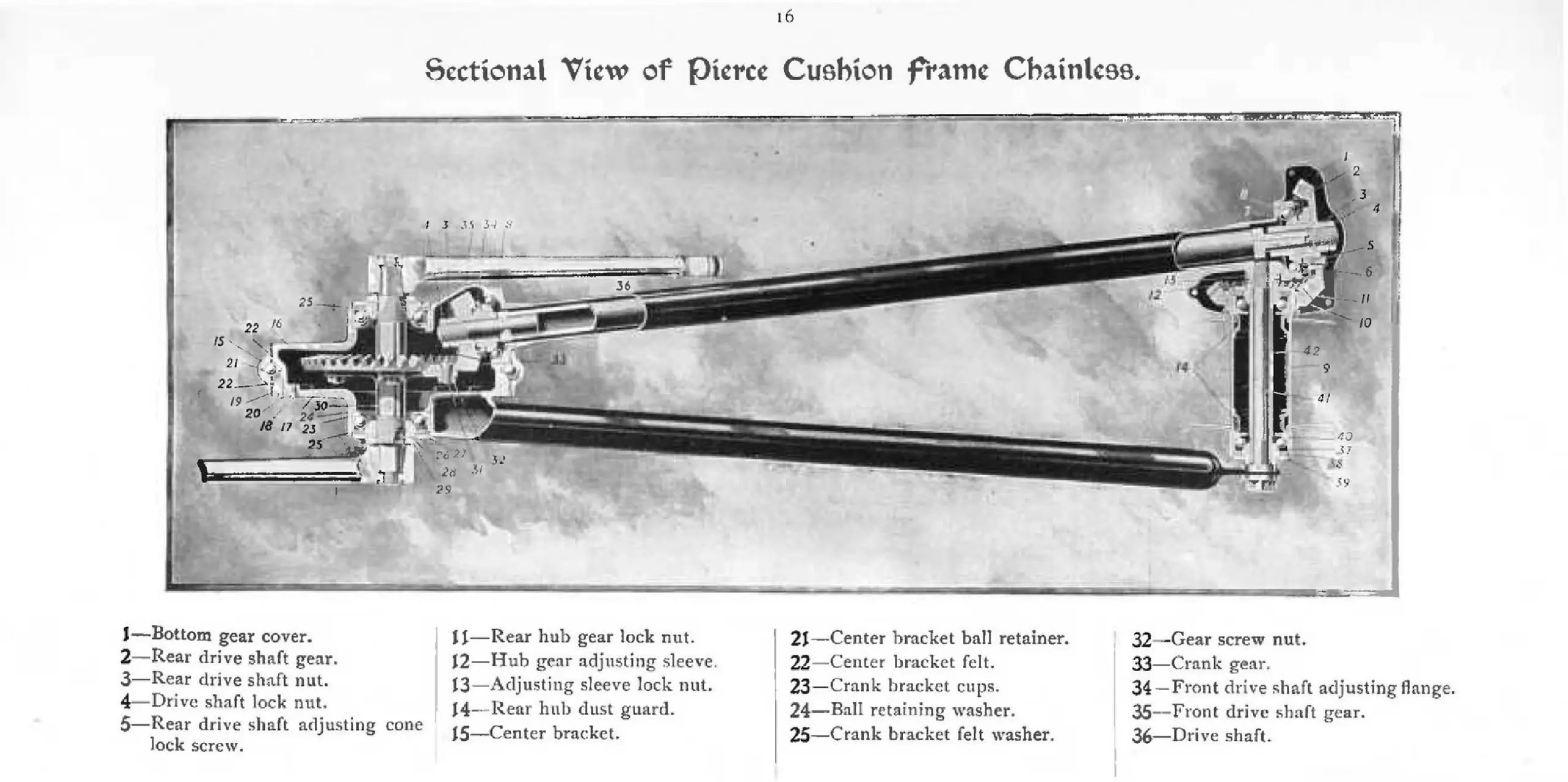
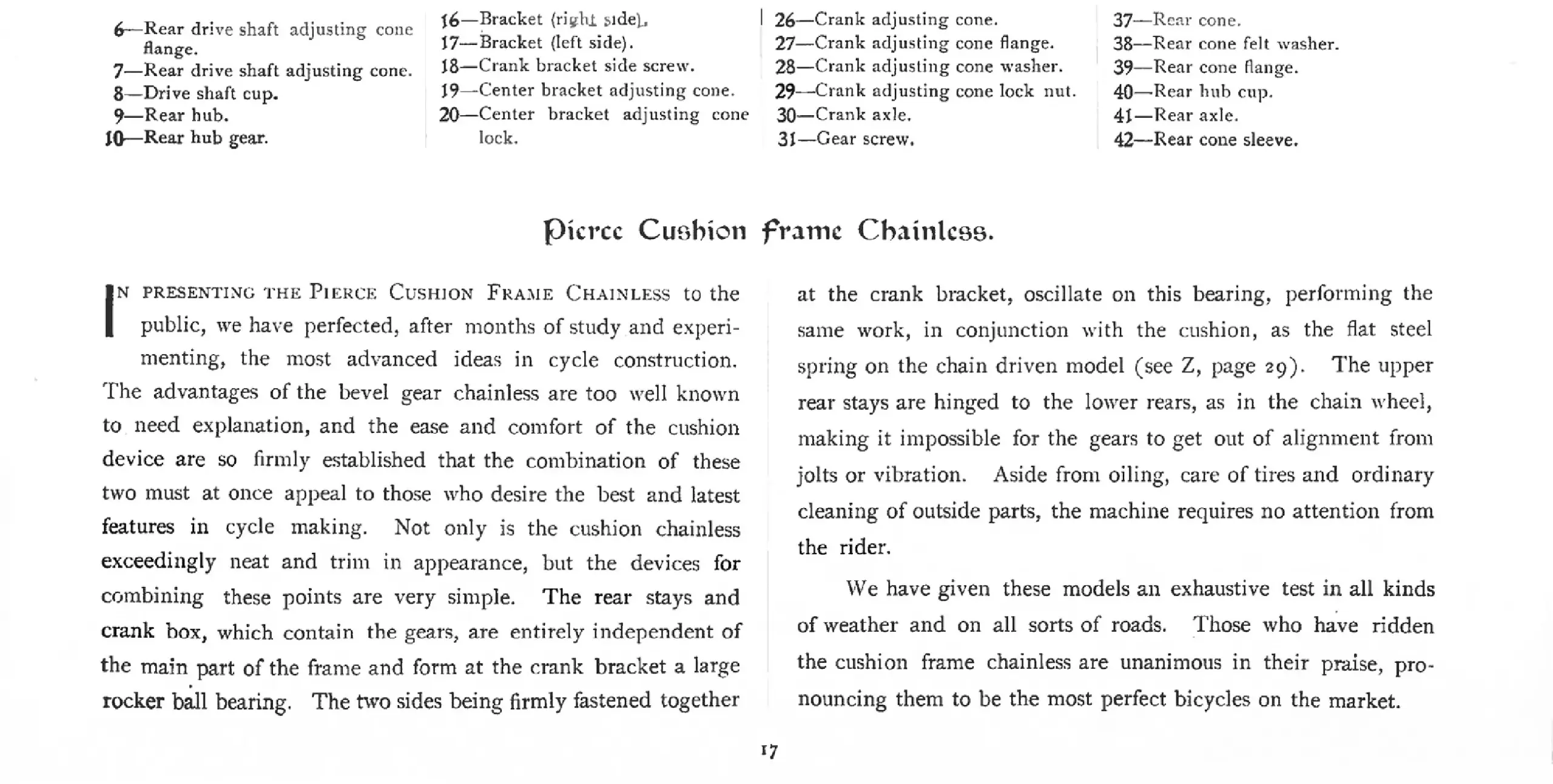
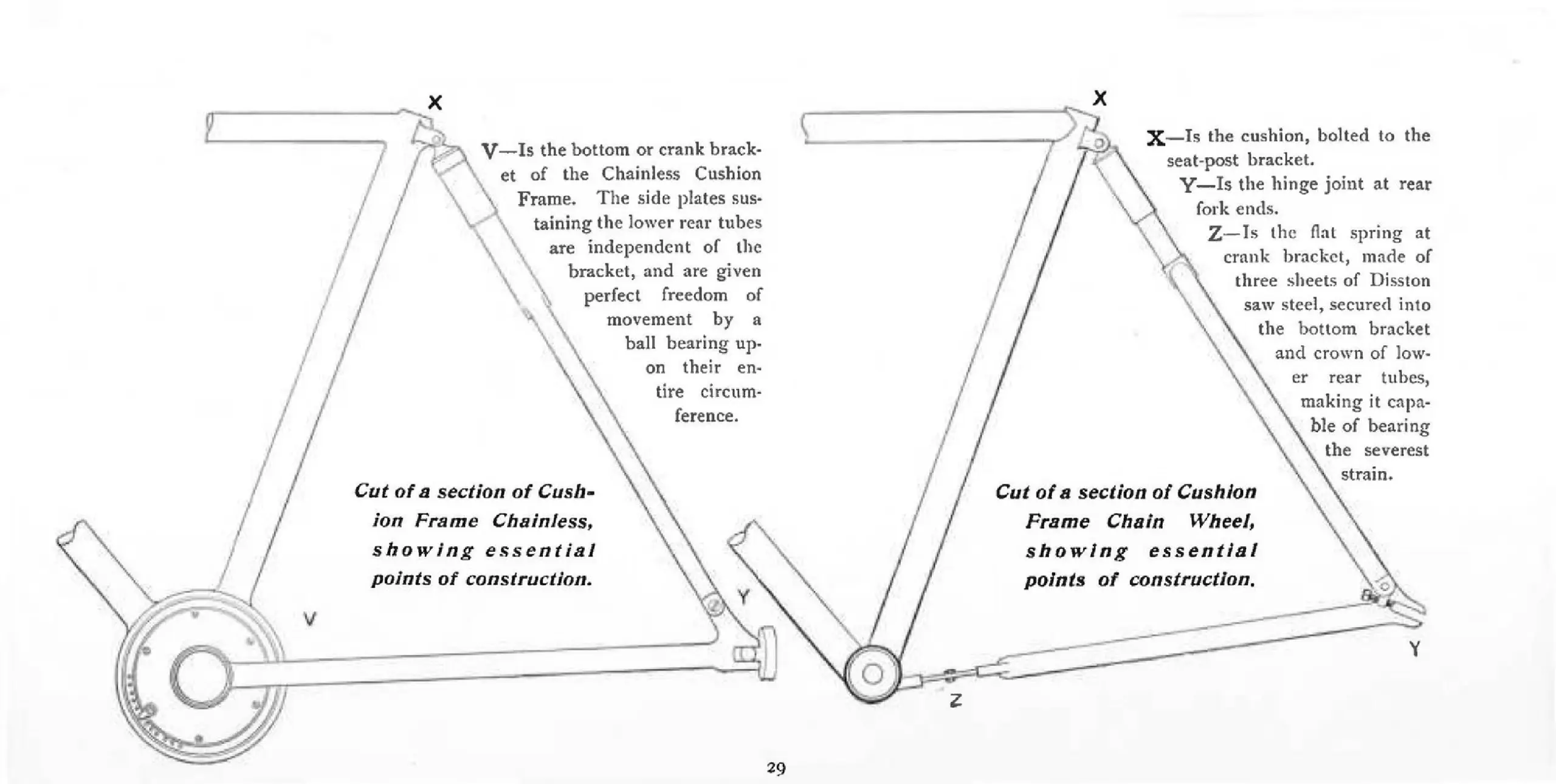
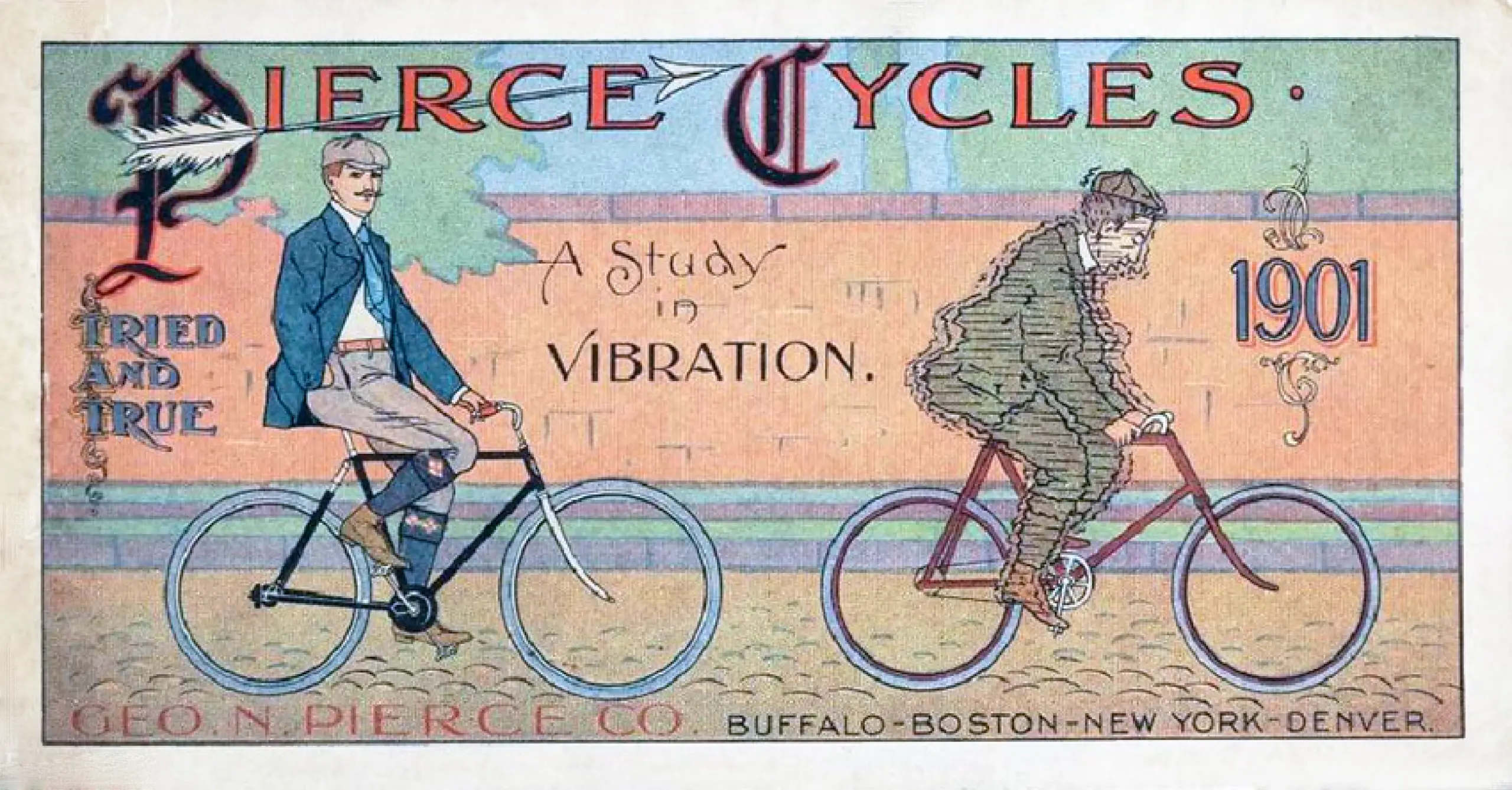
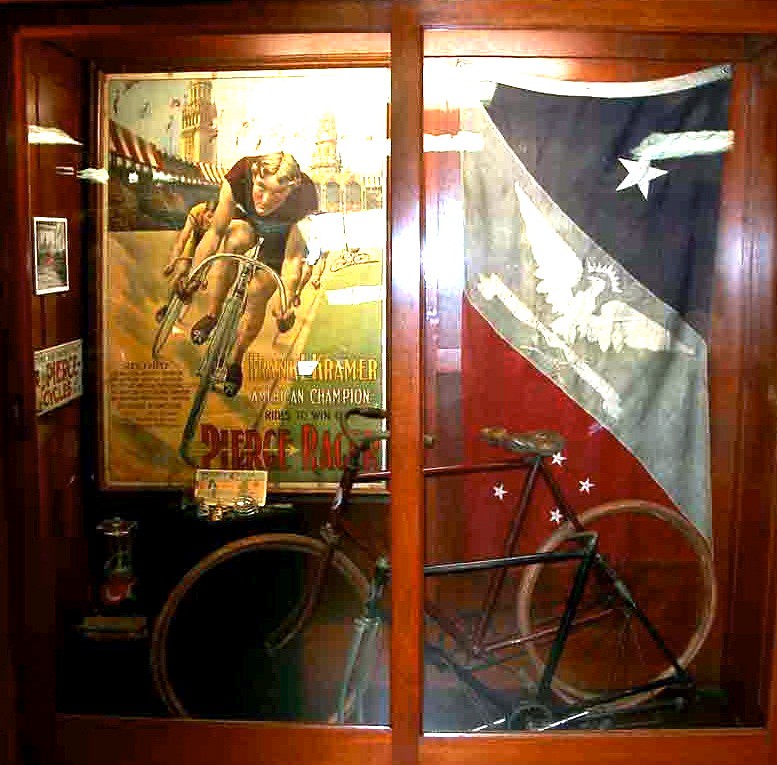
The chainless drive was never a budget novelty for Pierce, but rather a top of the line offering. In the company’s own catalog, the Cushion Frame Chainless stood at the head of the range at $80.00. This was above the Pierce-Kramer Special Racer, named for Frank L. Kramer, the American professional champion, and well above the $40.00 roadsters beneath it. Its distinction was mechanical as much as it was clean: the rear stays and the gear box formed a single unit that pivoted on a large rocker bearing at the crank bracket, oscillating with the sprung cushion frame so that a jolt could never throw the bevel gears out of line. Married to a spring fork and low gear, Pierce advertised the resulting system as producing the most comfortable bicycle on earth. The company built it with the same open-hearth brazing, four hand-rubbed coats of enamel and thousandth-of-an-inch bearing fits that carried the boast every rival envied — “GOOD AS A PIERCE.”
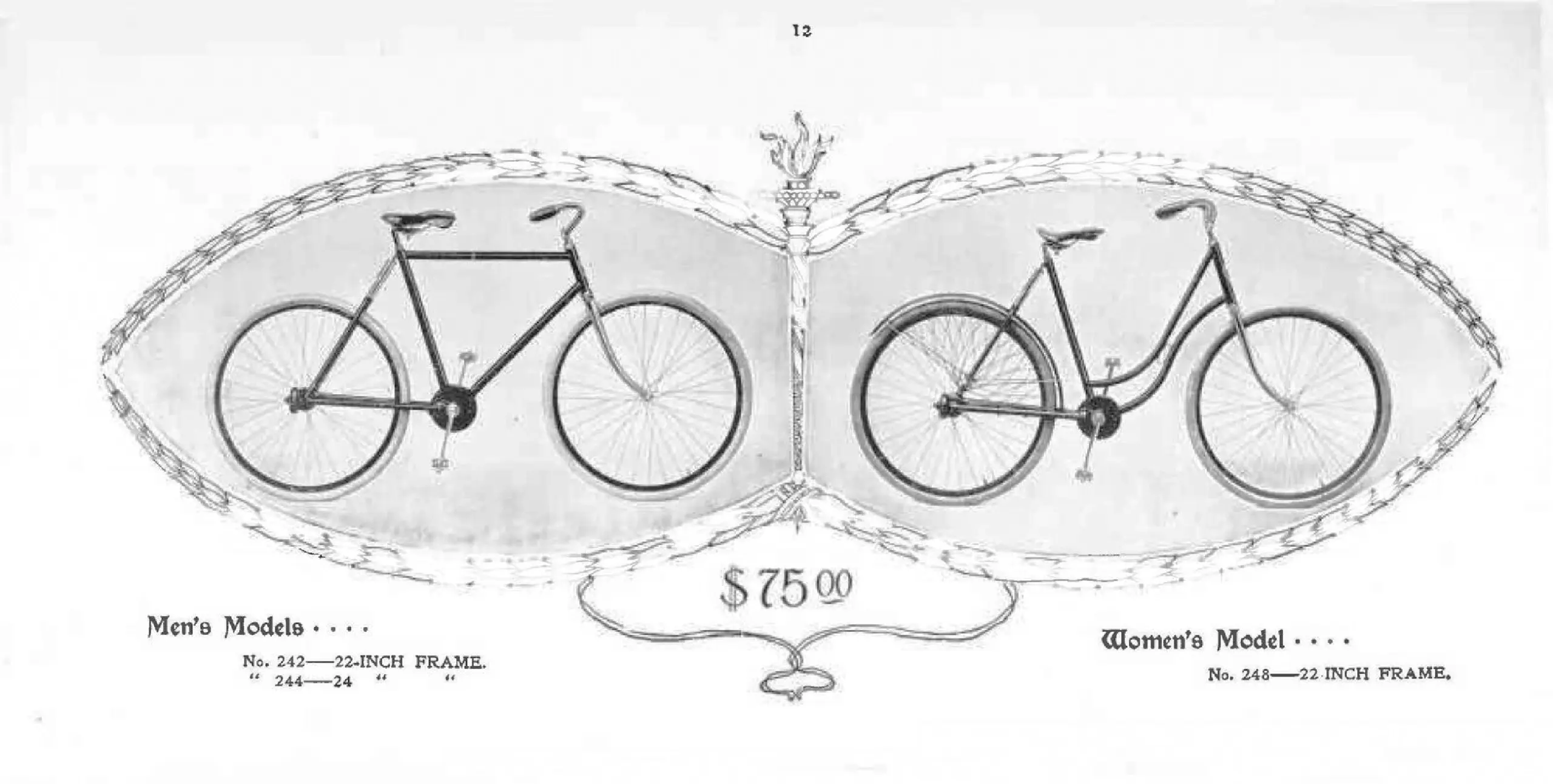
In 1901, Pierce introduced the gas-powered “Motorette” at that year’s Pan-American Exposition. Although the automobiles attracted plenty of attention, Pierce was also well represented by bicycles, including the Exposition’s police force putting them to good use.
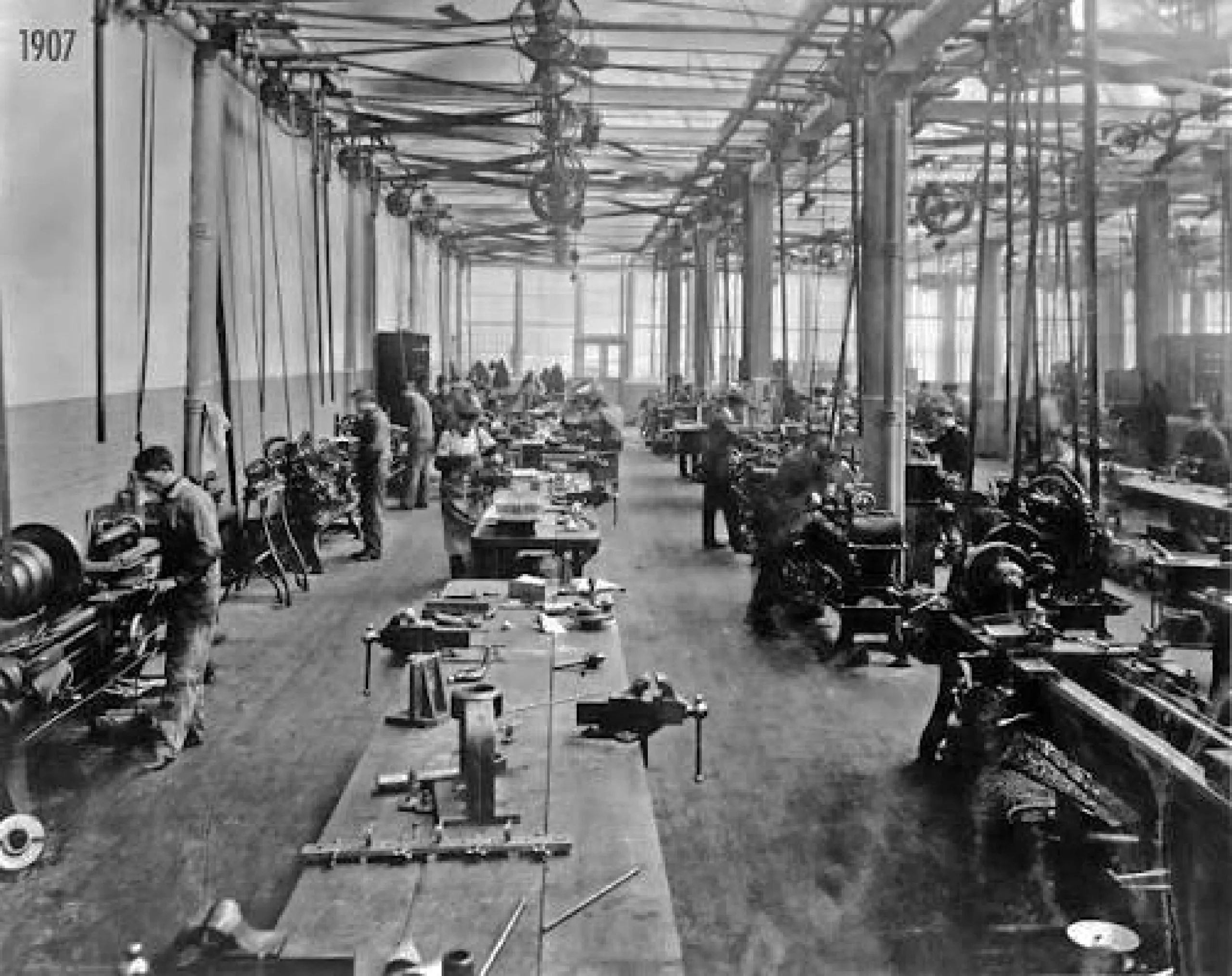
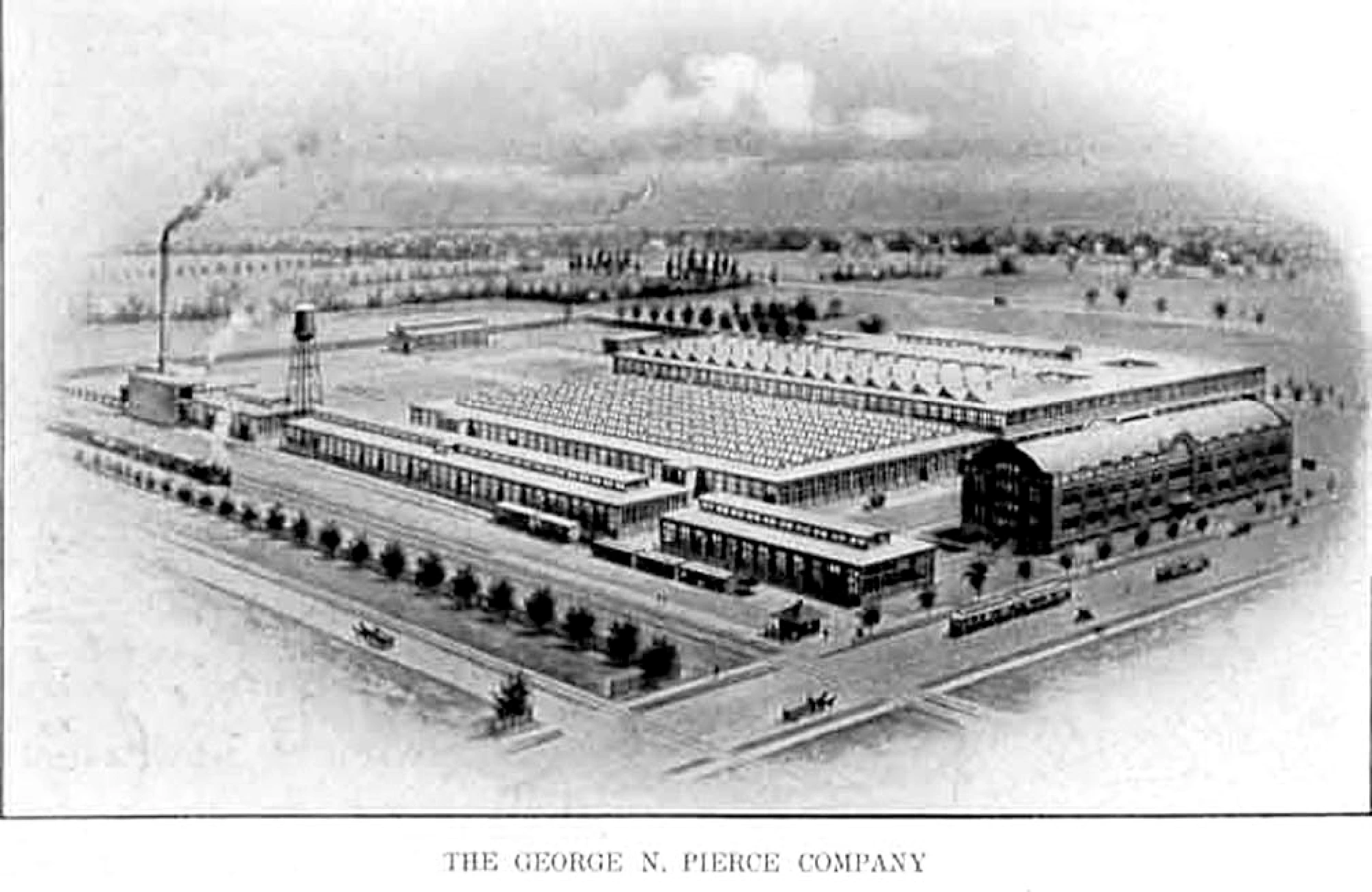
Once Pierce showed the Motorette to intrigued bicycle dealers, the company realized enormous production growth, and in 1906 the automobile work left the Hanover Street production facilities for a newly built, 15-acre production plant on Elmwood Avenue at Great Arrow in Buffalo. The bicycles stayed behind on Hanover Street.
In 1908, the Pierce-Arrow Motor Car Company was hatched. Although the company was poised to make among the finest vehicles of the time, George N. Pierce had already jumped ship, selling his family interest in the business in 1907. Carl F. Burgwardt, longtime proprietor of the Pedaling History Bicycle Museum near Buffalo, offered the following statement to help explain Pierce’s action:
“George Pierce was probably more of a bicycle person than an automobile person. While he was the founder and principal officer in his bicycle business for more than 20 years, he was only in the automobile business for eight. By the time the automobiles were being produced in his bicycle plant, although he was still president of the company, other major stockholders were those most involved with the automobile.”
It is interesting to note although “Pierce-Arrow” is the common brand by which all products of the company are known, the bicycles were made first by George N. Pierce & Co., then by The George N. Pierce Company and, from September 1906, by the separately incorporated Pierce Cycle Company, so strictly there was never a Pierce-Arrow bicycle. The name stuck all the same, and not only by accident. Early Pierce bicycles exhibited an arrow-shaped logo on their headtube badges; the Pierce Cycle Company itself sold a $25 “Arrow Cycle” in 1907 and wrote of its “Pierce Arrow trademark” in 1912; and dealers and newspapers were calling the bicycles Pierce-Arrows by the 1910s.
Three years after leaving his namesake company, George N. Pierce succumbed to a heart attack. Although his retirement was short, the legacies Pierce left in the bicycle and automobile industries were substantial. Products produced by Pierce and subsequently Pierce-Arrow were known for their quality and design. Nonetheless the shaft-drive system championed by the Pierce Cycle Company never gained widespread adoption. It limited riders to a few gears within a narrow range of ratios and made for an unreasonably heavy drivetrain.
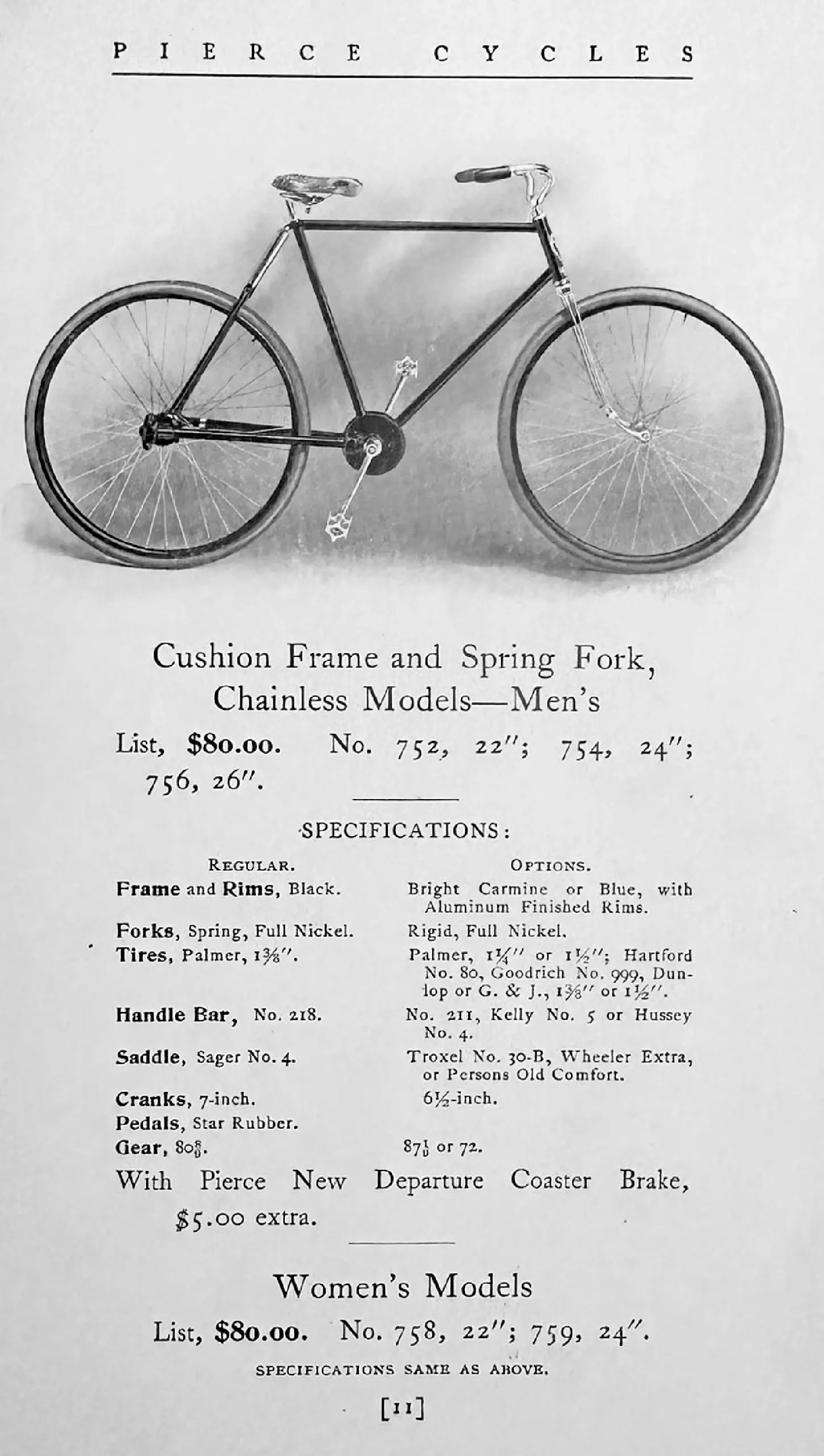
Pierce built for the whole spread of riders, and the range says as much about the marque as the chainless model does. At the sporting end stood the Pierce-Kramer Special Racer, a stripped machine of the best high-carbon tubing, built in a single 21-inch size and weighing barely 20 pounds on its silk tires. It carried the name of Frank L. Kramer, the American professional champion for 15 years and holder of a string of world titles, who had helped shape its lines and rode an exact duplicate in competition. Pierce was direct about its purpose: this was, in the company’s own words, a bicycle for racing purposes only.
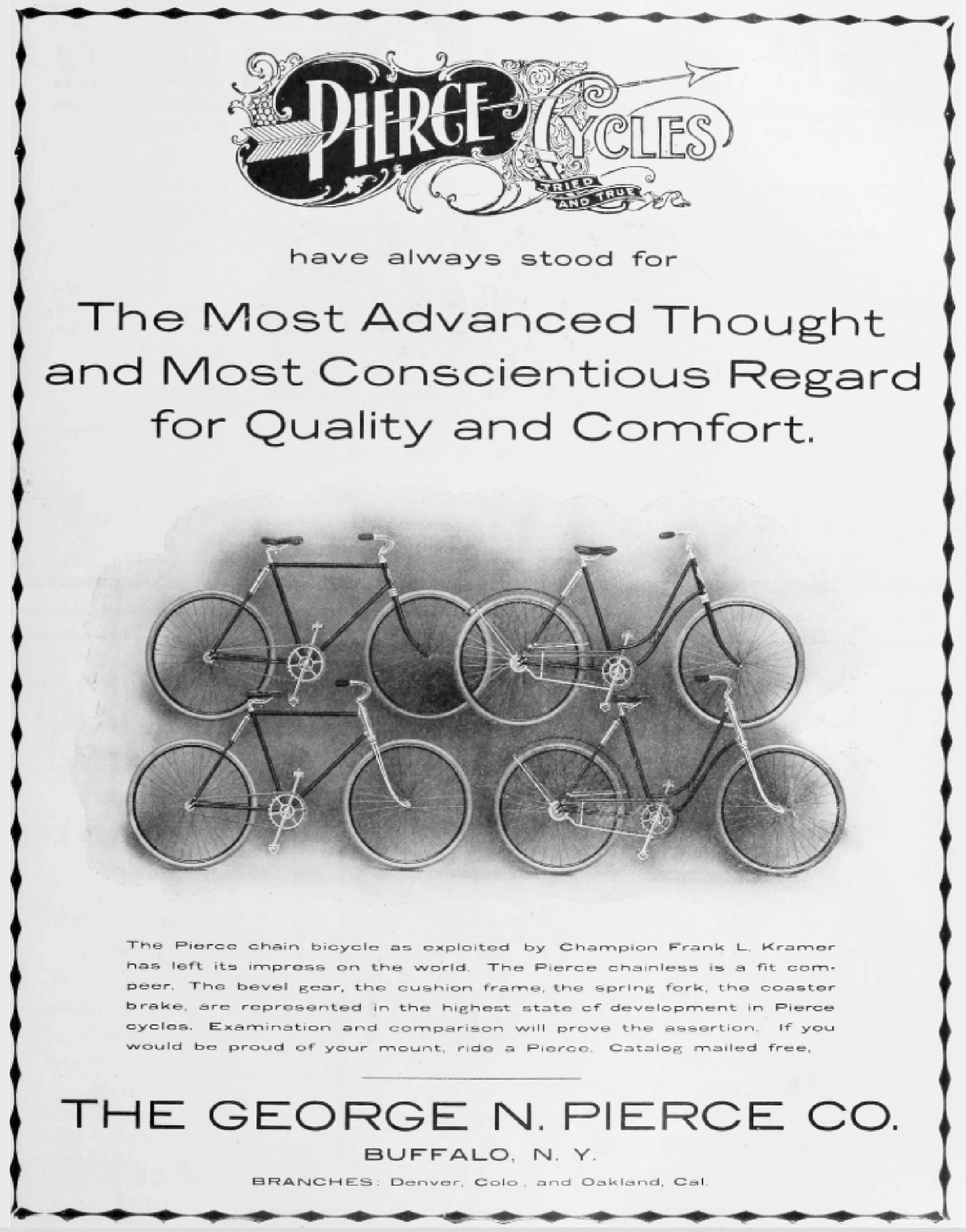
At the other end of the range were the workaday machines, the one-piece and two-piece hanger roadsters a family bought to ride to work or church, and between the extremes sat one model that spoke to Pierce’s reputation for strength. The Arch Truss, or Police Model, braced with an extra tube arching just below the top tube, was accepted by the New York Police Department, a service with little patience for a frame that might fail under hard daily use. From the champion’s featherweight to the constable’s roadster, the same open-hearth joints and piano-polish enamel ran through every frameset that left Hanover Street.
Pierce’s limited success with the chainless bicycle has not stopped others from chasing the dream of a cleaner drivetrain. Well over a century later, shaft-driven city bikes remain in production around the world, and the 2000s saw a fresh wave of American optimism. Massachusetts-based Dynamic Bicycles promised at the time that its shaft-drive system…
“Eliminates the number one complaint people have always had about their bikes — the chains and derailleurs. With our shaft drive bikes, there is no more grease; no more mess; no more cuts on fingers or tears in clothes; and no more chain and derailleur maintenance. Just pure, worry-free riding fun.”
To anyone who has spent hours elbow-deep in chain lube, degreaser and bearing (er, cassette) brushes after a tiring ride, it certainly sounds like a dream worth chasing. Dynamic has since gone the way of the Motorette and the reasons echo across 125 years of bicycle evolution. Indeed, a new Dynamic Bicycles now specializes in providing custom-branded bicycle fleets and bike share systems tailored for hotels, apartment communities, corporate campuses and college campuses.
Ask the collectors who still ride surviving Pierce chainless machines and the verdict has changed remarkably little. Described by riders as “heavy, slow but smooth,” requiring “little maintenance – but when it does it’s real expensive” and possessing a “poor range of available gears,” the shaft drive still struggles against the same limitations it carried in 1901. Go figure. The concept’s true heirs have instead arrived in another form: the toothed carbon belt drive (Gates), paired with an internally geared hub (Rohloff, Nexus), now delivers the clean and quiet ride Pierce promised — and has quietly become standard equipment on commuters and touring machines worldwide.
From freestyle BMX to time trialing, bicycles and their uses have changed dramatically since the safety bicycle first took to the streets in the late 1800s. It remains interesting to note that while much has been improved, much else remains the same. The spring shocks and chained drivetrains of yesteryear look similarly familiar on today’s bicycles. Perhaps “time tested” really does stand for something, all these years later.
Modern-day manufacturers may spiff up their products with space-age materials, but the core concepts mostly remain the same. Indeed, technological advances allow today’s manufacturers to produce bicycles capable of substantially higher performance thresholds than their predecessors. In terms of pure innovative ambition, though, Pierce’s chainless drivetrain remains in a very, very rare class. Too bad they did not work better.
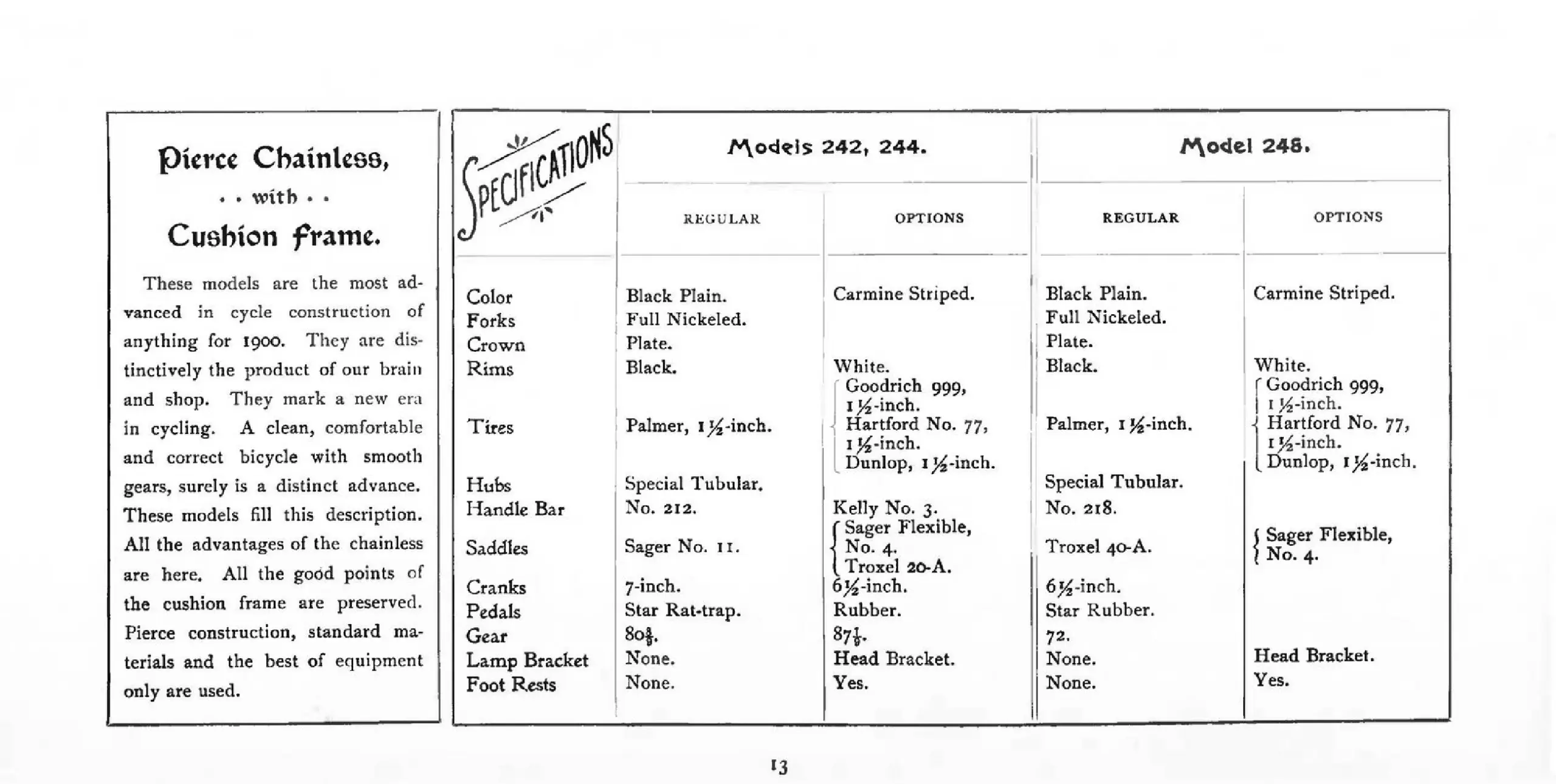
Pinning a year to an early Pierce is difficult and no published serial-number key survives. What we have instead is a slowly-growing record of documented examples. Pierce brought its shaft-drive chainless to market for the 1900 season as Nos. 242, 244 and the women’s 248 (the patent, applied for in September 1899, was not granted until December 1903), and for 1901 renumbered it 292 to 299, the 24-inch men’s model becoming the Model 294. The frame numbers that are tied to a year climb steadily: two bicycles reported stolen as 1900 models carry 69,427 and 74,987, the second of them a chainless, while a well-preserved cushion-frame chainless with a spring fork, dated to 1902 by that fork, carries frame number 94,344.
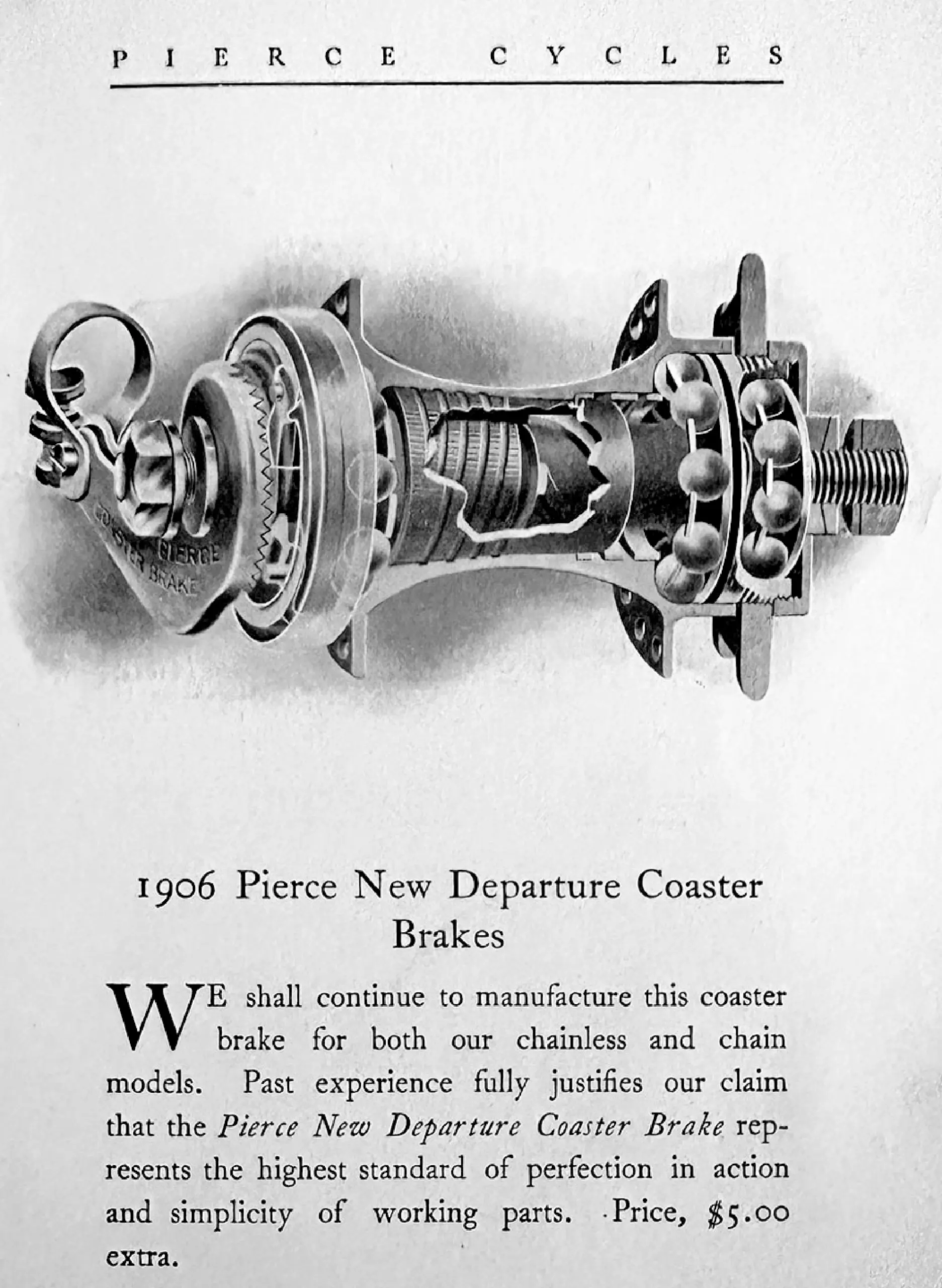
A chainless Pierce numbered in that range therefore belongs to the earliest 1900s, running higher with each passing year. The fittings help to confirm it, though they were not unique to the chainless: the cushion frame came first on chain models in 1898, and coaster brakes from 1899. In 1901 the cushion chainless with a New Departure hub coaster brake was sold as the Pan-American Special, named for Buffalo’s Pan-American Exposition of that year, and the spring fork was a new option for 1902.
None of this amounts to a key, only a set of clues to weigh together, and the deepest Pierce research lives with collectors and museums such as The Classic and Antique Bicycle Exchange (CABE) and the Online Bicycle Museum. If you own an early Pierce, adding its frame number to the Ebykr Serial-Number Registry helps that record grow.
Across Pierce’s whole output the frame numbers climb over the long run without ever settling into a clean yearly code. Documented machines run from the low 20,000s on 1896 models, past 100,000 by 1903 and about 145,000 by 1909, to between 172,000 and 197,000 in the newspaper notices of 1918 and 1919, while numbers past 200,000 rest on owners’ reports rather than dated print — a broad upward drift, but a noisy one, with numbers from consecutive years freely overlapping.
The firmest fix comes from the wartime years, when Pierces listed as stolen in the newspapers of 1918 and 1919 carry numbers between roughly 172,000 and 197,000. That is why a serial number alone will not date a Pierce, and why a shortcut that circulates among collectors, reading the first two digits as the year, falls apart on the evidence: 101,192 was reported stolen as a 1903 model and 144,850 as a 1909 model. The number can hide in several places as well: on the head tube above the fork crown on 1890s machines, on the seat tube below the seat cluster from about 1898, on the right rear dropout in the 1910s and on top of the bottom-bracket shell beside the chainring on frames built after the business moved to Angola, New York, in 1918.
The model designation offers a further clue. Pierce named its machines by number and the number carried meaning: a tier for the kind of bicycle and within it a figure for the frame size. In the Pierce Cycle Company range, the cushion-frame chainless wore the highest numbers of all, 152 for the 22-inch frame and 154 for the 24, while the cushion-frame chain models sat in the 130s and the plain roadsters lower still. The exact numbers shifted between the early chainless models of the 1900s and the later catalogs, so a model number is best read against its catalog rather than in isolation. Matched to the right catalog, a model number can name the type, the size and often the year at a stroke.
What model number is your Pierce and what year was it made?
Adapted and expanded from an original article by Susan Earle.
Special thanks to Chuck LaChiusa and his wonderful Buffalo Architecture and Historical web site and to Colin Kirsch of the unrivaled Online Bicycle Museum, each of whom deserves a deep measure of gratitude for their important roles in keeping the distinctly American, especially innovative Pierce Bicycle Company alive in all of our imaginations.
Buffalo Architecture and History: George N. Pierce
Buffalo Architecture and History: Pierce Cycle Company bicycle brochure
Wikipedia: Pierce-Arrow Motor Car Company
Pedaling History: Timeline of the Bicycle
University of Virginia: Women and the Bicycle (archived)
Dynamic Bicycles: Chainless Drive (archived)
Bike Forums: Pierce chainless discussion (archived)
The Classic and Antique Bicycle Exchange: 1900 Pierce chainless serial discussion
The Classic and Antique Bicycle Exchange: Pierce serial-number mega thread
Online Bicycle Museum: 1900 Pierce Men’s Chainless
Online Bicycle Museum: 1902 Pierce Chainless Cushion Frame Springfork
 Pierce
Ebykr documents this marque across the archive. Here is the rest of it.
The Ebykr Digest
New articles, timelines, catalog finds and registry activity — assembled from the archive once a month. Your address is never shared.
Double opt-in. One email per month. Unsubscribe at any time with one click.
Join the conversation below, or bring longer discussions and photos to the Ebykr Forums.

Hi every one,
I am looking for a Pierce Shaft-Drive Bicycle, or at least the frame and the complet drive and fork. Does any one know a adress or Wsite where i can find it.
Many tanks for your reply.
Hughe ( yougoo@gmail.com )
You are definately proud of your put up as you should be. It is extremely properly delivered. appreciation for the time you put into this. I’ll dig and attempt to find some complimenting details to add. Thanks again.
I would like some information as well on a club or resource for parts, information, etc. Miriam, If you have access or are familiar with any archived information about Percy and where the company went from there.
There are soooooooooooo many errors in this article about George Norman PIERCE [MY GR-GRANDFATHER] that it tears at me – Please write for corrections as well as PLEASE CLARIFY that THE head badge SHOWN belongs to his son Percy who took over the bicycle when GNP sold 1907 – due to health issues -he died in 1910-
HE DID NOT “BAIL” ANY MORE THAN ‘HE JUST PICKED UP AND WENT TO BUFFALO IN 1863’ – HE HAD BEEN THERE IN 1860 AT BUSINESS SCHOOL – LIVING W/FAMILY MEMBERS AND WHERE HE LIVED UNTIL HIS DEATH …
mpt
Hello,
Like to come in contact with David Toppin. Please send me his mail adres
I have a Pierce bike with an extra large frame. Trying to find out as much as possible about the history. By the way this is a great article and provides many links which I will review.
I also am looking for information regarding restoration. I have a number of unique bikes in a small collection left to me by my Dad Bicyle Bill Currey. His Bike shop was a legend in WV during the 50’s and 60’s.
Thanks for your information. Please contact me with inforamtion.
Bill Currey II
Hello, I have just purchased an early Pierce Arrow bicycle and could use some help finding a seat, chain and handle grips (cork I believe). I have had several Pierce Arrow automobiles and bicycles in years gone by but all my old reference people are out of business or have passed away. Any help would be greatly appreciated. I would like this to be restored for the Pierce meets next year as now they are taking in bicycle classes for compitition. Is there a Pierce bicycle club in existence?
Thank you
Atland
Pierce did NOT invent the chainless or shaft drive bike. League Cycle Company in Hartford, Colonel Pope bought the patent from them. VERY nice bikes though. People needing parts please contact me, I may be able to help. 866-299-8708
I just acquired a ladies Pierce-Arrow Bicycle at a yard sale!!!! I need the names of suppliers to replace a few parts. Can anyone give me some assistance? Thanks
Regards,
Cindy Robblee
Chesapeake, VA
I HAVE A PIERCE TANDEM WHICH MY FATHER AND A FRIEND RODE FROM SALT LAKE CITY UTAH THROUGH BRYCE AND ZION’S CANYON WHEN HE WAS 14 YEARS OLD AS A BOY SCOUT LIVING IN SALT LAKE. THE YEAR WAS APPROXIMATELY 1937. HE MADE A JOURNAL OF THIS ADVENTURE AND I HAVE TWO BLACK AND WHITE PHOTOGRAPHS JUST BEFORE THEY STARTED THE TRIP. I RODE THE SAME TANDEM FROM 1957 TO 1959 TO MY JUNIOR HIGH SCHOOL AND AS A BOY SCOUT RECIEVED MY CYCLING MERIT BADGE ON THE SAME BICYCLE. IT HAS THE ORIGINAL “PIERCE METAL NAME PLATE” ON THE FRONT OF THE FRAME. I WISH THAT I COULD FIND SOME RIM LOCK TIRES TO KEEP IT GOING AS IT WAS APPROXIMATELY 1950 WHEN THE MANUFACTURE OF RIM LOCK TIRES WAS DISCONTINUED. THIS BICYCLE HAS CONSIDERABLE HISTORICAL AS WELL AS PERSONAL VALUE TO ME AS MY FATHER PASSED AWAY AT THE AGE OF EIGHTY IN 2003.
SINCERELY,
HENRY S. TANNER
Hello
I enjoyed the work very much.
I resently acquired a Pierce bicycle, just the wheels, front fork, handle bars, the main frame. Its minus every thing back of the seat, other than the rear wheel.
If you could give me imfo of a club, suppliers etc. I would very much appreicate it.
Thanks Lavon.
Thanks Bob, and many thanks to the article’s author, Susan Earle. Without having looked it seems Pierce may well have some fairly far-reaching patents to his name. He was unquestionably among the more pioneering early american transportation engineers.
Cheers,
Eric Anschutz
Nice article! Now I’ll have to see if I can find some Pierce patents. Bob Shaver, Patent Pending blog.