About Ebykr
Ebykr celebrates classic and vintage lightweight bicycles through provocative imagery and opinion. Ride along with us.
About Ebykr
Ebykr celebrates classic and vintage lightweight bicycles through provocative imagery and opinion. Ride along with us.


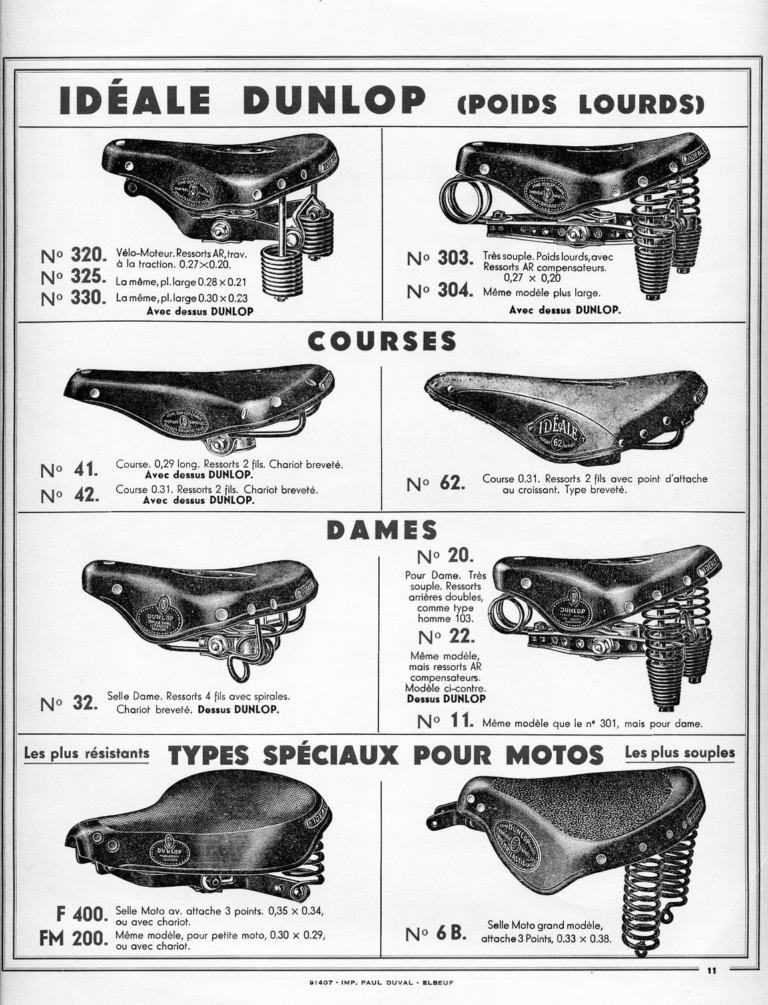
A practical guide to dating an Idéale saddle — why there is no date code, what the initials on the badge tell you, which models arrived when, how the alloy stamps and the rodée main mark narrow the window and how to date the paper.
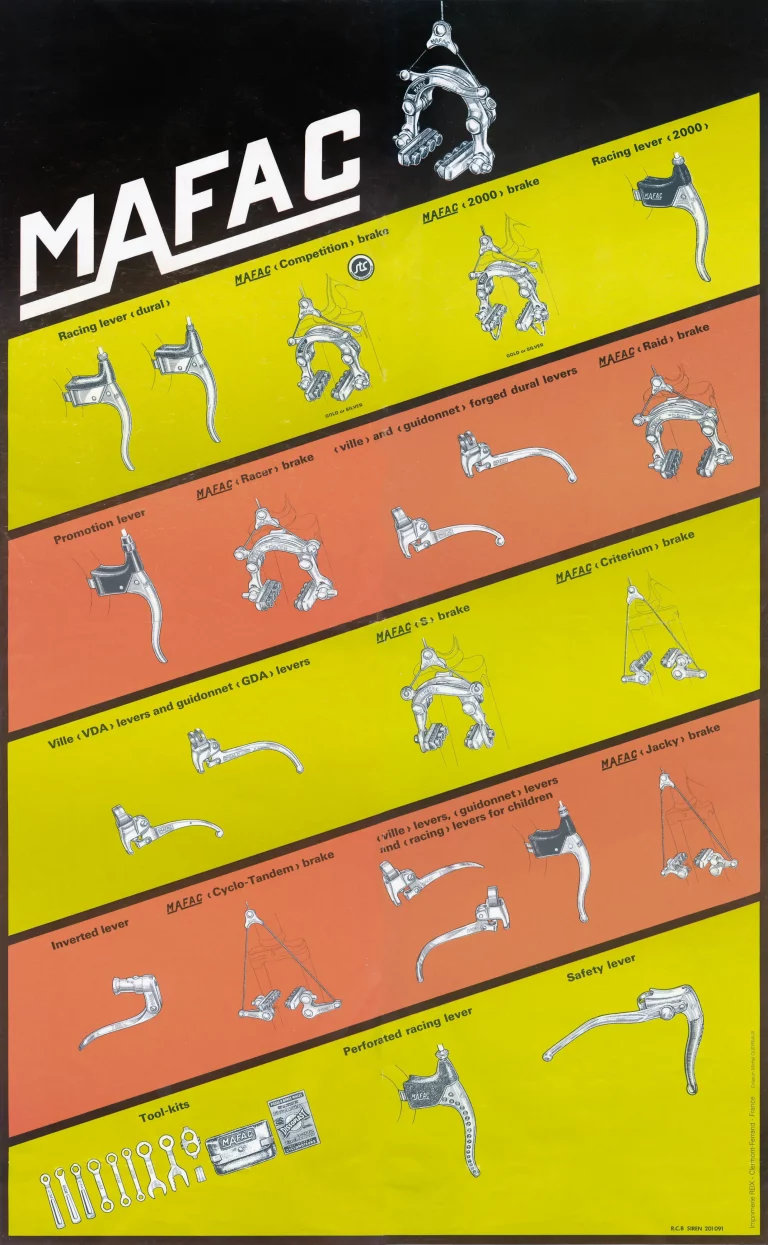
A practical guide to identifying and dating Mafac brakes — why there is no date code to rely on, how the Racer's arm markings changed, which models arrived when and how to read Mafac's own three-digit lever code.
A practical guide to dating a vintage Fuji — finding and reading the serial number that carries its build month and year, telling the build year from the model year and confirming it all against the model, the decals, the components and the catalogs.
A practical guide to reading a Reynolds transfer — what each mark actually guarantees, how its small print and the tube it names date a frame and how to tell a respray from a reproduction, drawn from Reynolds' own literature of 1972 to 1990.
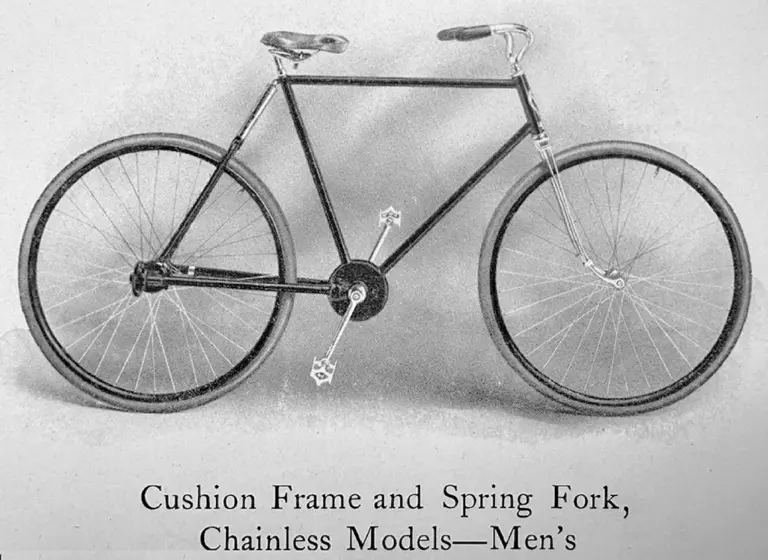
A practical guide to dating a Pierce bicycle from Buffalo — what the head badge says about who built it, why the first two digits are not the year, where a frame number sits on the ladder of dated examples, what the model numbers mean and which features arrived when.
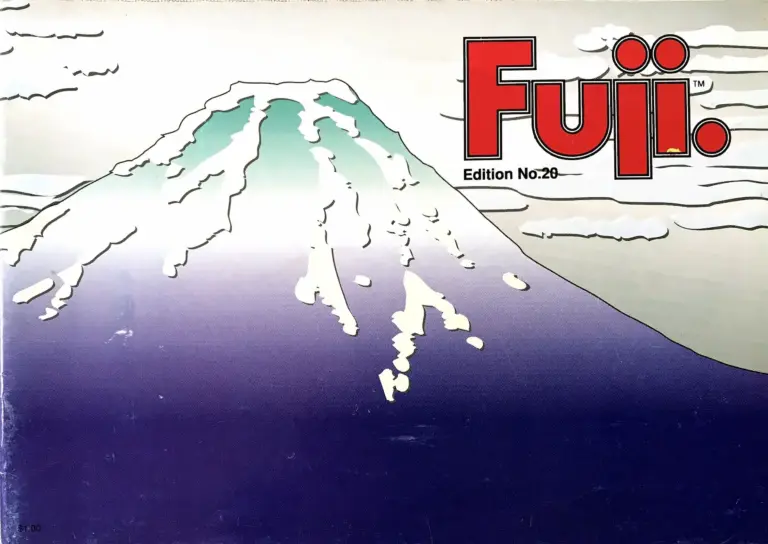
Founded in 1899 as a Tokyo import house trading under a name that meant Japan-America, Fuji is one of the oldest bicycle names still in use anywhere. This timeline follows it from Meiji-era importing through domestic manufacture, a wartime renaming, three Olympic Games, the S10-S that changed the American market, Valite tubing and an early titanium frame, to two bankruptcies and the brand's latest change of hands.
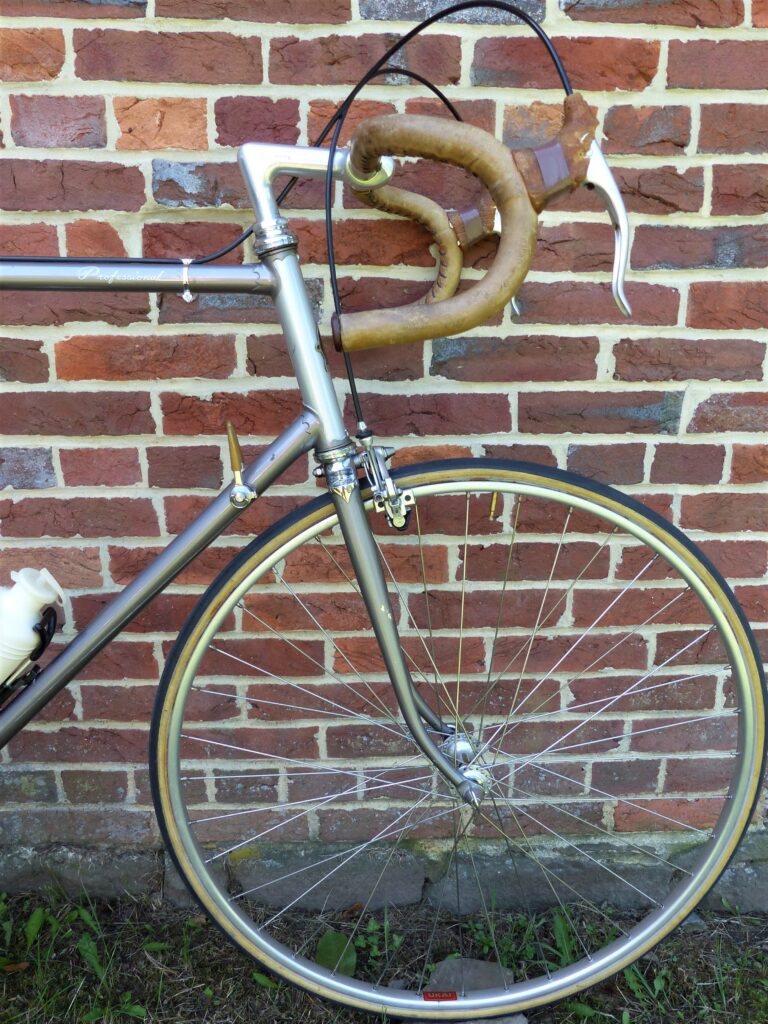
Founded in 1899 as a Tokyo trading house importing American goods, Fuji was Japan's most popular bicycle by the late 1920s and, with the S10-S of 1971, ended the assumption that a serious lightweight had to be European. This is the longer story: the wartime renaming, three Olympic teams designed by a former Asian Games winner, Valite tubing, an early production titanium frame, serial numbers that actually date a frame, two bankruptcies and a brand changing hands again in 2026.
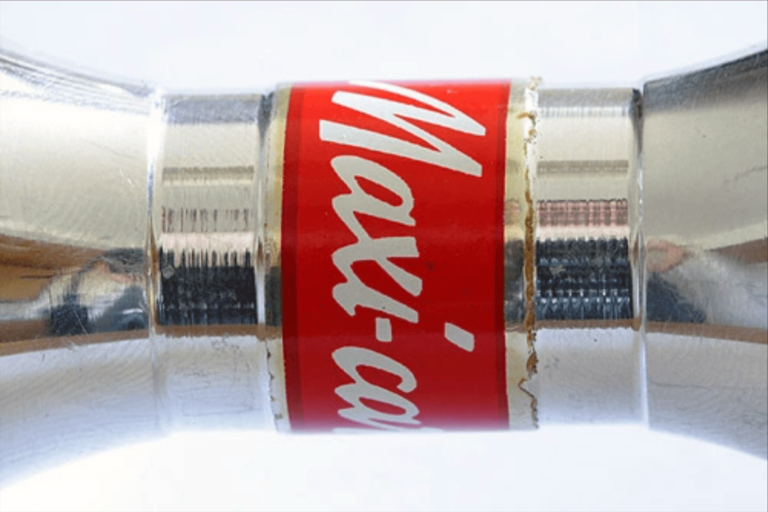
Maxi-Car did one thing and did it better than anyone else: make great bike hubs. The marque is a braid of three separate French houses that include a Lyon artisan who patented the application of demountable annular bearings to the…
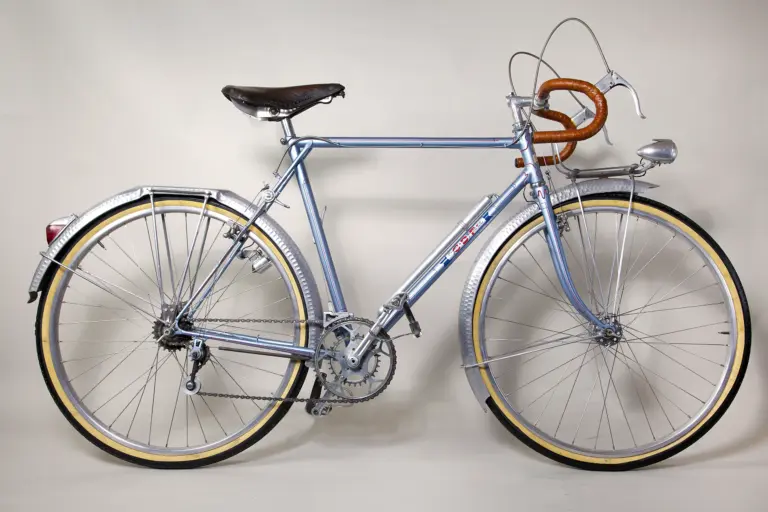
A 650B randonneuse built to exhibition standard in 1948 by Cycles de France of Saint-Etienne, and the two Daniel Rebour plates that put the marque on the page.
The Ebykr Digest
New articles, timelines, catalog finds and registry activity — assembled from the archive once a month. Your address is never shared.
Double opt-in. One email per month. Unsubscribe at any time with one click.