About Ebykr
Ebykr celebrates classic and vintage lightweight bicycles through provocative imagery and opinion. Ride along with us.
About Ebykr
Ebykr celebrates classic and vintage lightweight bicycles through provocative imagery and opinion. Ride along with us.

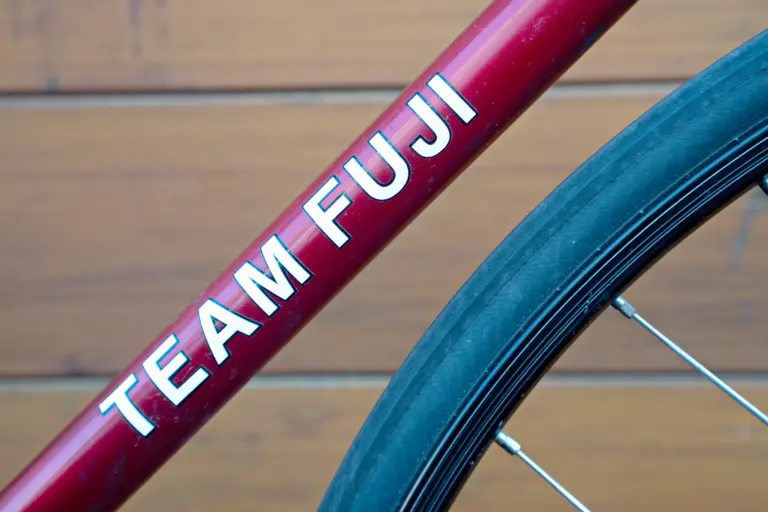
A practical guide to dating a vintage Fuji — finding and reading the serial number that carries its build month and year, telling the build year from the model year and confirming it all against the model, the decals, the components and the catalogs.
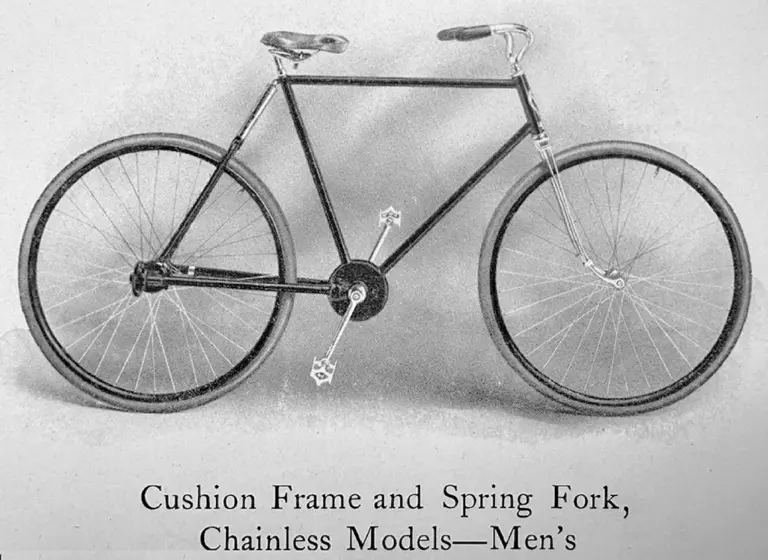
A practical guide to dating a Pierce bicycle from Buffalo — what the head badge says about who built it, why the first two digits are not the year, where a frame number sits on the ladder of dated examples, what the model numbers mean and which features arrived when.
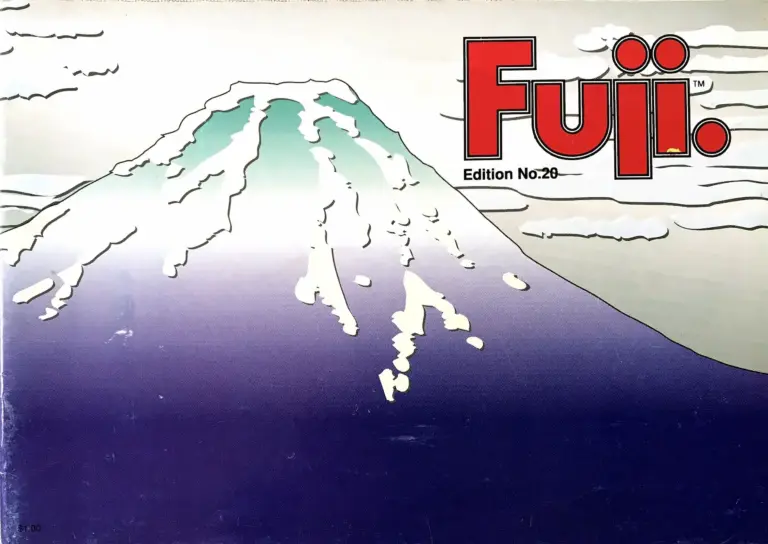
Founded in 1899 as a Tokyo import house trading under a name that meant Japan-America, Fuji is one of the oldest bicycle names still in use anywhere. This timeline follows it from Meiji-era importing through domestic manufacture, a wartime renaming, three Olympic Games, the S10-S that changed the American market, Valite tubing and an early titanium frame, to two bankruptcies and the brand's latest change of hands.
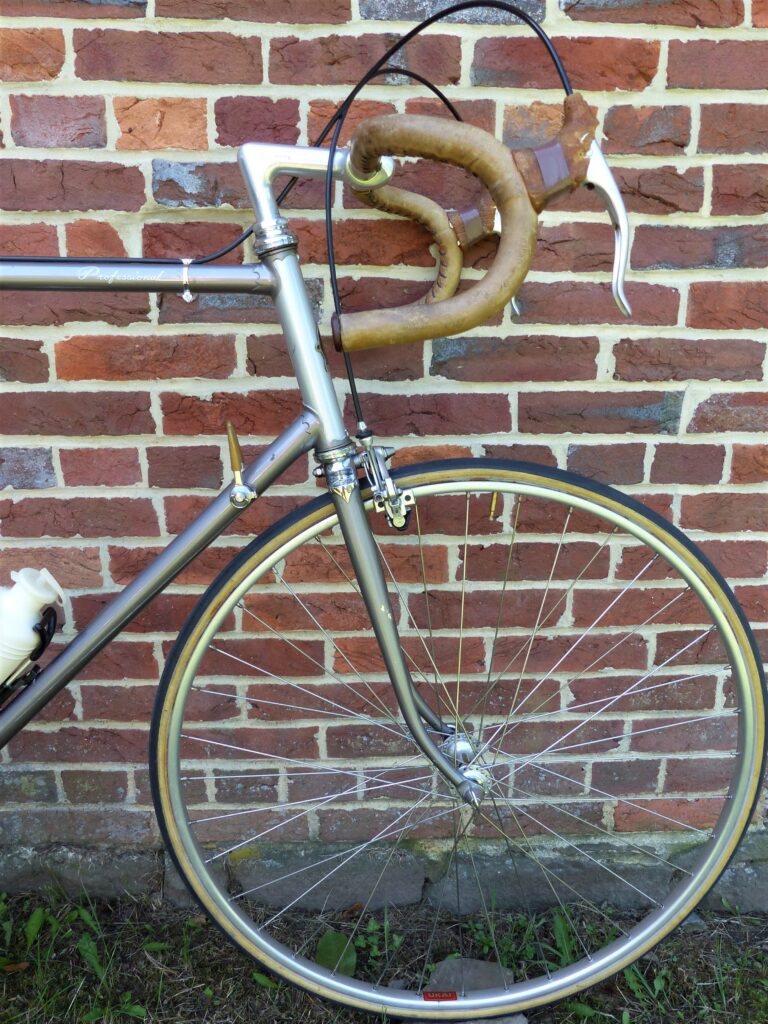
Founded in 1899 as a Tokyo trading house importing American goods, Fuji was Japan's most popular bicycle by the late 1920s and, with the S10-S of 1971, ended the assumption that a serious lightweight had to be European. This is the longer story: the wartime renaming, three Olympic teams designed by a former Asian Games winner, Valite tubing, an early production titanium frame, serial numbers that actually date a frame, two bankruptcies and a brand changing hands again in 2026.
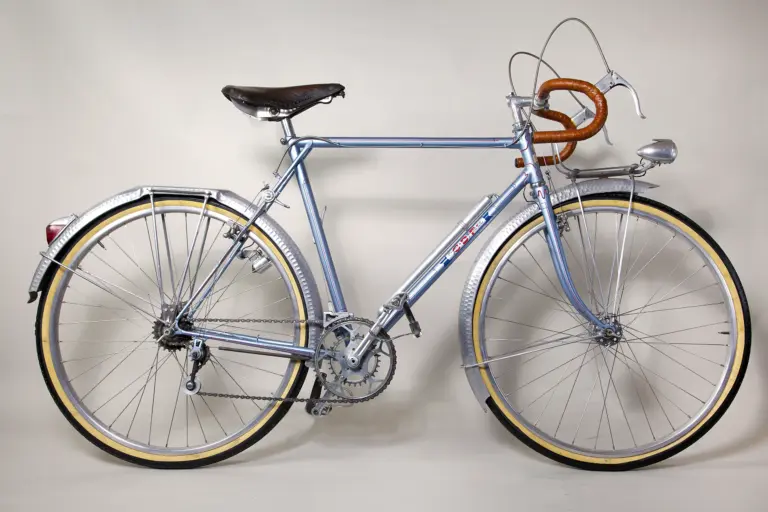
A 650B randonneuse built to exhibition standard in 1948 by Cycles de France of Saint-Etienne, and the two Daniel Rebour plates that put the marque on the page.
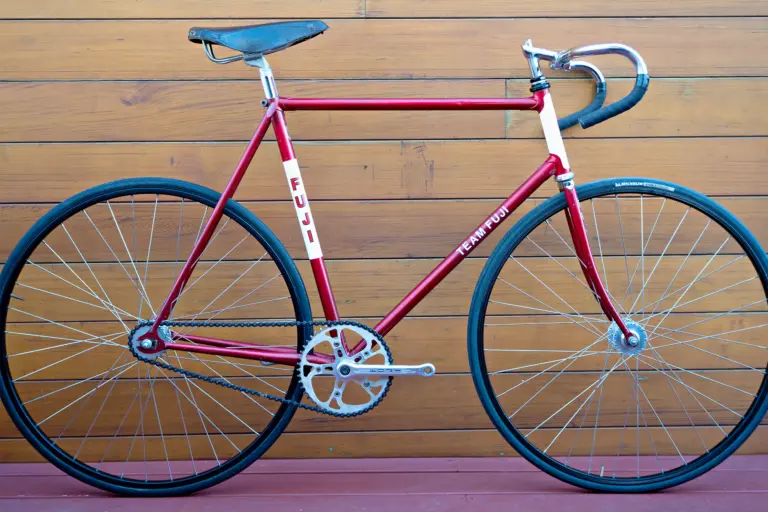
A 1970s Team Fuji track frame in Fuji 331 double butted chrome molybdenum, built out of the Japanese track parts bin: Nitto, Sugino, Suzue, Araya and HKK.
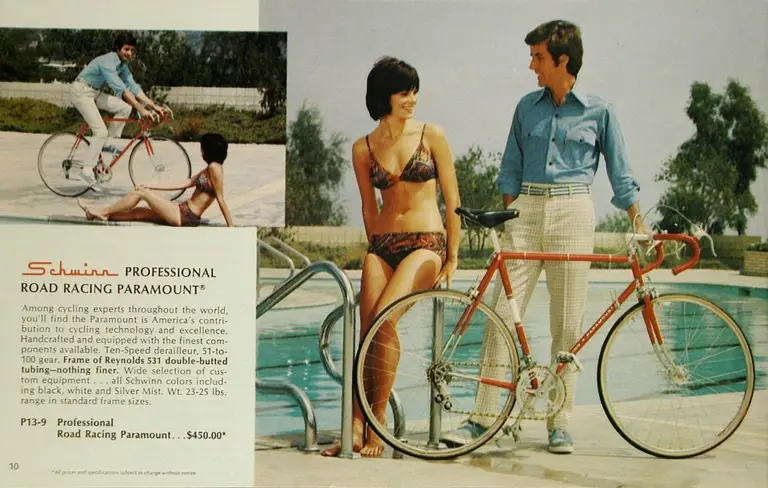
Schwinn printed more paper than almost any American bicycle company and a great deal of it survives. This gallery gathers the catalog pages, dealer books and magazine advertisements that document the marque from a 1939 trade advertisement for racing components…

Founded in Chicago in 1895, Schwinn ran an extraordinary double life: a mass-production giant selling balloon-tire cruisers and electro-forged ten-speeds by the million, and a small hand-build shop producing Paramount racing frames and fillet-brazed lightweights that could stand against anything made in Europe. This timeline follows the company from the 1890s boom through the Wastyn Paramounts, the Sting-Ray, the bike boom it failed to capture, two bankruptcies and the 2023 closing of Waterford.
For most of the twentieth century Schwinn was simply the American bicycle, which is exactly why enthusiasts of classic lightweights tend to look past it. Behind the balloon-tire cruisers and the electro-forged Varsity sat a Chicago hand-build shop turning out Paramount racing frames, and a second line of fillet-brazed lightweights so badly marketed that almost nobody recognized what they were. This is the story of a company that built superb bicycles and could never quite bring itself to sell them.
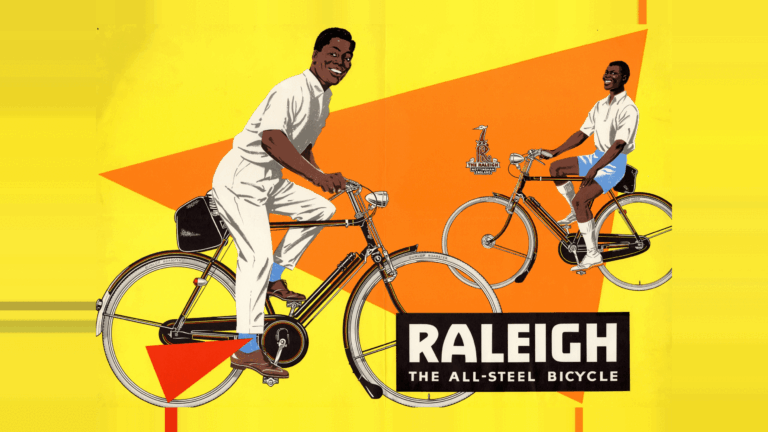
Raleigh went from a twelve-person workshop on a Nottingham back street to the largest bicycle manufacturer in the world, and from there to a brand owned by a Dutch group under lender control. This is the full arc: Sturmey-Archer and the three-speed empire, the export trade, the Moulton fight, the Chopper, the four-man Ilkeston workshop whose frames won the 1980 Tour de France, and the long unwinding that ended manufacturing in Nottingham.
The Ebykr Digest
New articles, timelines, catalog finds and registry activity — assembled from the archive once a month. Your address is never shared.
Double opt-in. One email per month. Unsubscribe at any time with one click.