About Ebykr
Ebykr celebrates classic and vintage lightweight bicycles through provocative imagery and opinion. Ride along with us.
About Ebykr
Ebykr celebrates classic and vintage lightweight bicycles through provocative imagery and opinion. Ride along with us.



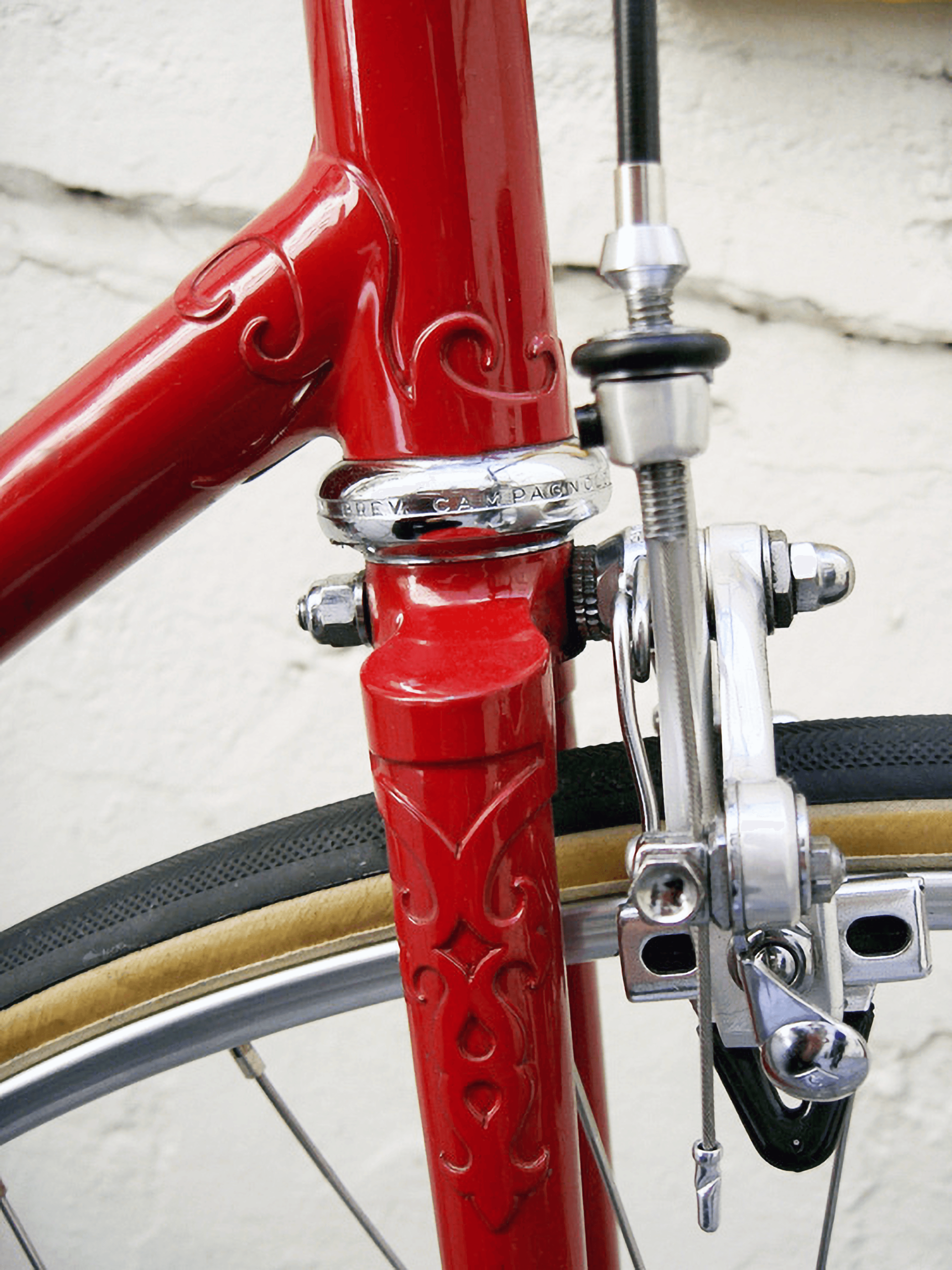
Bicycle companies faced a historical deletion around the time World War II hit, as the prevalence of automobiles and weight of war became overwhelming for manufacturers and racers alike. It was through this same period of hardship that North London’s Hetchins emerged and endured, distinguished by interesting frame designs, a diverse model range and meticulous lug work born from the partnership of Hyman Hetchin and master frame builder Jack Denny.
Here is a chronological timeline of key company and product events at Hetchins, spanning from 1934 to 1996, based on the sources used for an accompanying Ebykr article on its history, “Hetchins Bicycles: Meticulously Lugged.”
Do you own a Hetchins, or have a favorite lug pattern or model like the Magnum Opus or the Swallow, share your story and photos in the Ebykr forums.
http://www.ebykr.com/hetchins-bicycles-meticulously-lugged/
http://www.hetchins.org
http://www.hetchins.org/history1.htm
https://bellsbicycles.co.uk/blogs/news/the-restoration-of-the-hetchins-tandem
http://www.hetchins.org/lugs.htm
http://www.hetchins.org/501mo-01.htm
http://www.hetchins.org/history.htm
http://www.hetchins.org/kenjanes-01.htm
https://www.classiclightweights.co.uk/readers_bikes/hetchins-swallow-1970/
http://www.hetchins.com/
http://www.hetchins.org/501sb-01.htm
http://www.hetchins.org/501brill-01.htm
http://www.hetchins.org/504anglo1.htm
http://www.hetchins.org/504tan1.htm
http://hetchins.org/
http://www.hetchins.org/bogus-01.htm
http://www.bikecult.com/works/archive/10bicycles/hetchinsGLV2.html
http://hetchins.com/
http://www.v-cc.org.uk/
 Hetchins
Ebykr documents this marque across the archive. Here is the rest of it.
The Ebykr Digest
New articles, timelines, catalog finds and registry activity — assembled from the archive once a month. Your address is never shared.
Double opt-in. One email per month. Unsubscribe at any time with one click.