About Ebykr
Ebykr celebrates classic and vintage lightweight bicycles through provocative imagery and opinion. Ride along with us.
About Ebykr
Ebykr celebrates classic and vintage lightweight bicycles through provocative imagery and opinion. Ride along with us.


What made a French constructeur, from the Concours de machines to Paris-Brest-Paris, and a guide to Ebykr's stories of René Herse, Alex Singer, Jo Routens, André Maury, Goëland, Caminade and the Lefol fender works.
Ask a collector of classic French bicycles what a constructeur is and the answer usually begins with a list of names: Singer, Herse, Routens and maybe someone else. The word itself means only “builder,” but in the French cycling world of the 1930s to the 1970s it came to mean something narrower and far more demanding. A constructeur did not simply braze a frame and sell it to a shop for someone else to fit out. He built the whole bicycle, frame, fork, racks, fenders, lighting and often many of the other parts, as one machine, fitted to one rider and the riding that rider meant to do.
Ebykr has written about many of these builders one at a time. This page ties those stories together and points to where each one is told in full. Too much of a good thing is never a bad thing, right?!
The constructeurs grew out of French cyclotourism, the club culture of long rides on mountain roads and gravel lanes, and out of the randonneur events that tested riders and machines together. Historically these included the Brevet de Randonneur Alpin in the Alps, the Polys of Chanteloup and Lyon and above all Paris-Brest-Paris, 1,200 kilometers in under 90 hours. Their customers wanted bicycles that were light, but they also wanted lights that worked all night, fenders that did not rattle, racks that carried a load without swaying and parts that did not fail far from home. You know, just like today.
From the mid-1930s to the end of the 1940s the builders answered that demand in public, mostly at the Concours de machines. These technical trials sent fully equipped bicycles, loaded with luggage, over hundreds of kilometers of rough roads, then weighed and inspected them part by part and marked them down for every failure. A good result at the Concours was the best advertisement a builder could have and the trials pushed the whole trade toward lighter, better integrated machines. The technical press followed every one of them and no one followed them more closely than Daniel Rebour, whose pen drawings in Le Cycle recorded the details of each builder’s work. Many of those drawings are now the best surviving evidence of how these bicycles were made; Ebykr holds a selection in its Random Rebour collection and in the Catalog Archive.

Addresses as printed in each maker's catalogs and advertisements in the Ebykr archive or as given in Ebykr's articles on them. Positions are approximate.

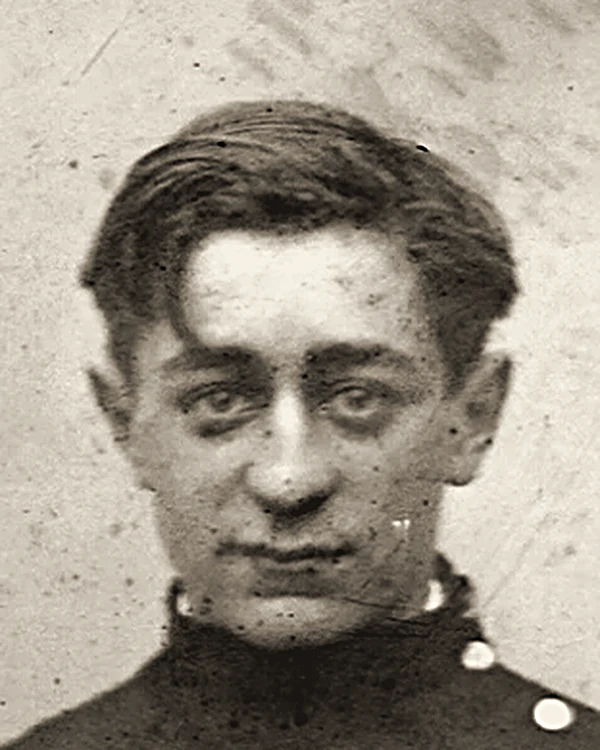
René Herse (Levallois-Perret, 1940 to 1988) is for many the greatest of them. A former aircraft mechanic at Breguet, he made light alloy parts before he made bicycles, and his machines dominated the Concours of the 1940s and the builders’ prize at Paris-Brest-Paris for decades. His daughter Lyli raced to the French championship on bicycles he built, and her husband Jean Desbois kept the shop going, taking orders until 1986 and finishing the last bicycles in 1988. Read René Herse: The Master Artisan of Levallois, and see a surviving machine in Tech Specs: 1951 René Herse Concours.

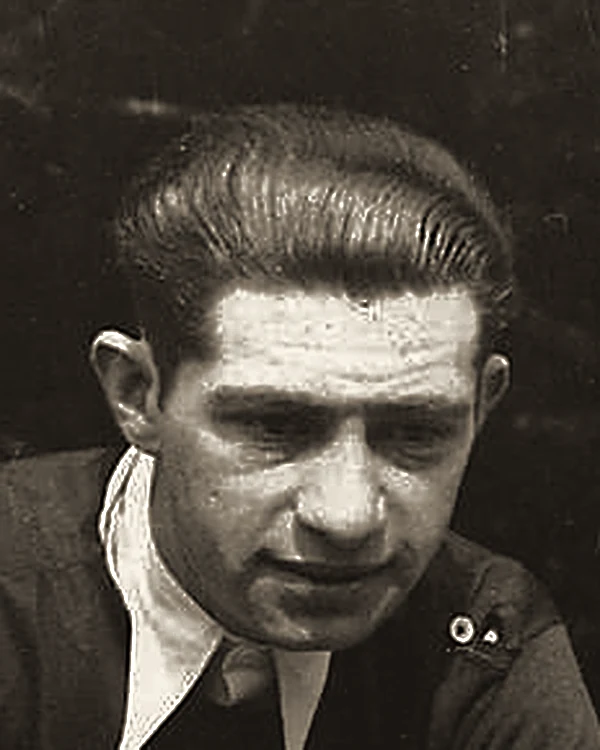
Alex Singer (Levallois-Perret, from 1938) opened his atelier at 53, rue Victor-Hugo, a few streets away from Herse, and the first five bicycles he made there were all touring tandems. At the 1946 Concours his machine weighed just 6.875 kg without tires. His nephews Ernest and Roland Csuka took over construction in 1964, and Cycles Alex Singer is the one great name of the era still building bicycles, now under the steady hand of Ernest’s son, Olivier. Read Cycles Alex Singer: Ageless Grace and the Alex Singer timeline.

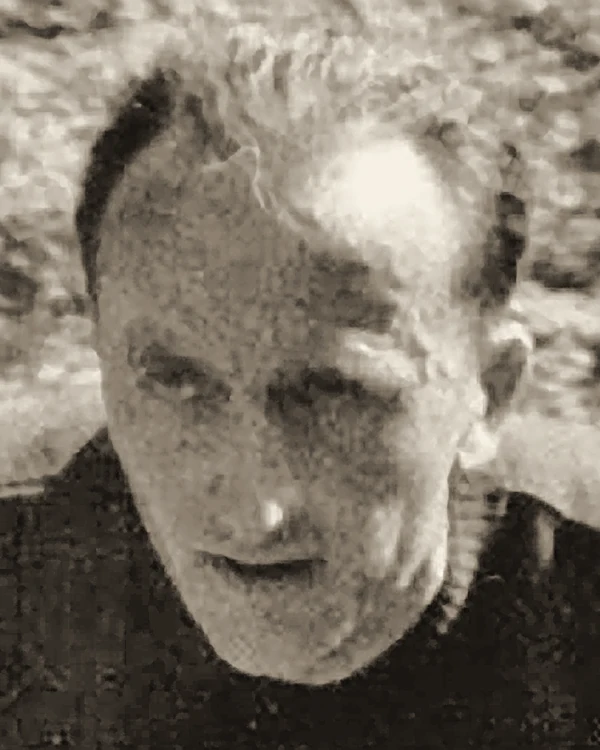
Jo Routens (Grenoble) was the constructeur of the Alps. A rider before he was a builder, he made his name at the Brevet de Randonneur Alpin, went into partnership with Roger Hugonnier after the war and set up on his own in 1952. Where Herse and Singer built for the most demanding (which is to say, rich) customers, Routens never lost sight of the everyday cyclist and their needs. Read Jo Routens: Randonneur de l’Excellence, the Jo Routens timeline and Hugonnier-Routens Catalog Photos and Illustrations.


André Maury (Paris, 15th Arrondissement) worked from 13 Boulevard Pasteur from 1929 and later from rue Asseline in the 14th. He was the couturier of the group, tailoring each very special bicycle to its very special owner, and his workshop made the “Speedy” cantilever brake, whose design credit is still argued between Maury and Herse, who made it famous. Read André Maury: Bicycle Constructeur d’Élégance et d’Excellence, André Maury: 28 Technical Innovations of the Bicycle Couturier and the André Maury timeline.

Louis Moire (Goëland) (Paris, about 1935 to 1970) was the constructeur for riders who wanted a fine cyclotouring bicycle at a lower price. Louis Moire, a bicycle salesman before he was a builder, sold well-made cyclotouring bicycles from 44 rue Étienne-Marcel at prices closer to the mainstream, and kept the seagull flying for some 35 relatively prosperous years. Read Goëland: Soaring to Lofty Heights and Tech Specs: 1958 Goëland Randonneur.

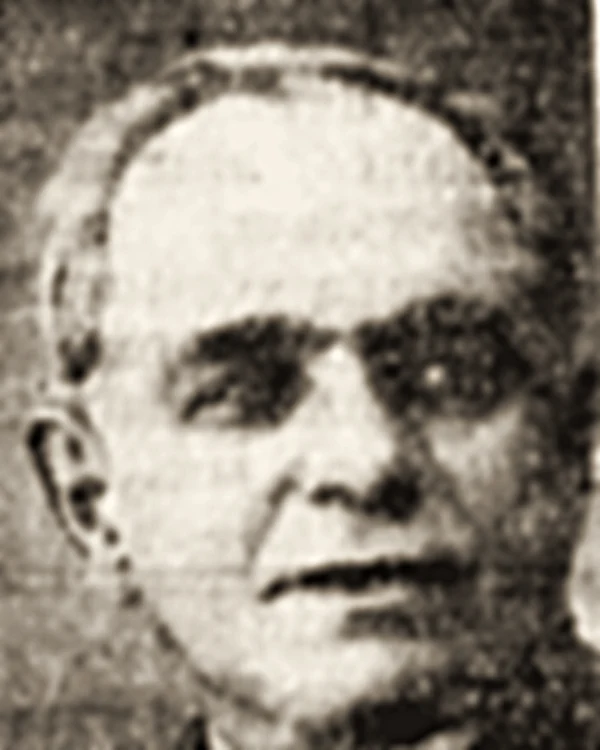
Pierre Caminade (Levallois-Perret, then Bois-Colombes) took the search for lightness down a different road. From 1934 Pierre Caminade sold aluminum bicycles under the Caminargent name, with octagonal tubes joined by bolted lugs, and by 1936 he had built working bicycles of under six kilograms that came apart with a single wrench. Read Caminade: The Circle of Cycle and Tech Specs: 1937 Caminade Caminargent Bordeaux-Paris.
No photograph of André Maury or Louis Moire has come to light. If you have one, or know where one might be found, please get in touch.
No constructeur made everything. Around them grew a trade of specialist parts makers whose names appear again and again in Rebour’s lists of equipment, and whose advertisements were quick to claim a share of every win. J. Lefol of Paris and later Courbevoie made the hammered aluminum Le Martelé fenders that became part of the look of a French randonneuse. One Lefol advertisement in the Ebykr Catalog Archive celebrates the Herse tandem of Prestat and Mlle Herse, first among the mixed tandems at the Poly. Read J. Lefol: Inventeur – Constructeur and the Lefol timeline.
The same pages tell the stories of the other suppliers the constructeurs relied on: Spécialités TA, whose founder Georges Navet learned to work duralumin in Herse’s wartime workshop, and the Idéale saddles, Maxi-Car hubs and Stronglight cranks that turn up on bicycle after bicycle in Rebour’s drawings.
Ebykr’s Tech Specs pages document surviving constructeur bicycles part by part. Besides those already named, see Tech Specs: 1950 A. Maury Randonneur, Tech Specs: 1950s Jo Routens Randonneur, Tech Specs: 1967 Jo Routens Randonneur, Tech Specs: 1948 Cycle de France Concours Randonneuse, Tech Specs: 1950s Le Chemineau Randonneur and Tech Specs: 1940s Twin Top Tube Randonneuse.
The constructeurs had a brief second wind in the 1970s, when the American bike boom and a new French interest in fitness sent new orders their way, but unfortunately it did not last. Building bicycles by hand was (and is) hard and poorly paid work, and as Routens, Herse and their contemporaries retired, their children rarely wanted to keep the family shops open. By the late 1980s only Cycles Alex Singer remained. The names did not disappear: the constructeur bicycle has been revived by builders in France, North America and Japan, René Herse returned as a brand in the United States, and the old machines are collected and ridden as much as ever. The originals, and the period record of how they were made, are what these Ebykr pages set out to document and celebrate.
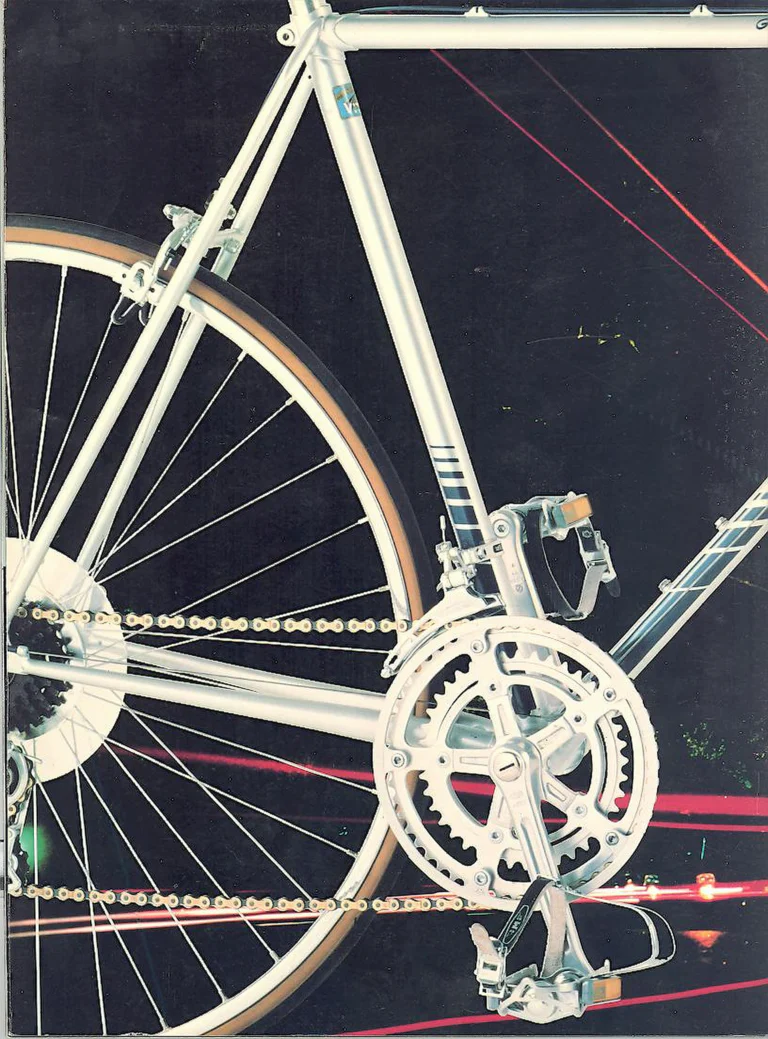
Header photograph courtesy of Olivier Csuka, Cycles Alex Singer.
The Ebykr Digest
New articles, timelines, catalog finds and registry activity — assembled from the archive once a month. Your address is never shared.
Double opt-in. One email per month. Unsubscribe at any time with one click.