About Ebykr
Ebykr celebrates classic and vintage lightweight bicycles through provoking imagery and opinion. Let's roll together!
About Ebykr
Ebykr celebrates classic and vintage lightweight bicycles through provoking imagery and opinion. Let's roll together!


All About the Francs, and Palmarès
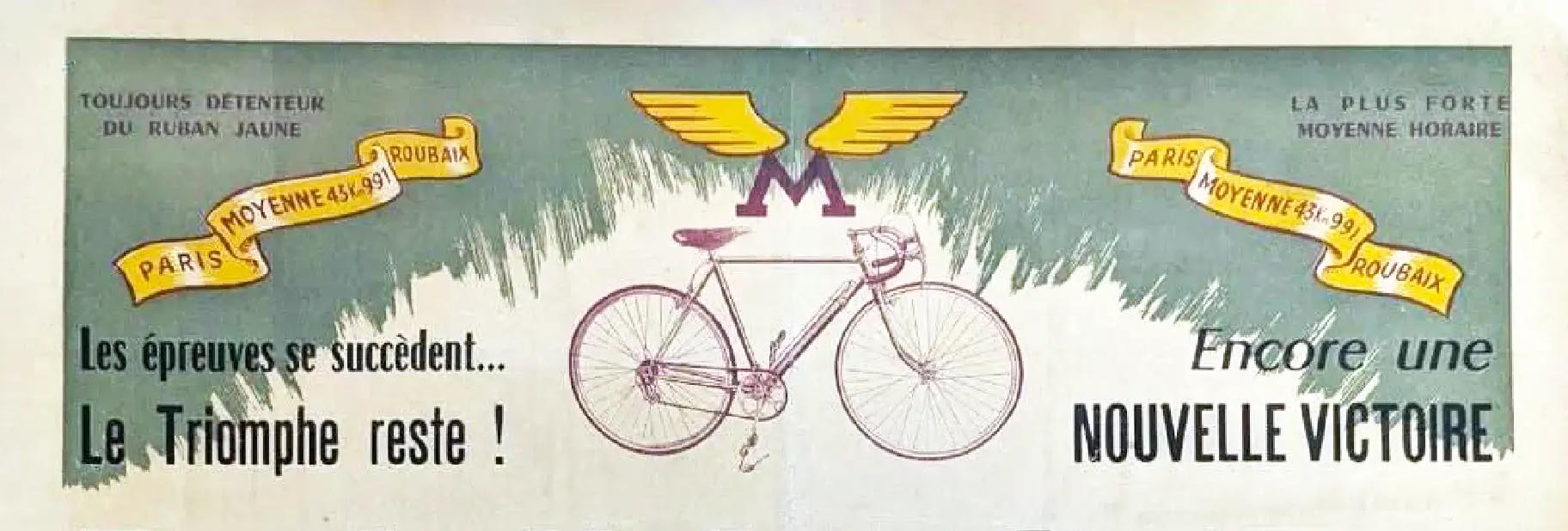
Very few marques from classic cycling’s golden years are as simultaneously transparent and opaque as Cycles Mercier. Wonderful examples of the company’s craftmanship abound in their namesake bicycles, spanning the pre-War 1920s through the go-go 1980s when its assets were finally liquidated. What happened in between feels like the corporate development equivalent of a speed freak teaching a master class on brand management. This includes Mercier producing 150,000 bicycles annually while managing an empire of 25 sub-brands and OEM relationships, with the company assuming responsibility for another brand every two and a half years on average – over its lengthy 66-year reign. Makes one sweat just thinking about it, without even getting into Mercier’s “Steel Horse” association where its bikes were used to end French colonial rule in what is today Vietnam.
And so the condensed Mercier story goes, one as much about corporate dominance as competitive success. For some, it would seem, cycling was more about the Francs than the Palmares. Perhaps that is why Mercier did so well for so long as a business, all the while racking up podium finishes nonetheless. Case in point: the Mercier trade team still holds the title of the pro team with the most Tour de France participations – often cited as 50, from 1935 until its final entry in 1984, even though the Tour was not held during World War II. Pairing the two together—corporate dominance and competitive success, as Mercier adroitly managed across six mostly prosperous decades—is among the only known operating patterns for extended success in the challenging, unpredictable and downright difficult bicycle market.
That observed, it is how Mercier achieved this success that really sets it apart…
Birthplace of So Many Legends
Cycles Mercier was founded and primarily operated in the city of Saint-Étienne, France. This location is significant because Saint-Étienne, located southwest of Lyon in the Loire region, was historically considered the “cradle” of the French bicycle manufacturing industry and the country’s Industrial Revolution. Bicycle makers like Automoto, component makers like Stronglight and materials suppliers like Ateliers de la Rive (Vitus) operated out of the Saint-Étienne area during Mercier’s active years. Major rivals like Peugeot and Gitane also operated in the region, creating a deep pool of skilled labor and strong tradition of bicycle engineering that would come to benefit the brand savvy, horizontally integrated Mercier.
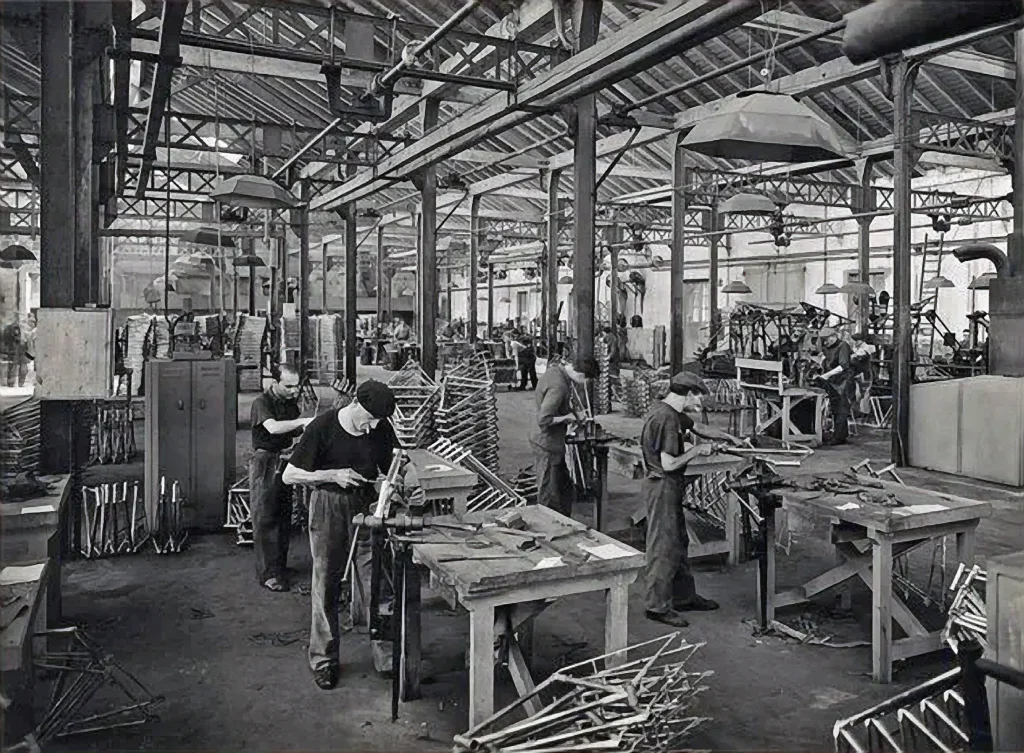
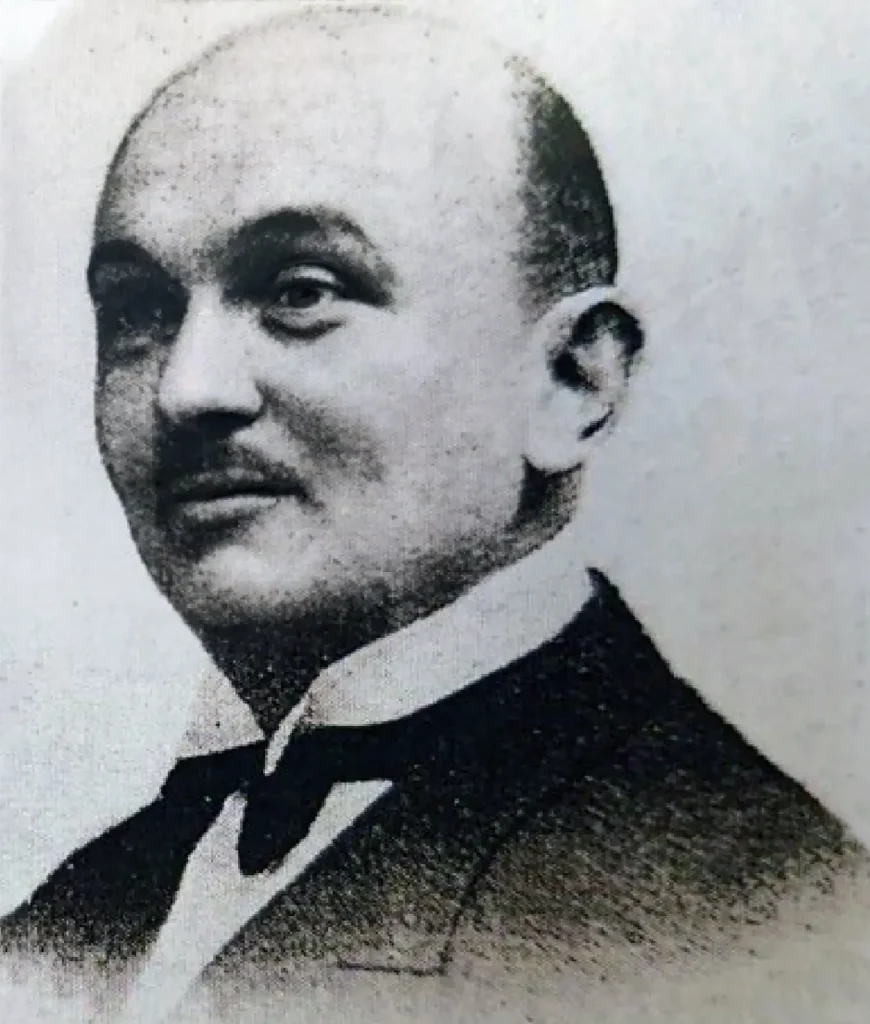
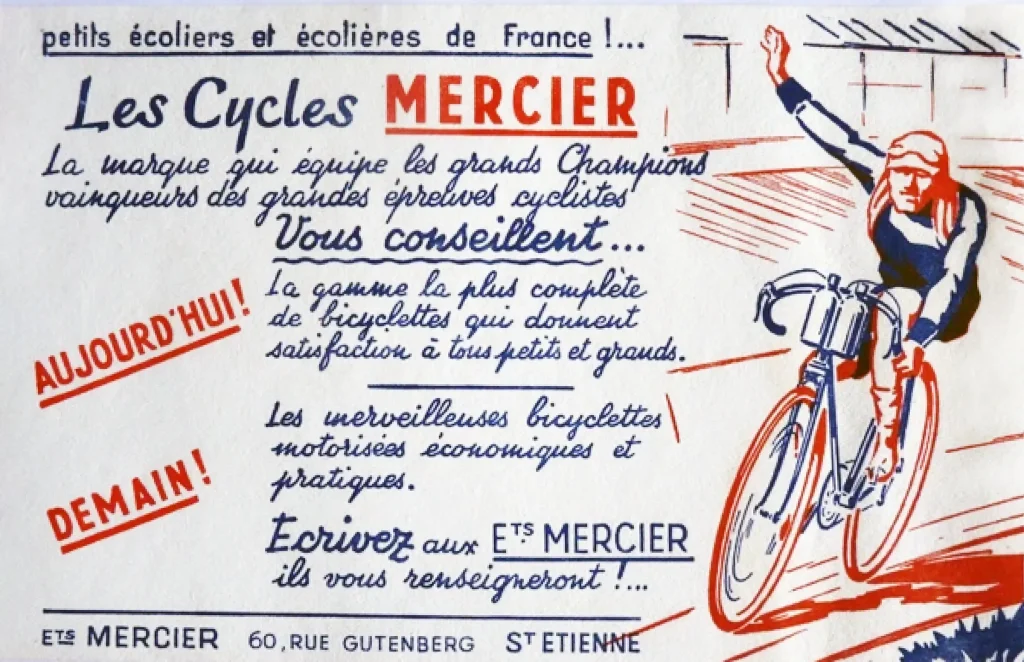
Cycles Mercier was founded in 1919 by Saint-Étienne native Émile Mercier and his two brothers, Marcel and Constant. Its original site was at 60 rue Gutenberg in Saint-Étienne. Cycles Mercier would join forces with Jean-Benoît Ribaud in 1921 to form the Ribaud et Mercier general partnership, with the Paret brothers likely involved in the arrangement. Émile Mercier was the manager and its main office was located at 46 rue du Vernay, also in Saint-Étienne. This would be among the earliest known indications of the strong commercial aspirations motivating Émile Mercier over the years.
From Bottom Brackets to Frames
Cycles Mercier initially produced bottom bracket axles and cups (or perhaps pedal axles and platforms depending on the source), expanding into framesets in 1924, the same year Émile Mercier bought out the company’s partners—Jean-Benoît Ribaud and the Paret brothers—and reorganized the company’s workshops along with his two brothers, after which he proceeded on his own. A partnership with the reputed bicycle manufacturer Goer helped accelerate Mercier’s transition into frame and fork production around this time, with the former established nearly 30 years prior in 1896.
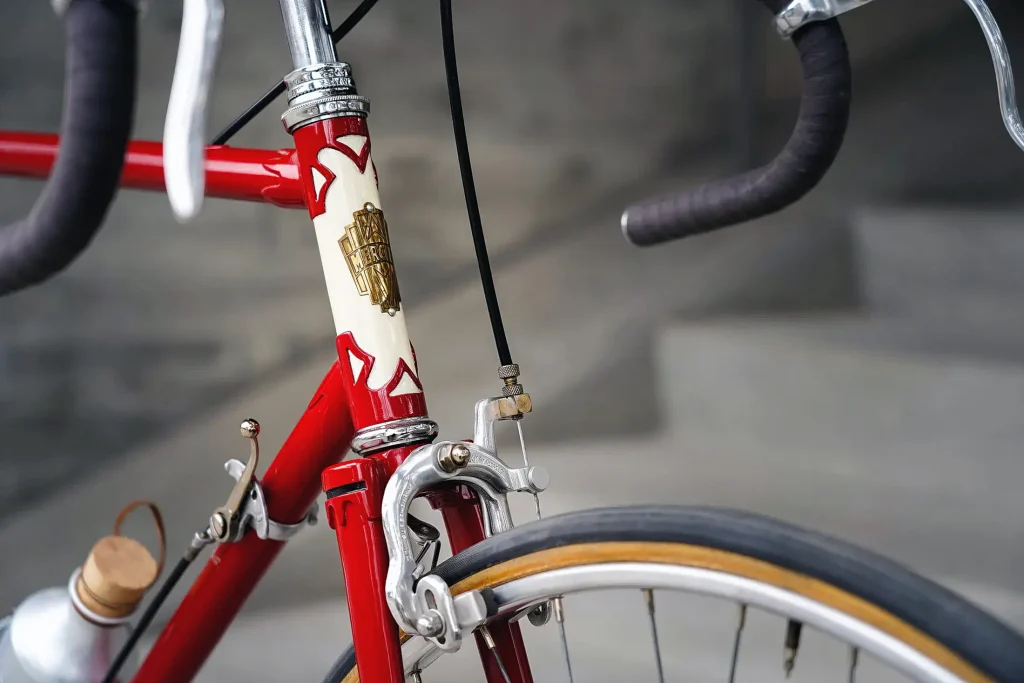
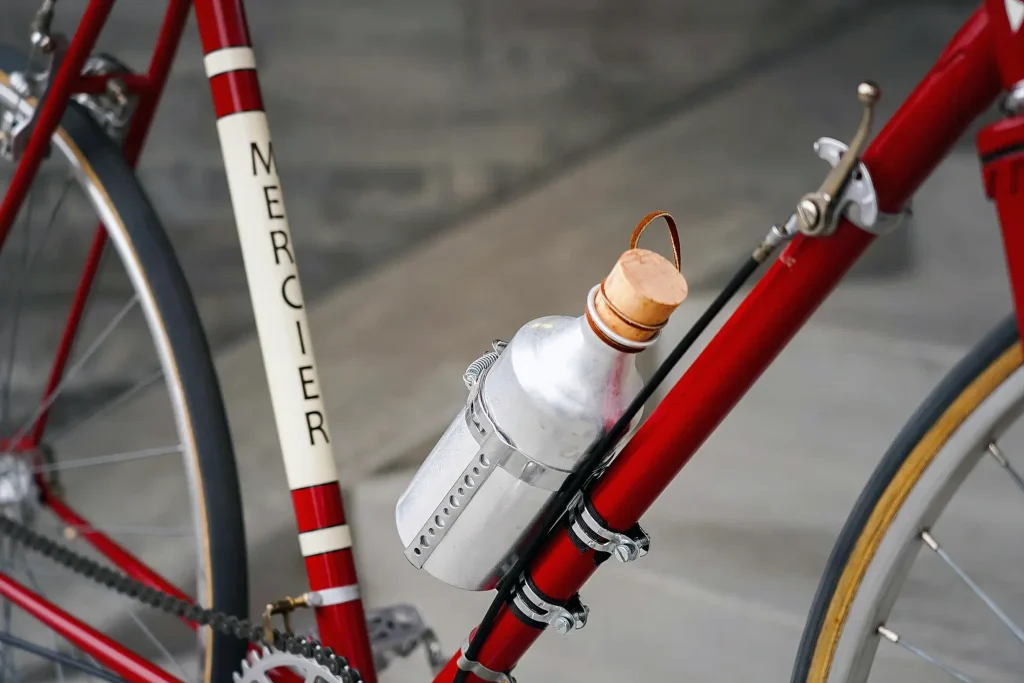
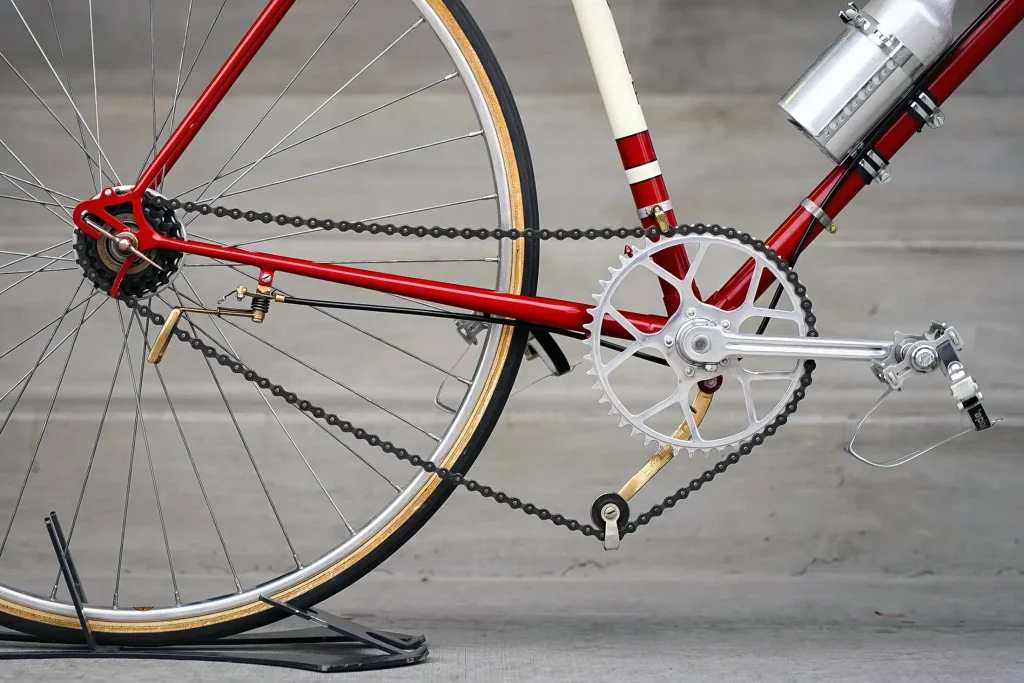
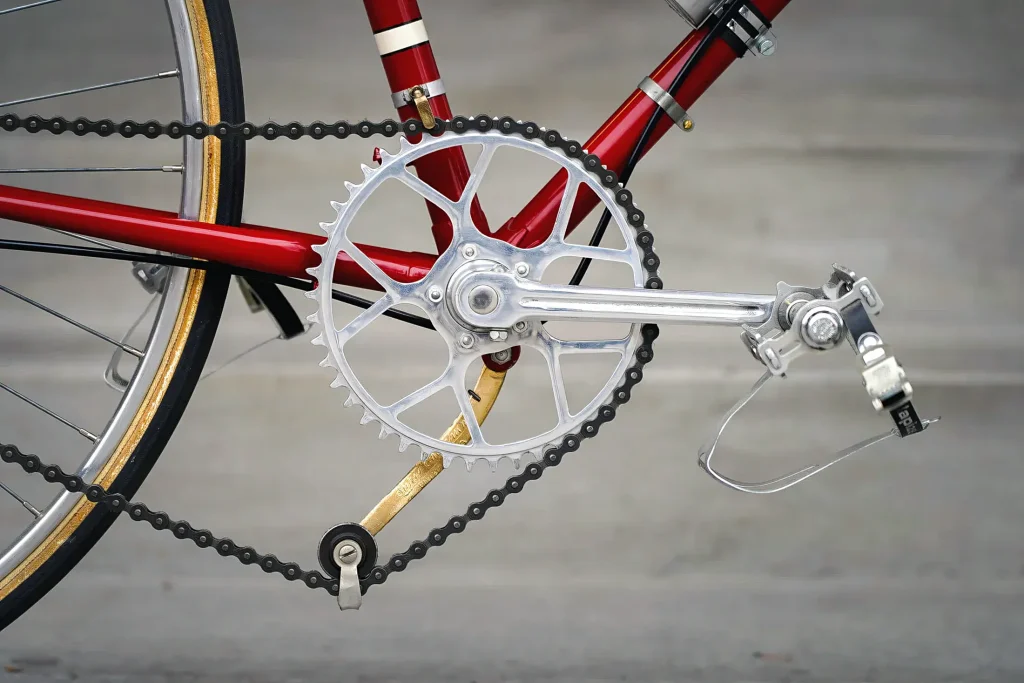
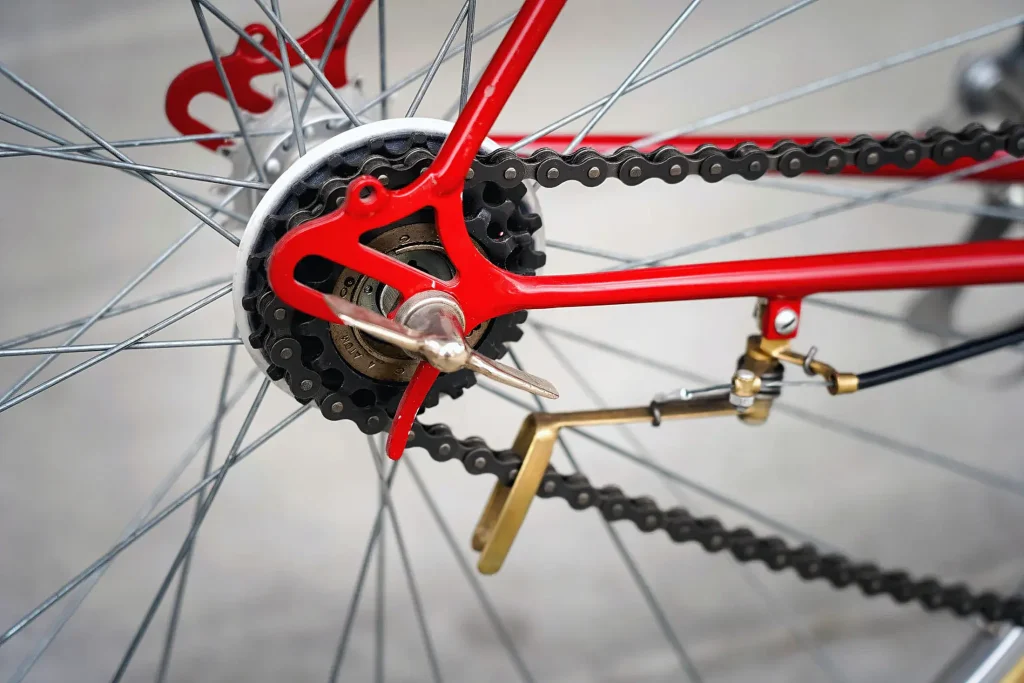
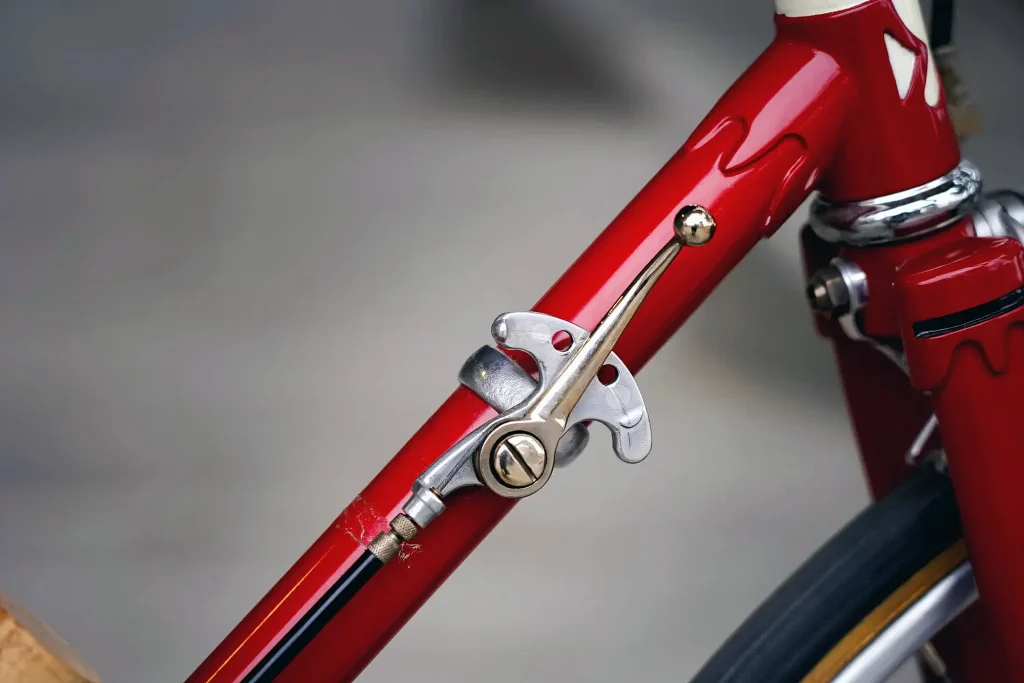
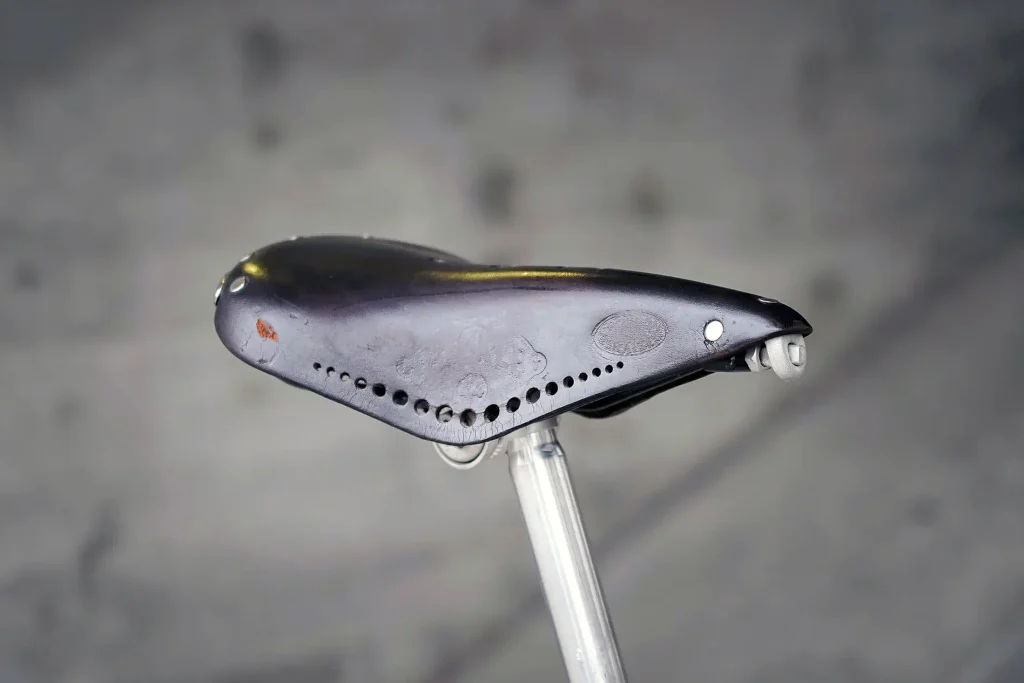
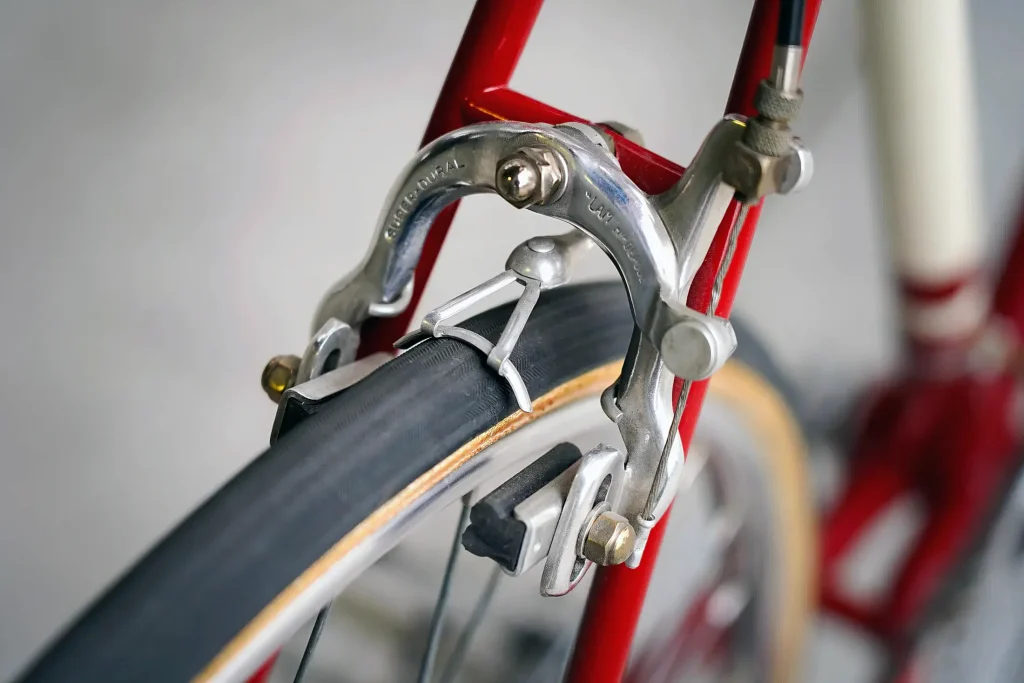
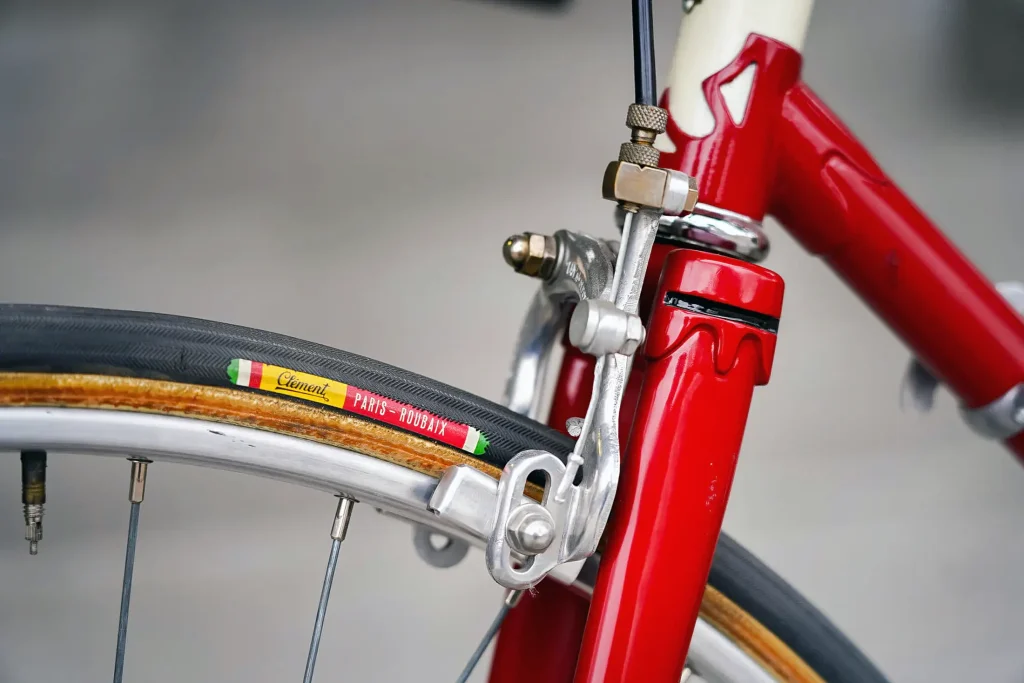
Goer helped Mercier modernize its manufacturing equipment and processes, and ready its production capacity to scale up rapidly and significantly. A Cycles Mercier catalog from 1949 created for the British market notes that 10,000 frames and bicycles were produced per annum in 1920, 40,000 were produced in 1925 and 60,000 were produced in 1928. By the next year, Mercier had manufacturing capacity of “un cadre toutes les 2 minutes 31,” or one frame every 2 minutes 31 seconds, which totals to 208,847 frames per year if everything and everyone operated 24/7/365. In actuality, Mercier produced 45,000 frames in 1929 as noted in the journal of an industry trade association, which while still amazing would represent a downtick compared to the previous year if both figures are accurate.
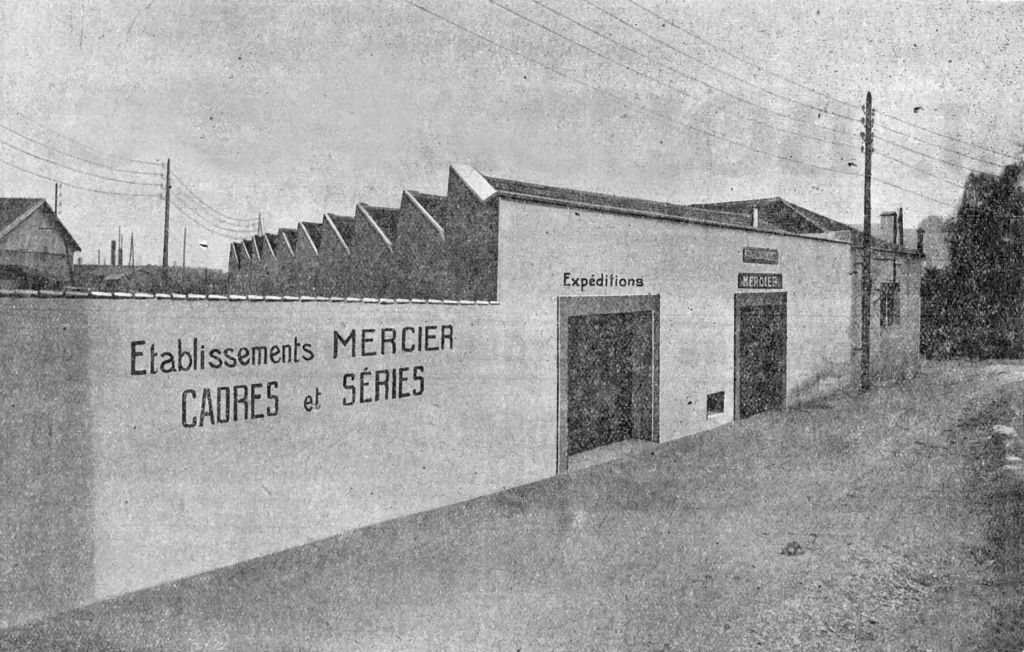
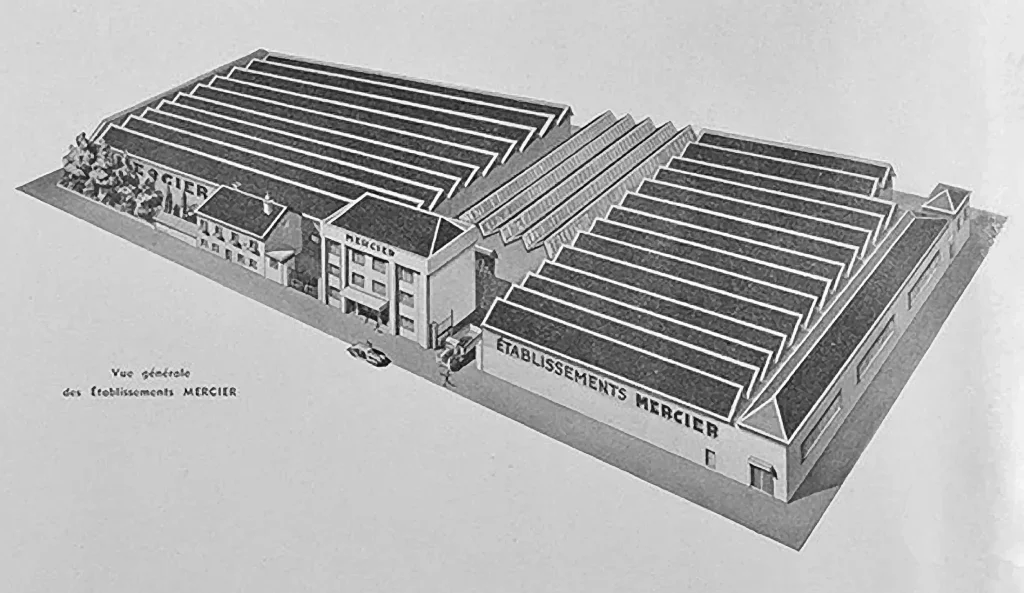
This meteoric growth helped propel the company’s frames and bicycles well beyond French borders, initially to nearby places like Great Britain, Belgium, Yugoslavia, Greece and Spain. Substantial orders were also received from faraway places like the French Colonies (more on that later), Argentina and the United States of America. Mercier thrived through the late 1920s and early 1930s, leading to the company’s first sponsorship of a professional racing team in 1933, at which time it produced 100,000 frames and bicycles per annum.
From Frames to Complete Bikes
By this stage in its corporate development lifecycle, Émile Mercier had recognized the aforementioned successful operating pattern, and the corporate dominance/competitive success die had been cast and now thrown. First, though, we would need to gather up some racing bikes. Perhaps even make some and sell them, too. Cycles Mercier remained a manufacturer of “roadster” and “tourisme” class framesets at the time, working with commission agents to assemble complete bicycles and sending them to authorized area agents for retail sale to consumers, as documented by Bernard Chaussinand in his book, “Mercier, Cycle and Cycling, a Successful Cocktail.”
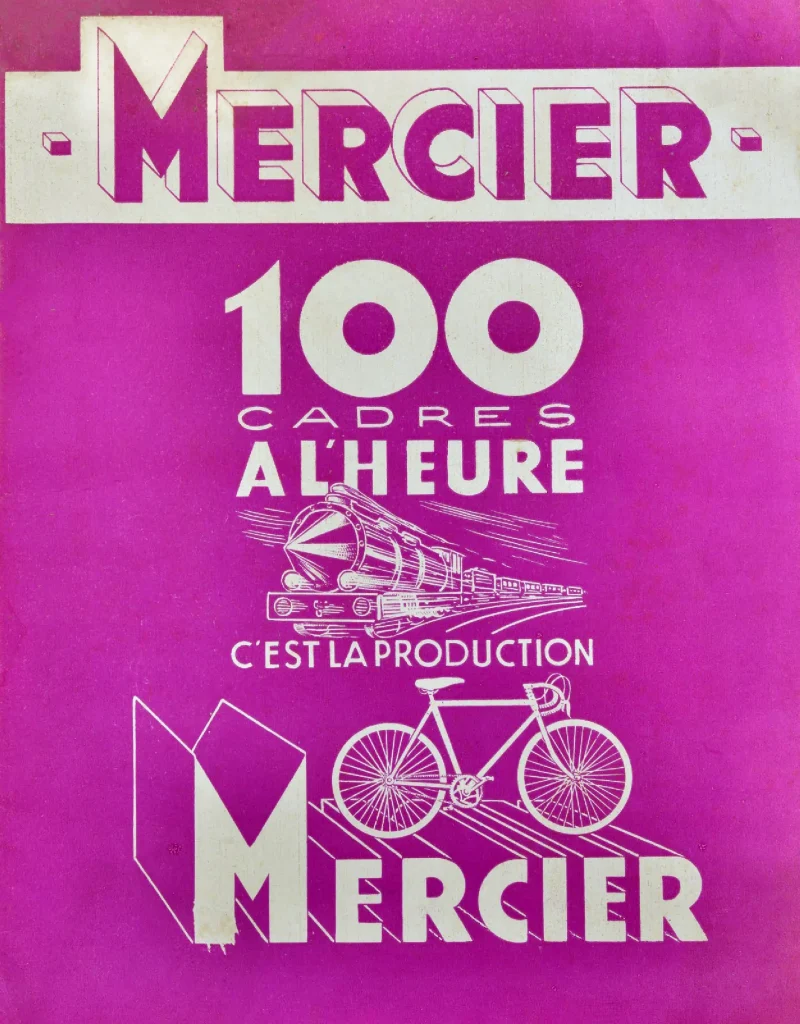
As covered later in this article and in another related Ebykr article, early brands and OEM partners of Cycles Mercier included: Mercier, Francis Pélissier, André Leducq, Lapébie and many others, with frames being produced at the astonishing rate of 100 units per hour (or one every 36 seconds) as proclaimed on the company’s 1938 catalog cover. Mercier was not yet a retailer by then, though. They did not assemble or deliver complete bicycles themselves. It was not until the very end of the 1940s that Mercier began producing and selling complete bicycles, according to Mr. Chaussinand. This is why the initial Mercier racing team had bicycles assembled by others when it was first formed in 1933 – they were simply unable to provide complete, factory-built bicycles themselves.
Lifting Off with the Pélissier Brothers
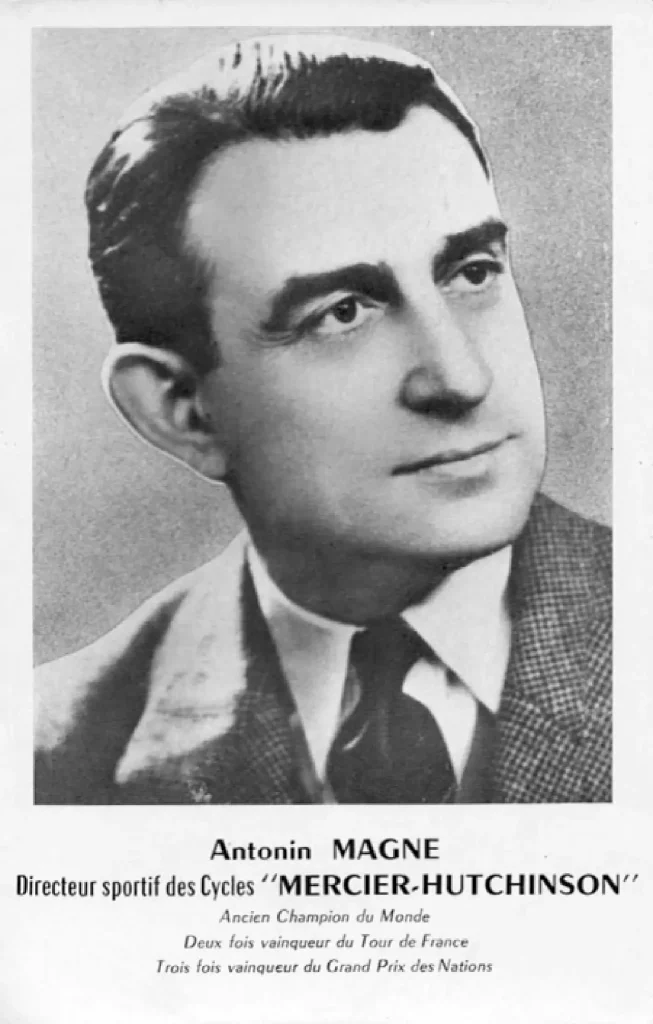
Francis and Charles Pélissier were enlisted to help establish and legitimize Mercier’s racing products and competitive efforts. Already a celebrated racing and manufacturing duo, the Pélissier brothers would bring the expertise and gravitas necessary to start producing top-tier racing bicycles and establish a winning racing team. They would also leverage their extensive cycling network in support of the endeavor, which included legendary team managers like Antonin Magne, himself a Tour de France winner (1931) and World Champion (1934). This collective effort resulted in great success in the marketplace and peloton. (The oldest Pélissier brother, Henri, does not seem to have participated in the effort despite having won the Tour de France in 1923, while Charles and Francis took 20 stages combined but never finished in yellow.)
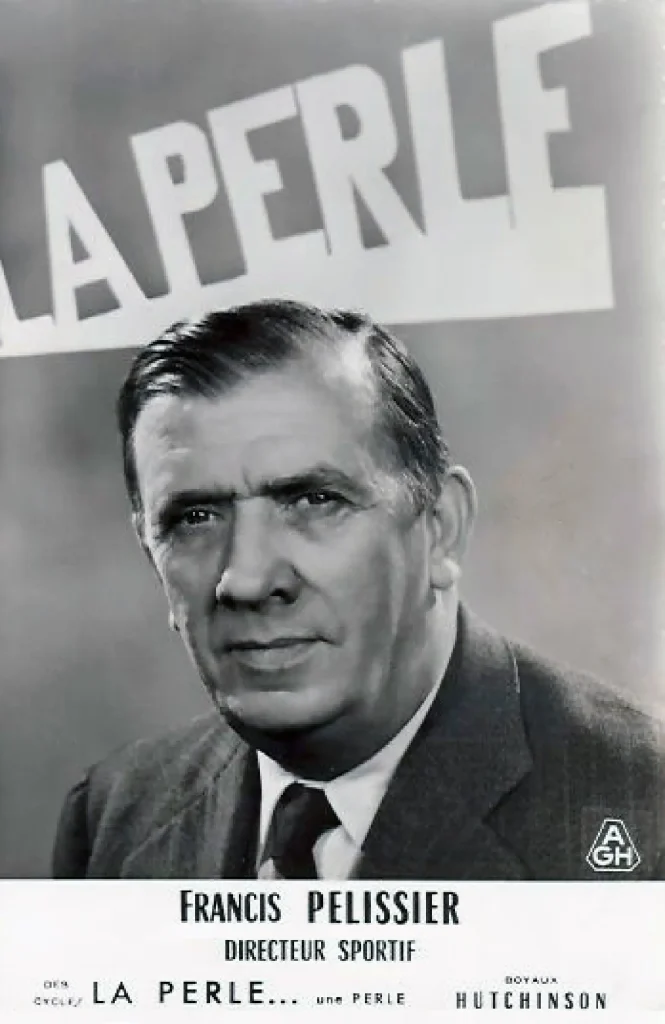
Respect for Francis Pélissier as a designer of racing bicycles was so great that early Cycles Mercier models sold under the “Francis Pélissier” marque created such overwhelming demand that management was forced to implement quotas on shipments to area agents for the first time in company history. As recalled by Mercier in their 1949 British catalog, this was done “… to ensure a rational distribution of their maximum output.” One can almost see Émile himself with his trigger finger on the button used to release another batch of Francis Pélissier bikes, pushing it just in time to prevent another wave of clamoring consumers from knocking down the factory walls. What a great time and place in cycling history.
Mostly. As captured by journalist Albert Londres years before when Henri and Francis Pélissier abandoned the Tour de France in 1924, Henri described that year’s event as a “calvary,” likening it to the place outside of Jerusalem where Jesus was crucified. A big stink arose when Henri Desgrange and his race officials disallowed Henri Pélissier to remove an outer jersey in response to rising temperatures, cementing the nickname of that year’s event as, “The Tour of Suffering.” Henri Pélissier further revealed that some cyclists—including himself and ostensibly his brothers—relied on cocaine for their eyes and chloroform for their gums, hoping to energize and anesthetize simultaneously without veering too far outside of the very, very narrow therapeutic window in which these two medications overlap. Francis Pélissier famously summarized the effort by saying, “we run on dynamite.” These shocking but well attributed quotes illustrate the perilous, drug fueled environment in which Mercier established its first racing team. Ka-Boum goes the racing team!
Feud With Henri Desgrange
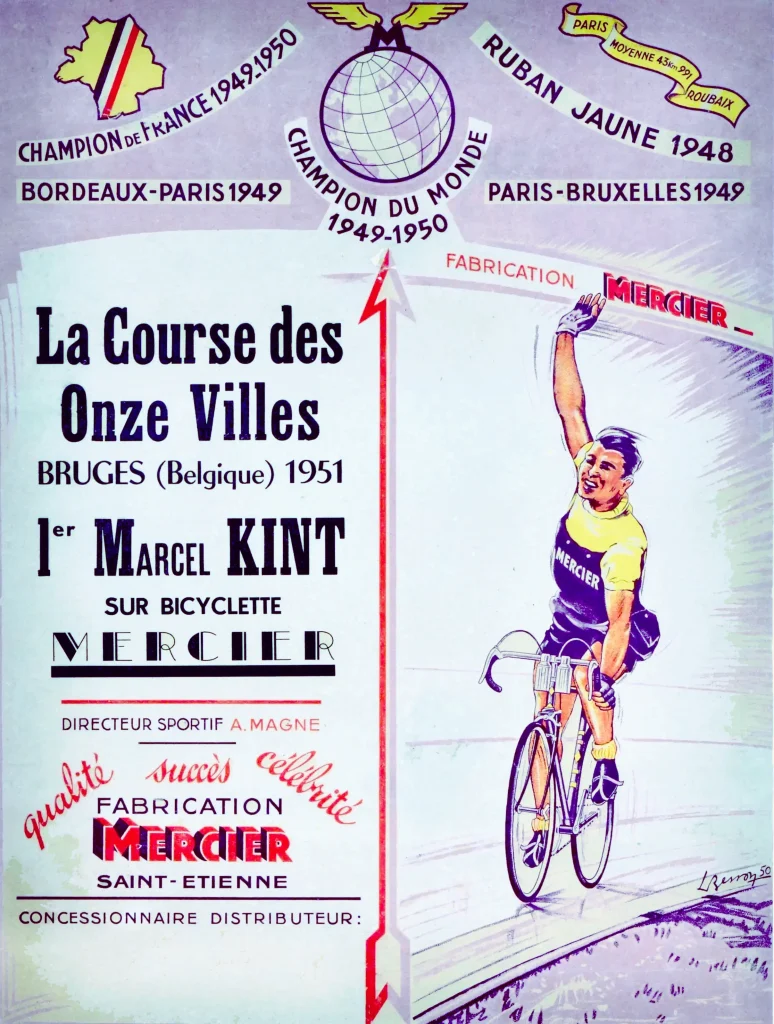
Before moving onto Mercier’s many competitive achievements, it is worth recalling another chapter from the company’s early racing years, which had their fair share of drama much like the later years did, too. This was perhaps best exemplified by Émile Mercier’s audacious battle with the undisputed titan of French cycling at the time, Henri Desgrange. Mercier, ever the ambitious businessman, recognized the value of sponsoring individual riders like André Leducq starting in the early 1930s. However, when Desgrange, the autocratic organizer of the Tour de France and editor of the daily sports paper L’Auto, dropped Leducq from the French team over a “complicated row,” Mercier took it personally and believed it was intended to undermine his hefty sponsorship investment. (Commercial trade teams existed at the time, but individual riders still needed to be selected for and compete with a national team at the Tour de France, at least during specific periods like the mid-1930s through the mid-1950s.)
When Mercier made the mistake of engaging lawyers, Desgrange countered not with legal maneuvering, but with an escalating series of editorial slights conducted mostly in jest. Desgrange famously ordered his staff never to spell Mercier’s name correctly, leading to a glorious series of public errors printed in the national press that culminated in the ultimate cycling diss: after printing “Monsieur Gercier” and then “Monsieur Mervier,” L’Auto outdid itself by correcting the mistake in a pretend letter to the editor penned by Mercier declaring the aggrieved party “insists that in fact he is known as Monsieur Merdier,” a deliberate reference to the French word for “shit.” These outrageous journalistic insults, delivered daily to an adoring audience at first, fizzled out in time. They also did little to discourage Mercier from pursuing a sponsorship dynasty that would come to define his namesake company and propel its commercial success over the next five decades.
Peloton As Path to Pocketbook
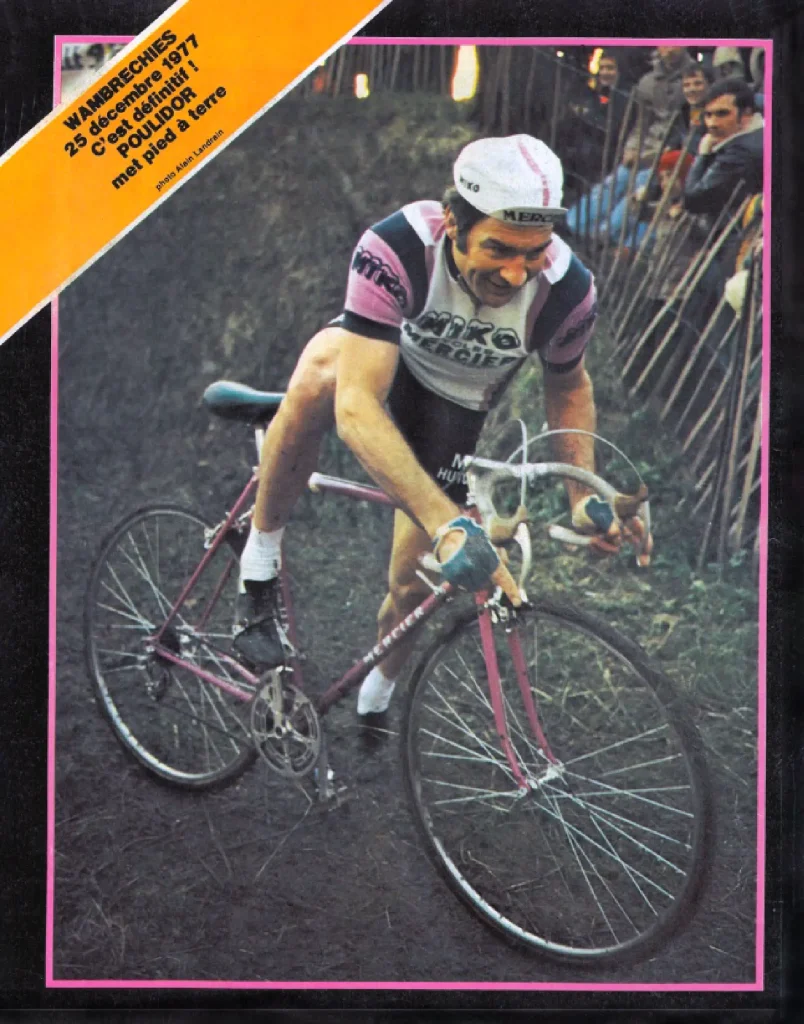
Cycles Mercier was well represented on the roads and paths of France in the 1960s thanks in particular to Raymond Poulidor, who raced with the Mercier team from 1960-1977. His stage race victories included the Vuelta a España grand tour and his one-day victories included the Milan-San Remo monument classic, among other major wins in his career. Poulidor’s victories never included the Tour de France, though, where he podiumed a record eight times and came to be known as, “The Eternal Second.” Such is the curse of living in the same historical timeline as both Jacques Anquetil and Eddy Merckx, two of the winningest bicycle racers ever to push the pedals.
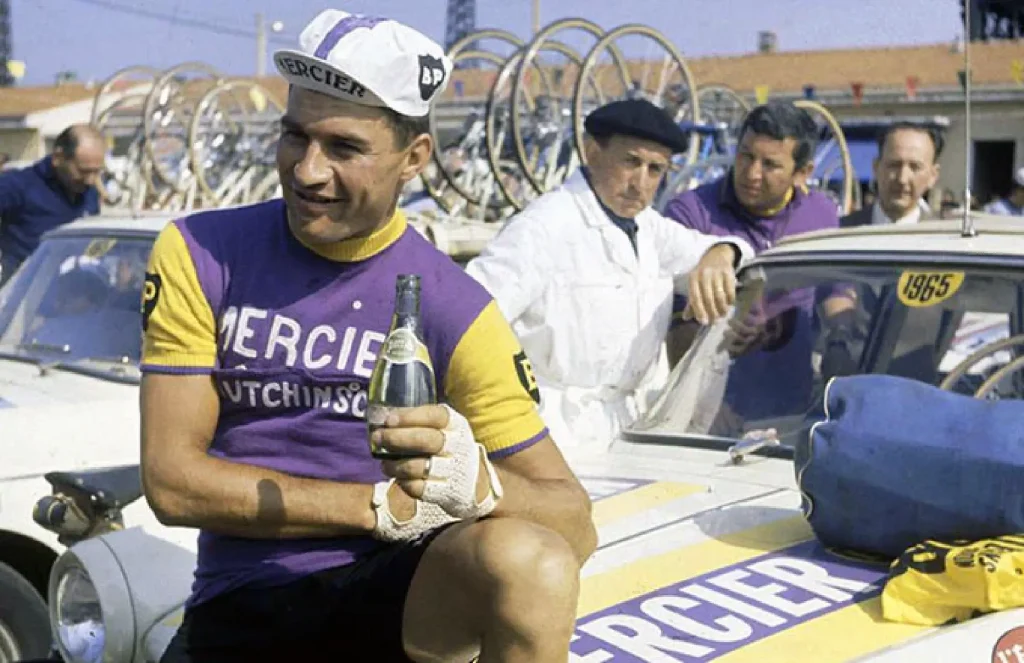
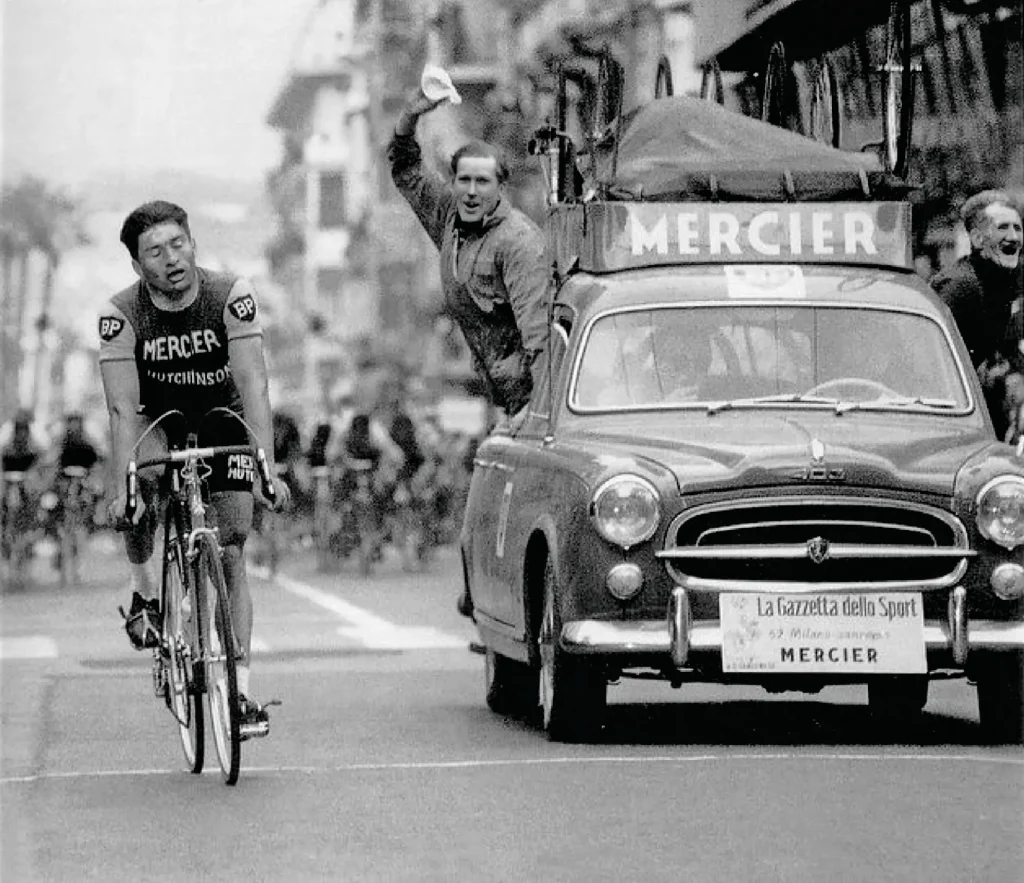
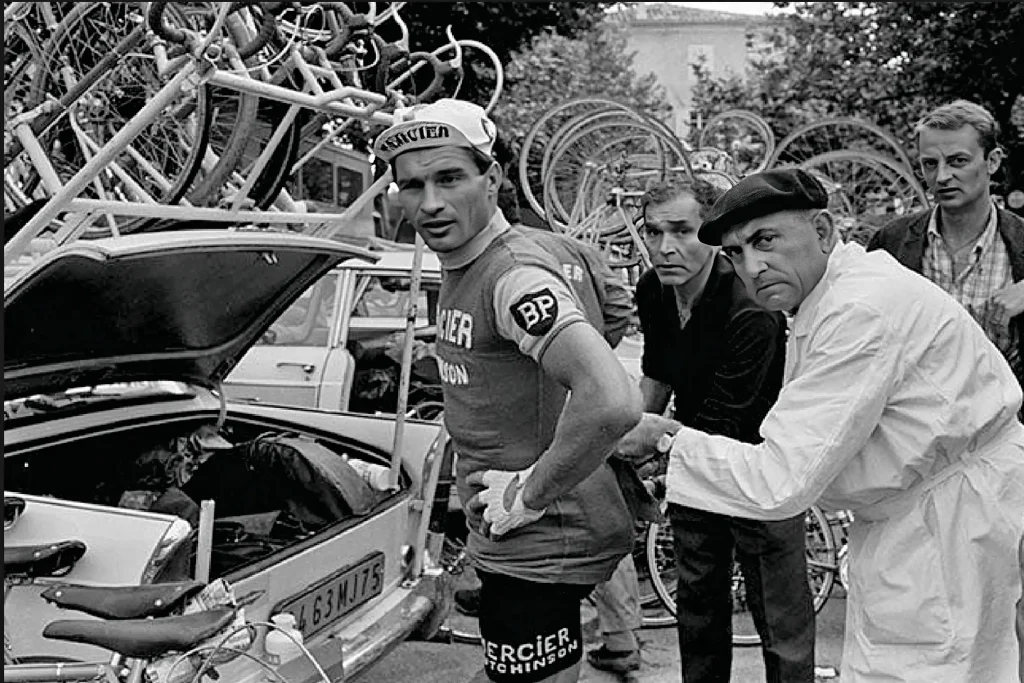
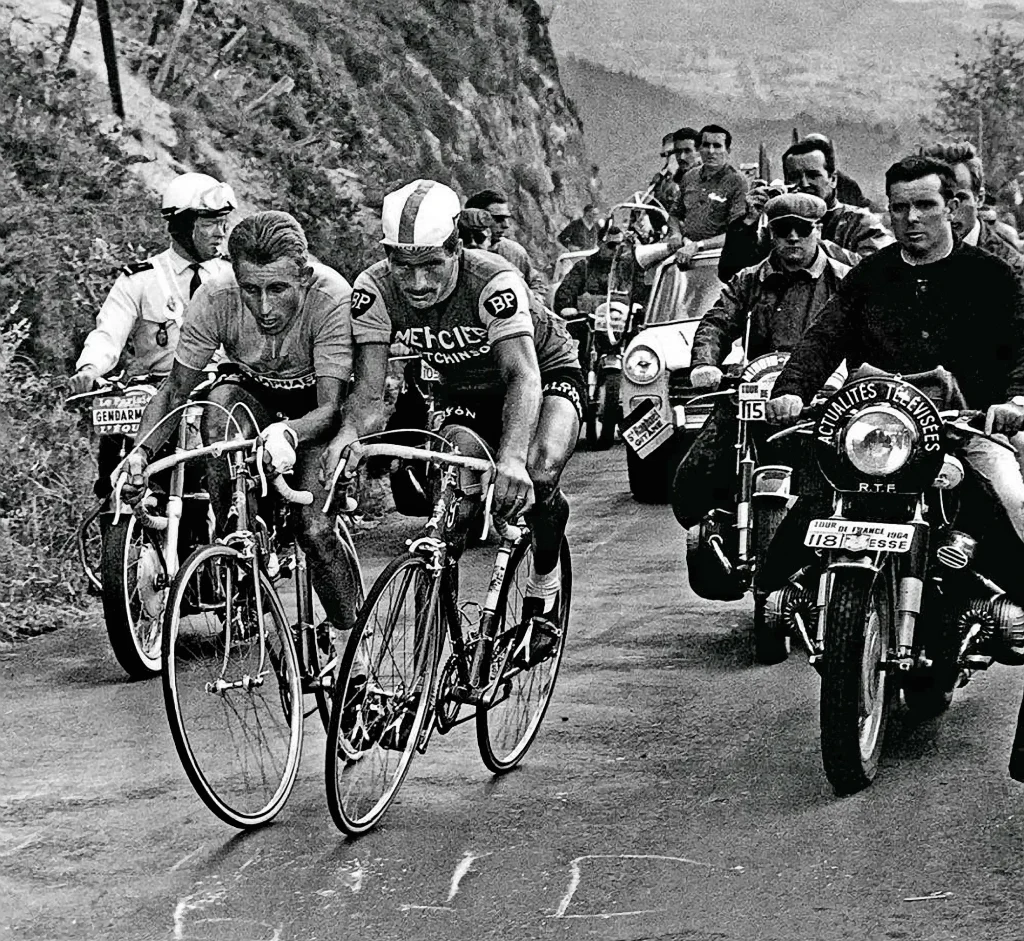
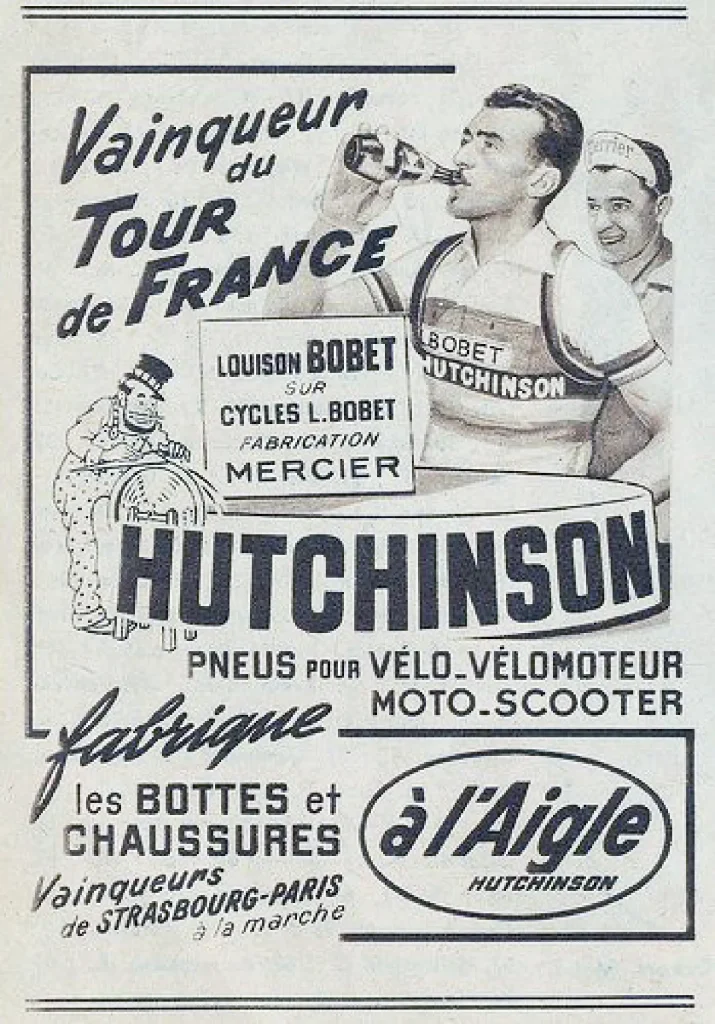
Other Mercier team riders, in their distinctive purple jerseys with yellow sleeves, achieved significant success long before and somewhat after Raymond Poulidor, collectively fielding multiple world-class champions across several generations. Early in its history, the team included legends like Louison Bobet, who won the Tour of Flanders and Paris-Roubaix in the mid-1950s, adding to his three Tour de France victories achieved on the French national team. Even though Bobet was part of the Magne-directed Mercier team, he often rode his Bobet-Hutchinson jersey and his own brand of racing bicycles. Later in its history, the team found renewed grand tour success with Dutchman Joop Zoetemelk, who won El Maillot Rojo at the 1979 Vuelta a España and repeatedly finished on the Tour de France podium, wearing the yellow jersey in both the 1978 and 1979 editions.
The Mercier racing team frequently dominated smaller but crucial stage races, with Zoetemelk winning Paris–Nice three times and Poulidor winning it twice, and they consistently took major one-day classics with riders like Rik Van Steenbergen, Cyrille Guimard and Barry Hoban, who also contributed a substantial number of the team’s 40+ stage victories in the Tour de France. (Take that, Desgrange!) Only venerable Peugeot would best this number during the Tour’s trade team era, with its 123 stage wins notched between 1904-1989. Given the ever-shifting sands under today’s pro teams and their sponsors, it is difficult to see how these numbers will be challenged anytime soon, unless of course your initials are TP and UAE (with 21 and counting), their non-factory trade team status notwithstanding.
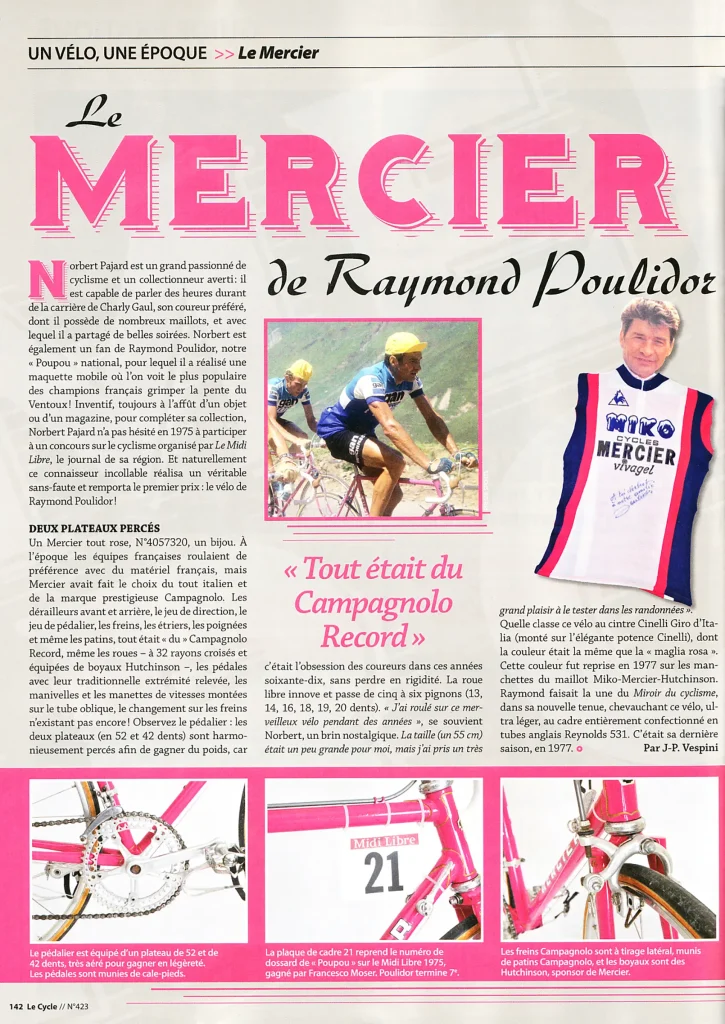
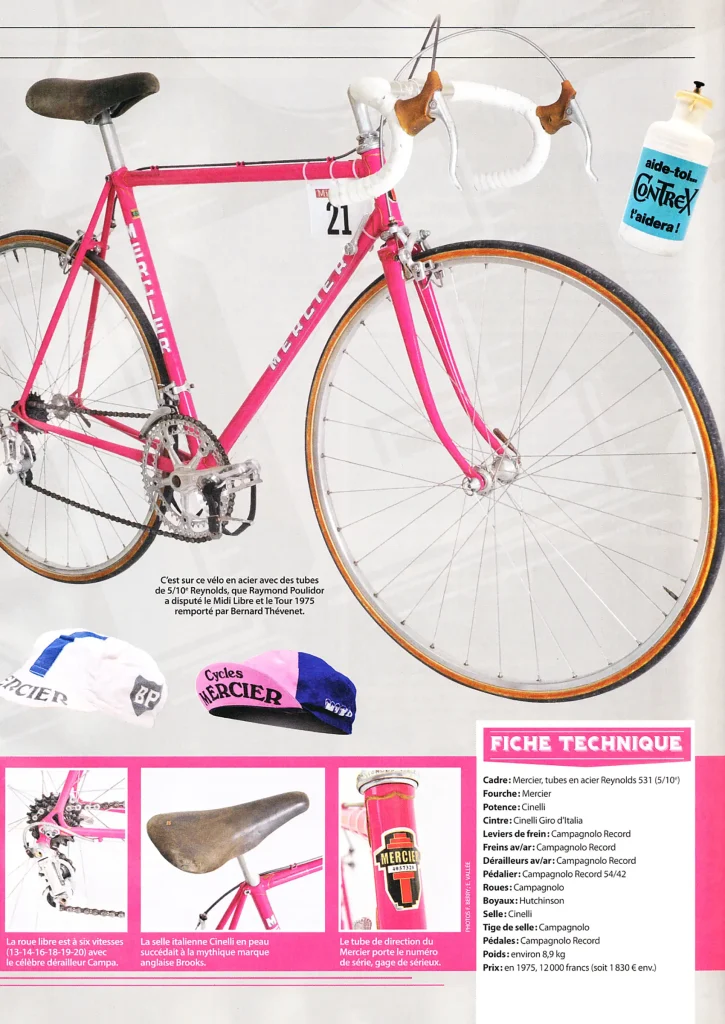
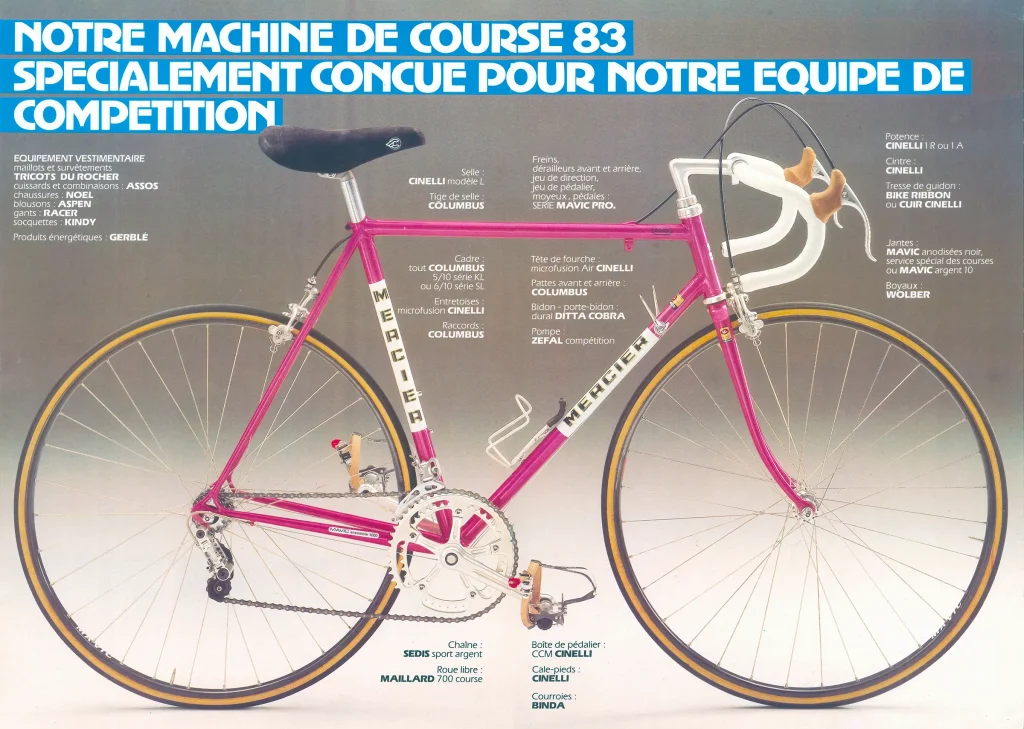
For its bright but small part in Cycles Mercier racing lore, that distinct jersey (and matching frame) color migrated from a subtler purple-ish hue to a more garish pink-ish “enamel violet” hue over the years. This was done to better contrast the team’s trademark color with all of the flat colors more commonly associated with other pro teams on older television screens. How very thoughtful for a bike company.
Scaling Up, Scaling Down
Cycles Mercier maintained its manufacturing base in the Saint-Étienne area throughout its most successful years. Other than a brief foray into vélomoteur production from 1950-1959, Mercier exclusively manufactured bicycle framesets and then complete bicycles. In the early 1970s, the Mercier factory cranked out around 120,000 bicycles annually, one third of which were exported. Mercier bicycle production reached its peak in 1975 when 150,000 bicycles rolled off the company’s Saint-Étienne assembly lines. Sadly, Émile Mercier died in 1973 at age 74 and never realized this crowning achievement himself, despite having assembled the many pieces necessary for it to occur. By then, both of Émile’s brothers had passed away, with Constant crossing over in 1953 and Marcel in 1960.
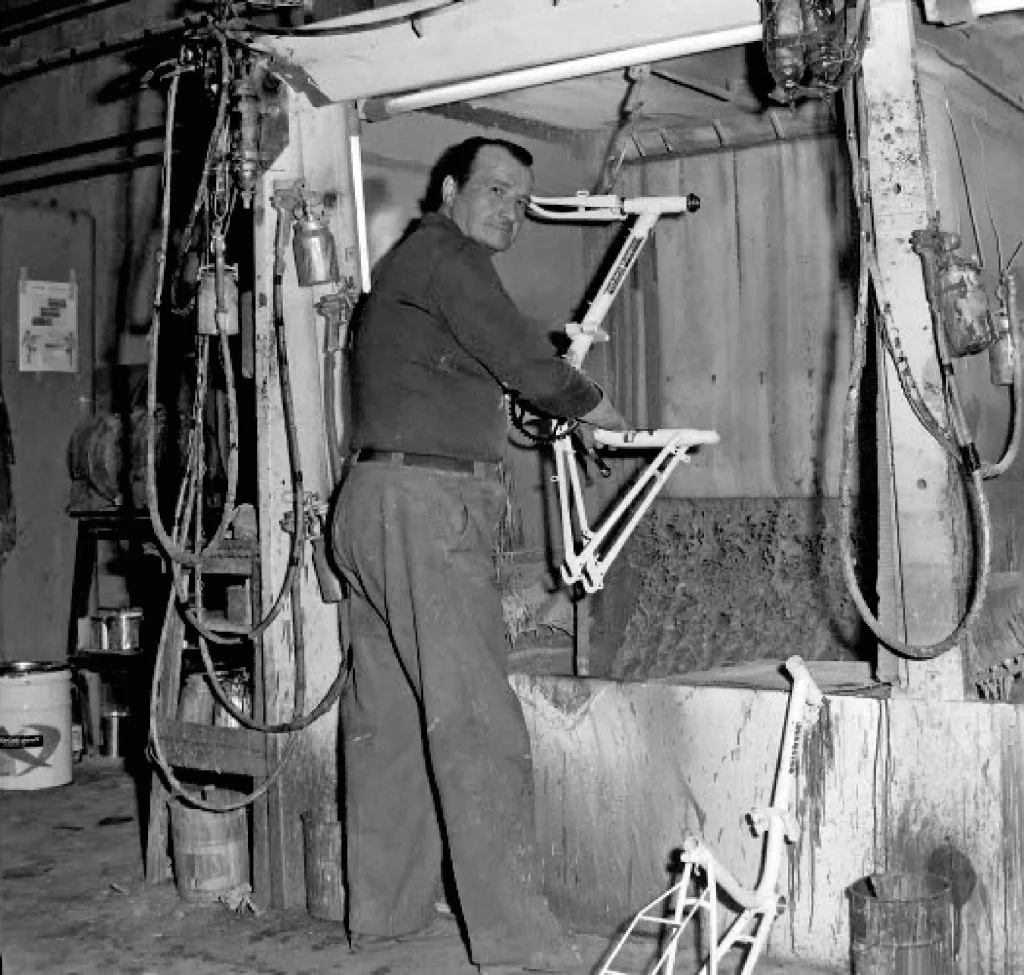
Later in his storied career, Émile Mercier would be given the nickname “The Emperor” by some of his employees, a label assigned to their boss for his sometimes harsh, authoritarian management style. This label was perhaps best exemplified by the fact that Émile Mercier would be shuttled to and from work each day in a chauffeur-driven limousine between his fancy villa and the comparably austere Cycles Mecier factory, located just a short kilometer away from each other.
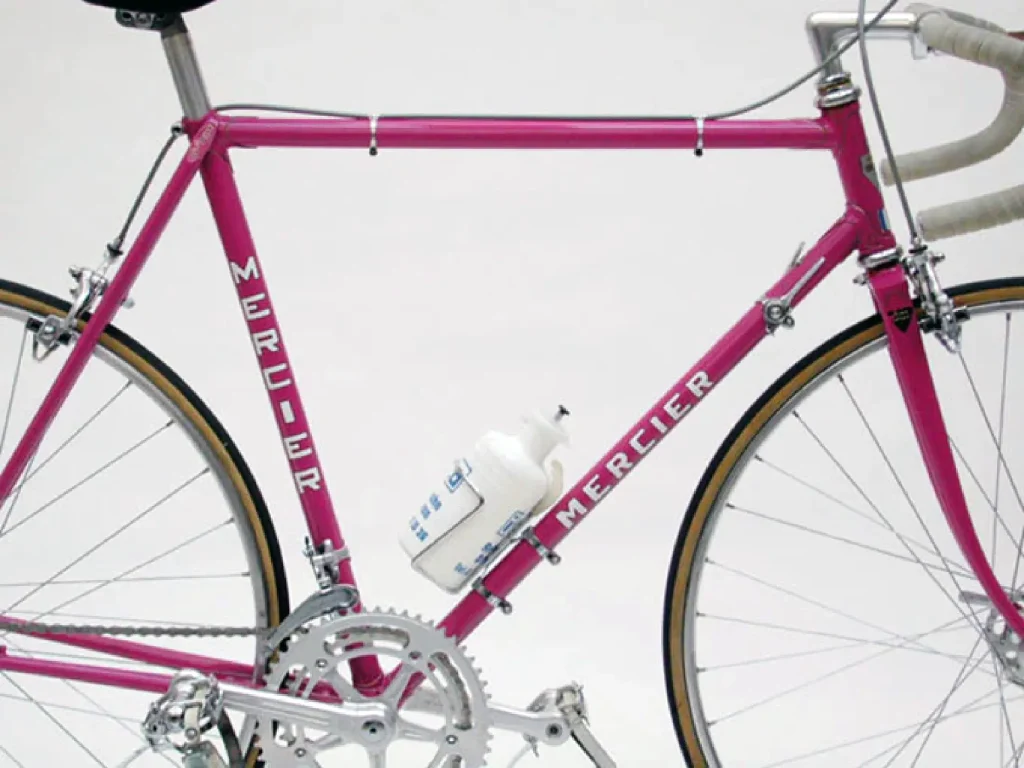
A relatively brief but tumultuous decade after the company’s 1975 production peak, a recently reconstituted Cycles Mercier company would file for bankruptcy in November 1985, only to be reconstituted again in July 1986 by some of its 400 former employees. Mercier and many of its French counterparts in the late 1970s and early 1980s—Peugeot, Gitane and Motobécane included—could not adapt fast enough to the combination of high-volume, low-cost production from Asia and the technological dominance of Japanese components. Think Fuji, Miyata and Nishiki, with their outstanding value, proportional sizing and cotterless cranks. Think Shimano and Suntour, with their SIS and V-GT breakthroughs. And the hits just kept coming, one after another, year after year.
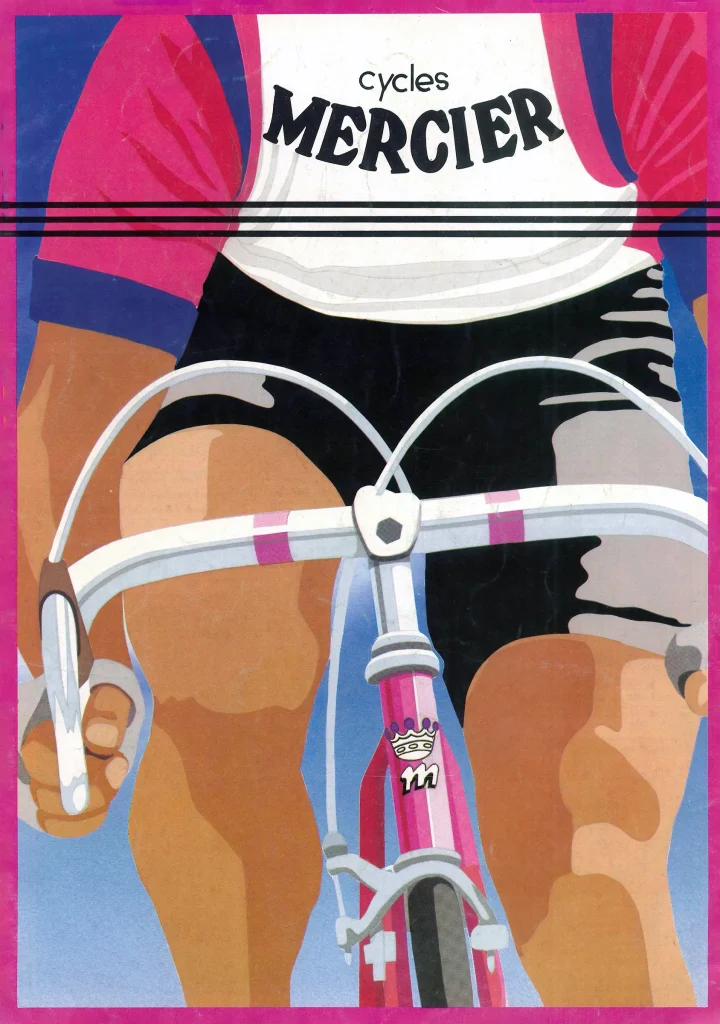
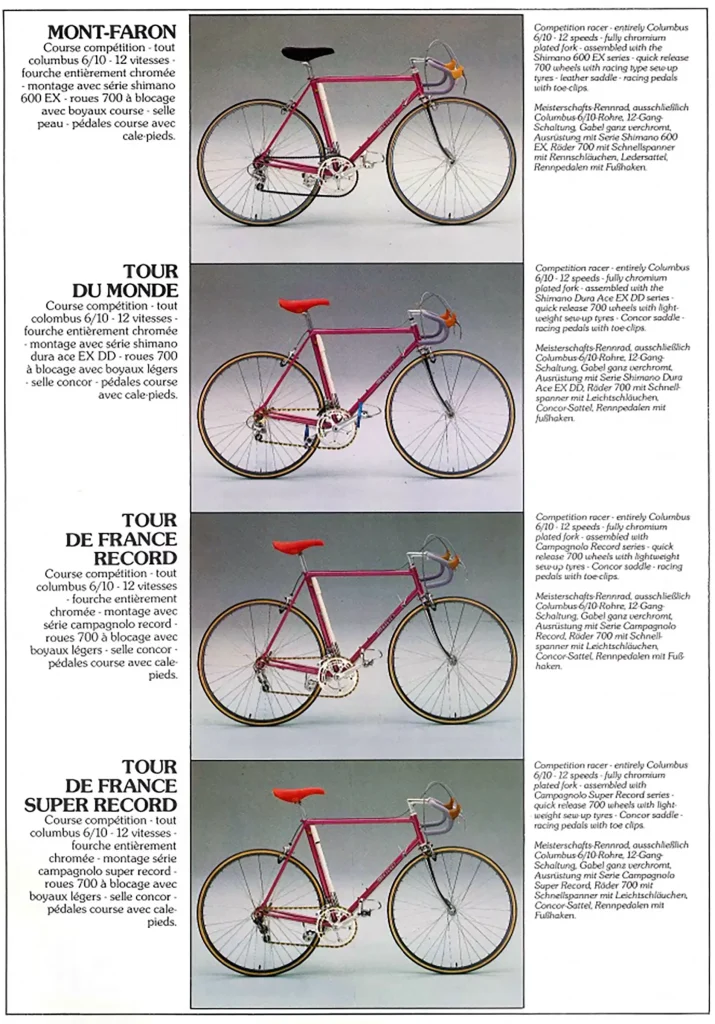
Smack dab in the middle of those corporate fits and starts, sometime during the winter of 1983-1984, a committed mother named Linda Armstrong visited her local bike shop in Plano, Texas, named the Richardson Bike Mart. There she made a great personal sacrifice and purchased the shiny, new Mercier racing bike displayed in the shop’s window for her then 12 year old son, Lance. And so another star was born, on a Mercier that was proudly marketed as being, “light as a feather.” Imagine how thrilled a young Lance Armstrong must have been!
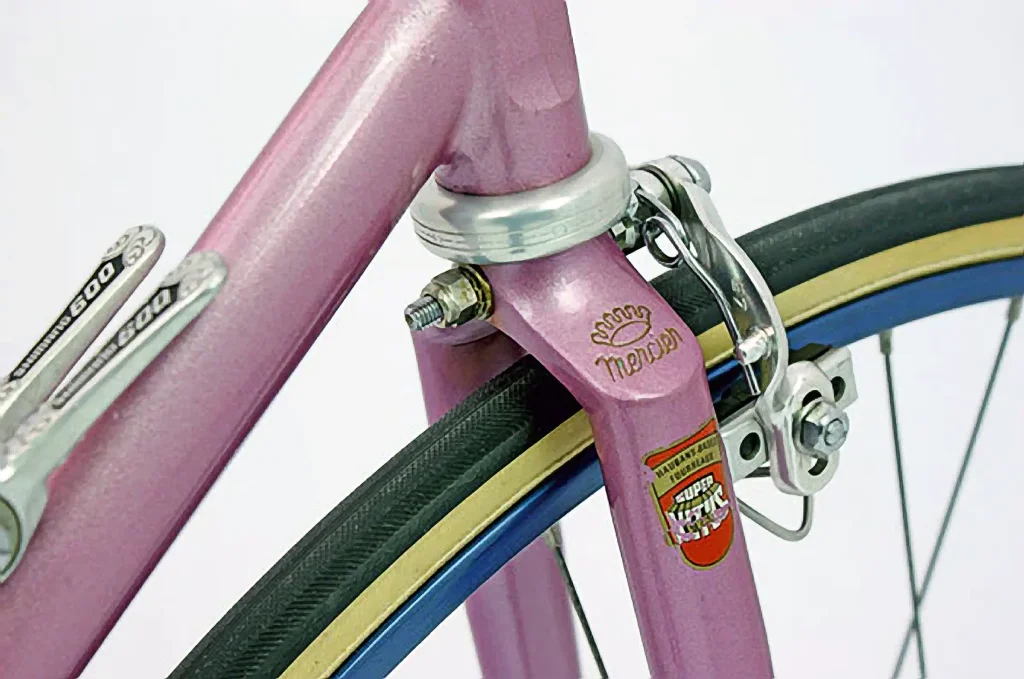
Still in the fight in the late 1980s, the newly-reestablished Mercier company was renamed Mercier France-Loire and it shifted its strategic focus to the mass (large retailer) distribution of affordable bikes that included MTBs and children’s models. That company closed its doors in 1991 due in large part to ever-increasing foreign competition from countries like Japan and Taiwan. Mercier France-Loire was acquired by a Dutch group named Atag, which later became Accell, after which the Mercier brand underwent another rather unceremonious transfer of ownership to Starship Investments in 2008.
Earth to Starship: Anybody Home?
Which calls to mind another chapter in the Mercier story. Starship Investments attempted to return Mercier bicycle manufacturing to France in 2021, with the debacle providing a cautionary tale that contrasts nicely with the original Mercier’s historical brand awareness and market success. Jean-Marc Seghezzi, president of Luxembourg-based Starship Investments, announced plans in February 2021 to relocate bicycle production to Revin, in the Ardennes. The project was set to take over an abandoned government site and be named “Poulidor” in honor of Raymond’s significant contributions to the sport, complete with his family’s agreement. Then the project was abruptly canceled in July 2021 because state services identified integrity issues with certain stakeholders, making it impossible to commit critical public funds.
Investigations suggested Seghezzi was being targeted by multiple international and French inquiries, including a preliminary investigation for tax fraud related to circumventing anti-dumping duties on bikes from China by falsely claiming they came from Sri Lanka. His name was also cited in the Offshore Leaks Database related to the Panama Papers. These events caused immense disappointment and frustration among local politicians and residents in Revin, sinking the project for good and sending everyone home with nothing. Today, Starship Investments seems to be squeezing every last drop of blood from the storied Mercier bicycle brand and good name.
This sunset chapter would seem to put the Cycles Mercier story to bed all nice and neat, were it not for a trio of truly outstanding (yet little known) entries in the company’s historical archive…
And Finally, the Big Reveal(s)
Mercier had numerous sub-brands and original equipment manufacturer (OEM) agreements to supply other brands with their framesets and/or bicycles. According to TonTonVelo user Dani and others, there were no fewer than 25 such sub-brands and agreements over the years, listed here in somewhat historical order:
Mercier, La Greve, Fééric, PM, Mercier Ribaud, Inter (via Ribaud), Monspor (via Ribaud), Francis Pélissier, A. Magne, Emcy, Fremer, André Leducq, Archambaud, Goer, Cote d’Azur, Georges Spiecher, René le Grévès, Cycles Méca Mercier, Mercier Méca Dural, Duravia, La Perle, Lapébie, Louison Bobet, Bebe Lune and Spoutnik. Be sure to check out the related Ebykr article, Cycles Mercier History: Sub-Brands and OEM Relationships, which expands on these brands and their relationship with Mercier wherever related information is available.
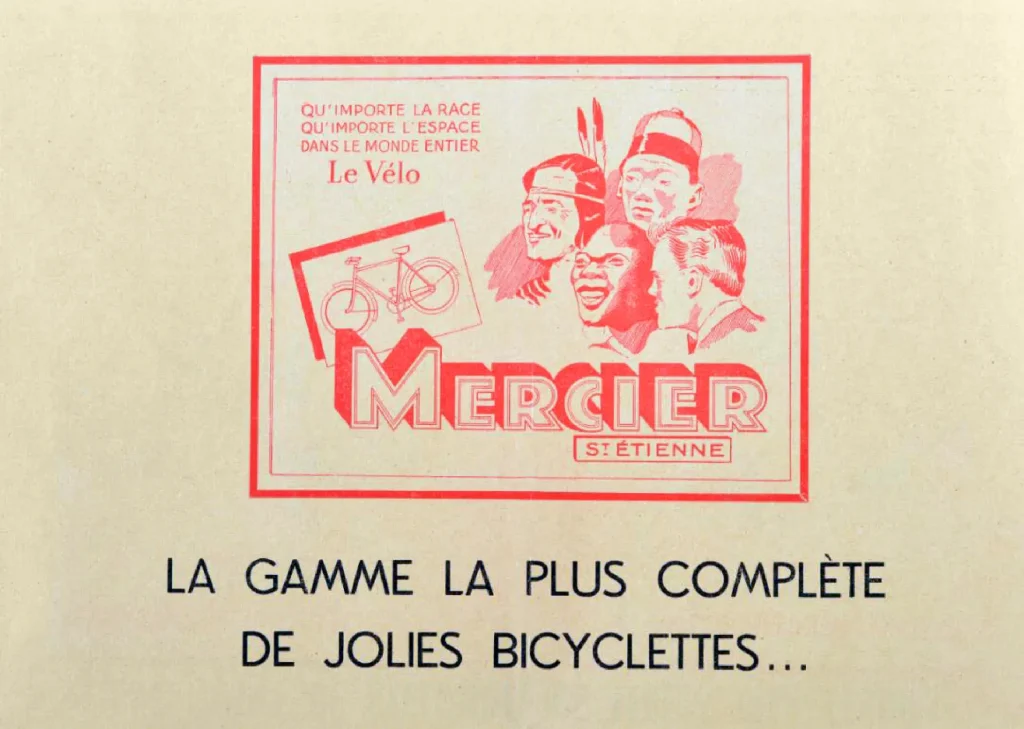
While it remains unknown whether several of these brands were wholly-owned subsidiaries or OEM-based relationships, one thing is for certain: Mercier was a master of marketing and brand management. Supplying 25 different brands with framesets and/or bicycles was likely unmatched until the 1980s, if even then, when massive centralization of manufacturing was consolidated by a few key Asian OEMs like Giant (Trek, Schwinn, Colnago, Bianchi) and Merida (Specialized, Centurion, Felt, GT) that remain dominant today. Sound familiar?
Mercier Méca Dural Spotlight
Bicycles with aluminum framesets have been produced and marketed since at least 1895, when Rupalley and then LU-MI-NUM Cycles introduced their pioneering models. These are generally cited as some of the earliest examples of aluminum bicycles, though there is historical evidence to suggest this actually goes back to the fall of 1891 when P. Fageot of Lyon introduced a bicycle with an aluminum frame, thus becoming among the very first documented constructeurs to benefit from new discoveries in aluminum alloys and related welding processes.
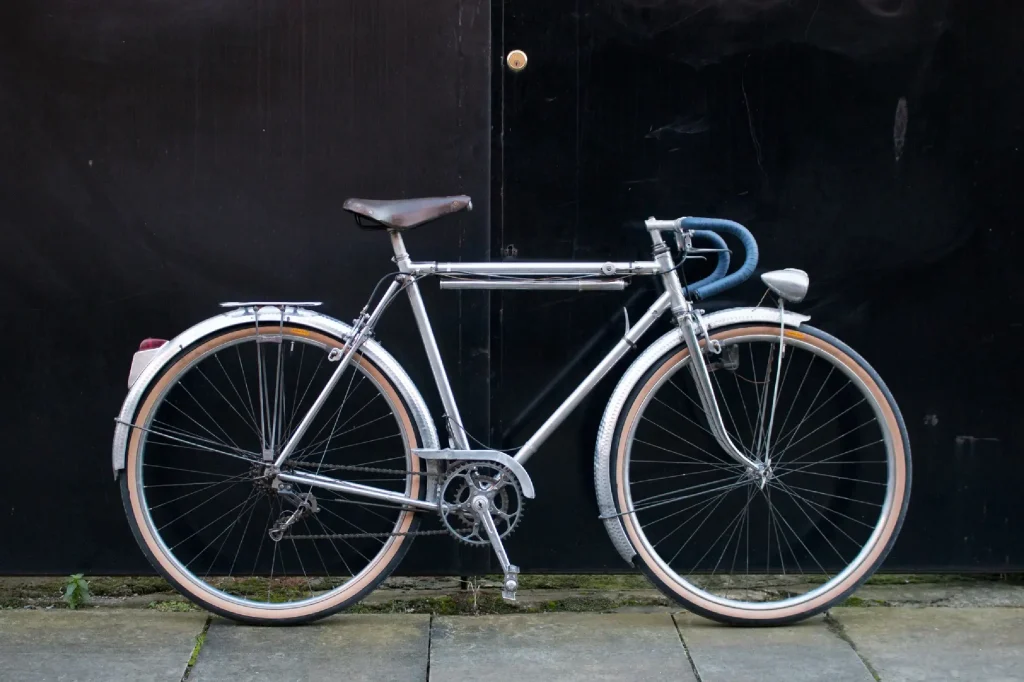
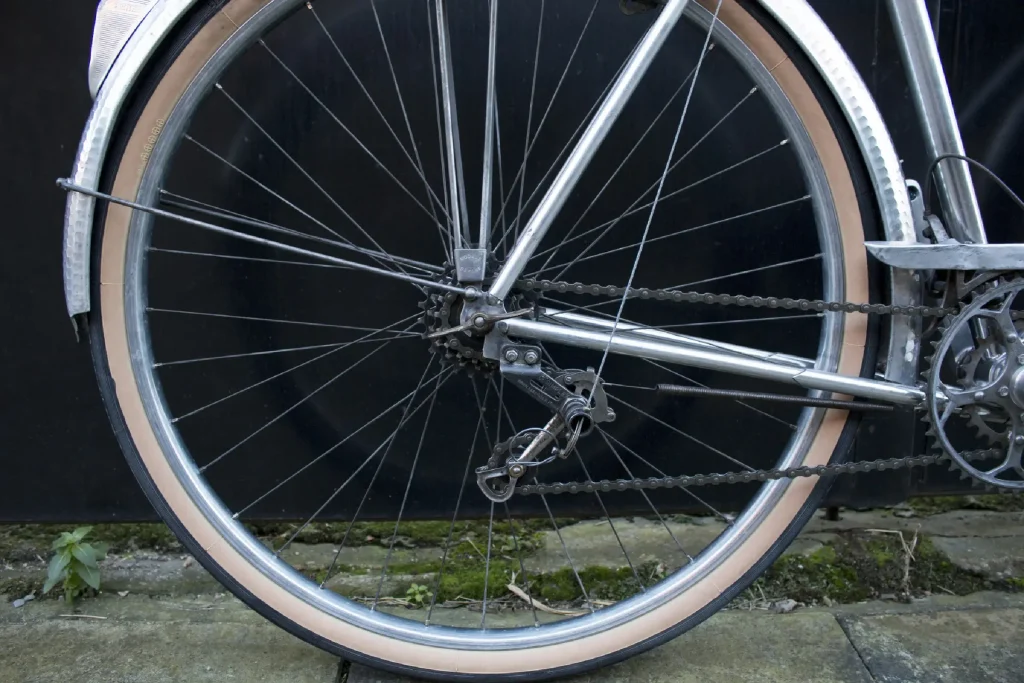
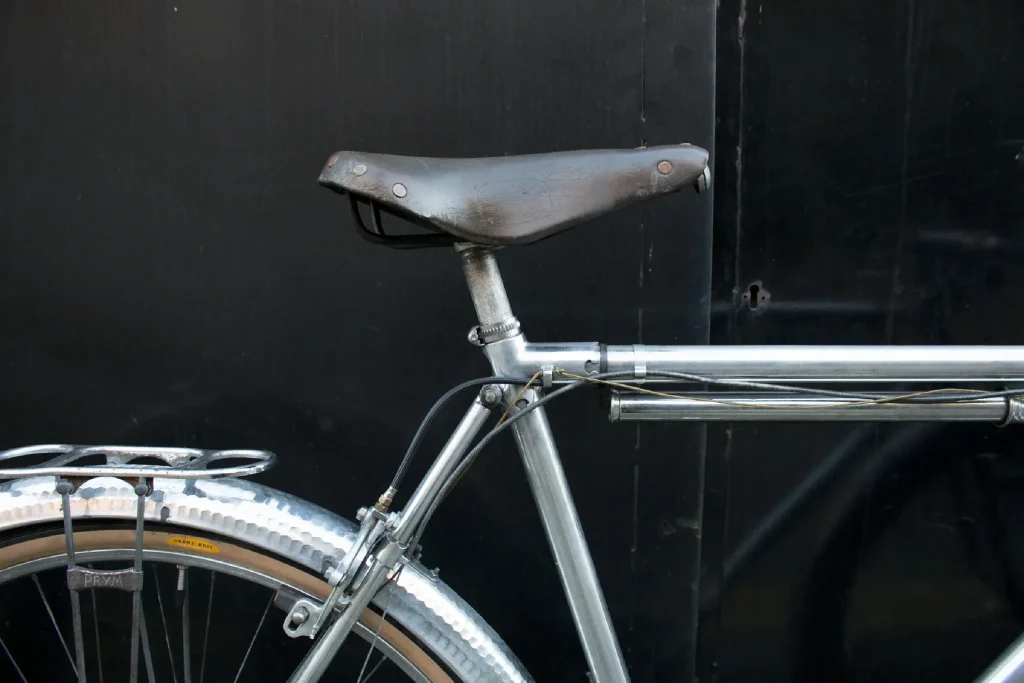
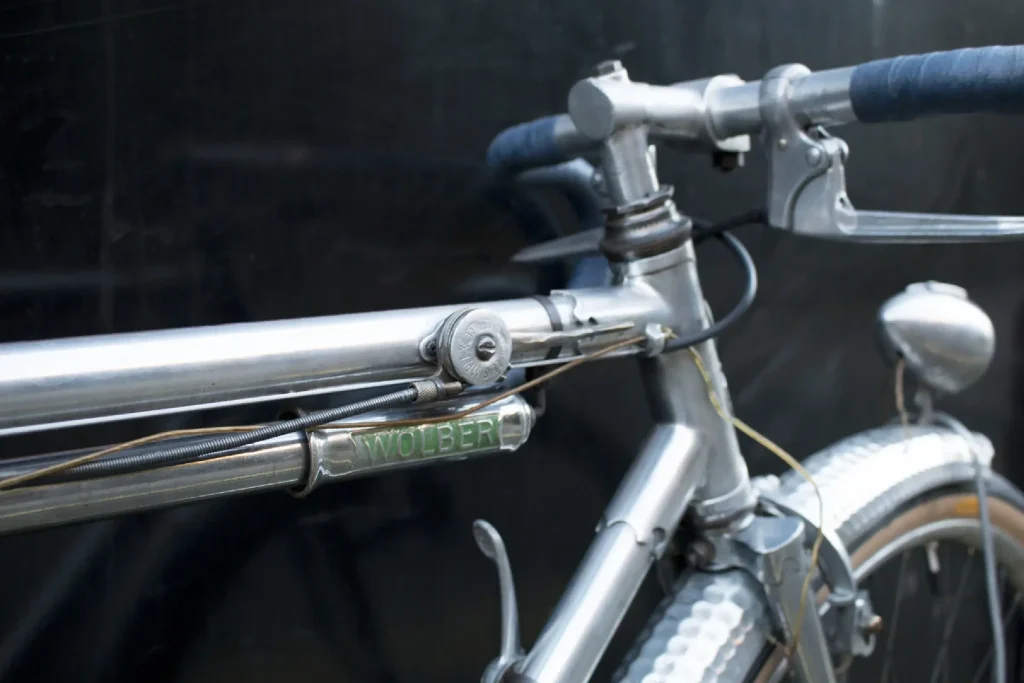
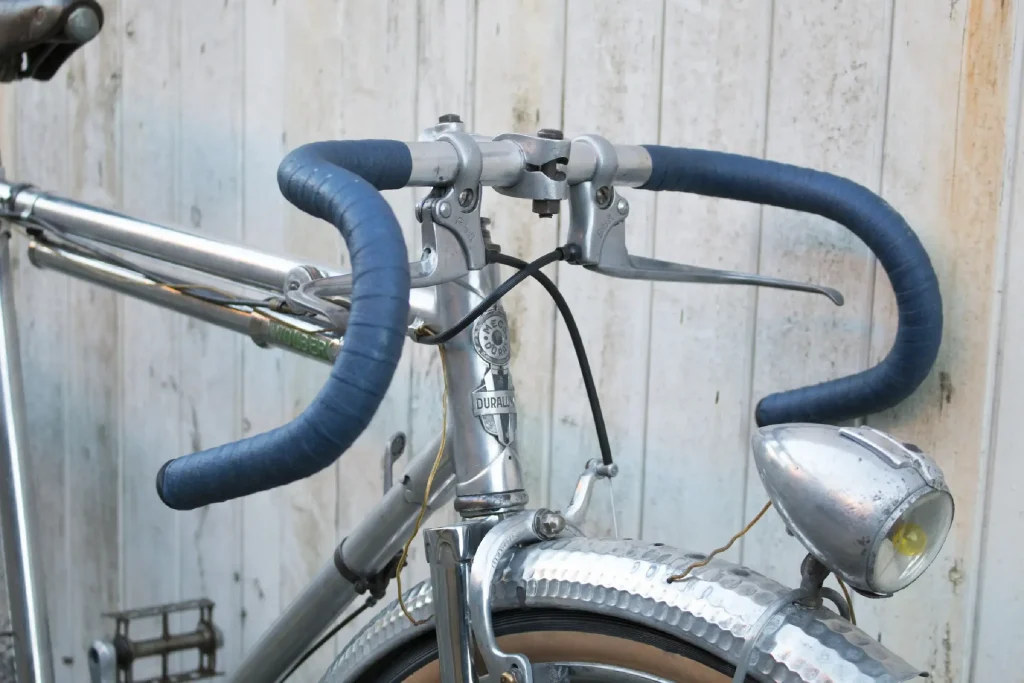
What are today collector-worthy Mercier Méca Dural aluminum models did not always start out that way. Méca Dural frames used internal, cone-shaped connecting blocks (or clamping lugs) that expanded inside of Duralumin tubes to hold everything together by clamping force. This allowed the frames to be assembled in different size configurations with ordinary tools. Paradoxically, Méca Dural frames were also used alongside countless Peugeot and Gnome & Rhône models to help overthrow French colonial rule during the French-Viet Minh conflict in the 1950s. How self-defeating, if not every bit the right of the native Viet Minh to challenge their foreign occupiers by repurposing whatever tools were available, irony be damned.
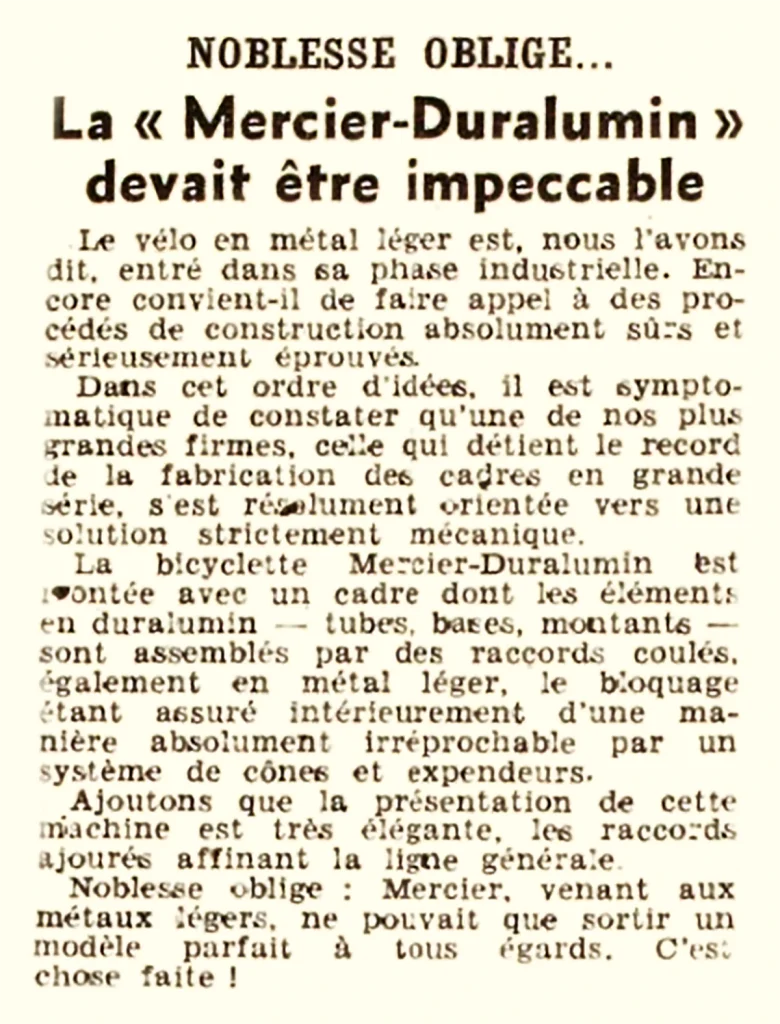
In a parallel irony years before, the Hindenburg disaster in 1937 led to a massive surplus of Duralumin when the airship was scrapped, which subsequently increased its use in bicycle manufacturing after World War II. Mercier was the main manufacturer of Méca Dural bicycles at the time. The sub-brand filled a market gap for buyers of aluminum framed bicycles who could not afford very high-end Barra, Caminargent (with their distinctive octagonal tubes) or other bespoke aluminum models. This would position the Mercier Méca Dural line as a distinctly mid-range aluminum offering relative to some of its upmarket competition.
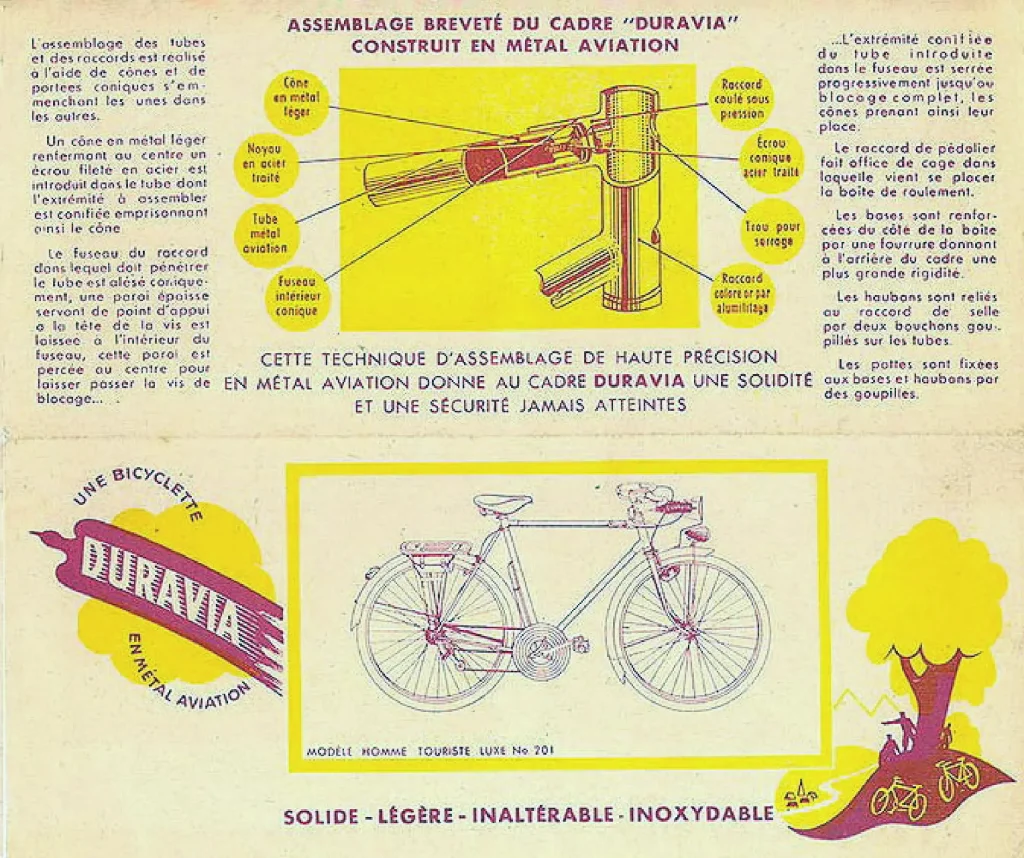
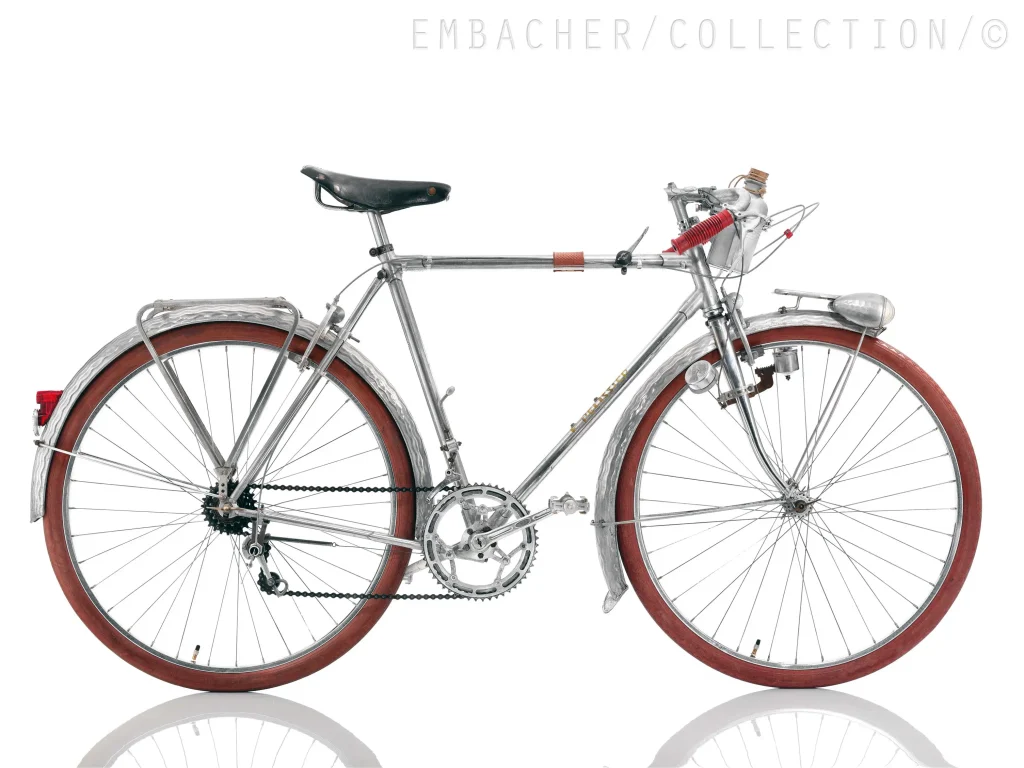
Mercier supplied complete Méca Dural models to other companies, who would then add their own branding to an otherwise white-label finished product. Bike builders could also buy Méca Dural framesets, and add their own choice of branding and components. Higher-end, lower-volume OEM partners like Charles Dupont’s Duravia and Francis Pélissier’s La Perle fell somewhere in here. These and related efforts made Mercier’s Meca Dural among the most successful mid-century aluminum bicycle platforms, if not the most successful.
Méca Dural as Tool of Insurgency
During World War II and for several years afterward, the development of the bicycle as a popular means of transport allowed Mercier and others to manufacture large production runs. Astonishingly, Mercier’s Méca Dural sub-brand exported between 300,000 and 400,000 units to French Indochina (now Vietnam) between 1945-1950. Even more astonishingly, the Viet Minh subsequently recovered thousands of these bicycles and used them against French-backed forces in key regional battles.

The peak historical demand and most infamous use of these reconfigured battle bicycles occurred during the Battle of Điện Biên Phủ (March 13-May 7, 1954), which led to French surrender and withdrawal. The Viet Minh forces used thousands of French bicycles—including many Mercier and Méca Dural models—as critical logistical tools to supply their troops and artillery. Nicknamed “Steel Horses” (những con ngựa thép), itis estimated more than 20,000 bicycles were modified into such pack bikes (xe thồ) to carry extraordinary loads of 200 kg (440 lbs.) or even more over time. This was done over rugged jungle trails, often under the cover of leafy camouflage and darkness of night, to bypass French air superiority on conventional roads used during the day. Pack bike modifications included: reinforcing the wheels, buttressing the frame and extending the handlebars. This secret “Bicycle Army” was a decisive factor in the Vietnamese victory according to historical experts.
While exact export numbers are missing, the demand for French-made bicycles in early 1950s French Indochina was high enough to ensure a large supply was available during the subsequent war effort, helping establish the bicycle as a foundational element of transportation in Vietnam that endured well into the late 20th century. Despite their obvious dangers, munitions were not the insurrectionists’ biggest problem, though: more cyclists and porters—between 10%-20% of the 200,000+ estimated in total—perished from disease, exhaustion and attacks by tigers, elephants and bears than they did from bombs and bullets.
Modern Mercier Brand Revival
A compelling modern narrative has emerged through Émile Mercier II, nephew of the founder, Émile Mercier Sr., and Alexis Descollonges. These two relaunched the brand in 2021 by focusing on cycling clothing and textiles, intentionally moving away from manufacturing bicycles for now. This new venture is characterized by modern design and a commitment to high quality, using materials sourced from France and production handled by a family business in Northern Italy. They aimed for products that are technically interesting and modern, rather than leaning heavily on a vintage theme. Think Asos, just with a soul grounded by Mercier’s deep cycling roots.

Émile Mercier’s personal journey adds significant human interest to this chapter of the story. According to a revealing interview republished on the company’s web site in 2021, he experienced a difficult childhood, becoming an orphan in his teens and using sport (cycling, skiing, sailing) not for competition, but as a way to cope with his grief and start building his life. Émile saw the relaunch of Mercier as a “nod to his father and mother” and a way to address the shame he felt when the original company collapsed in 1985.
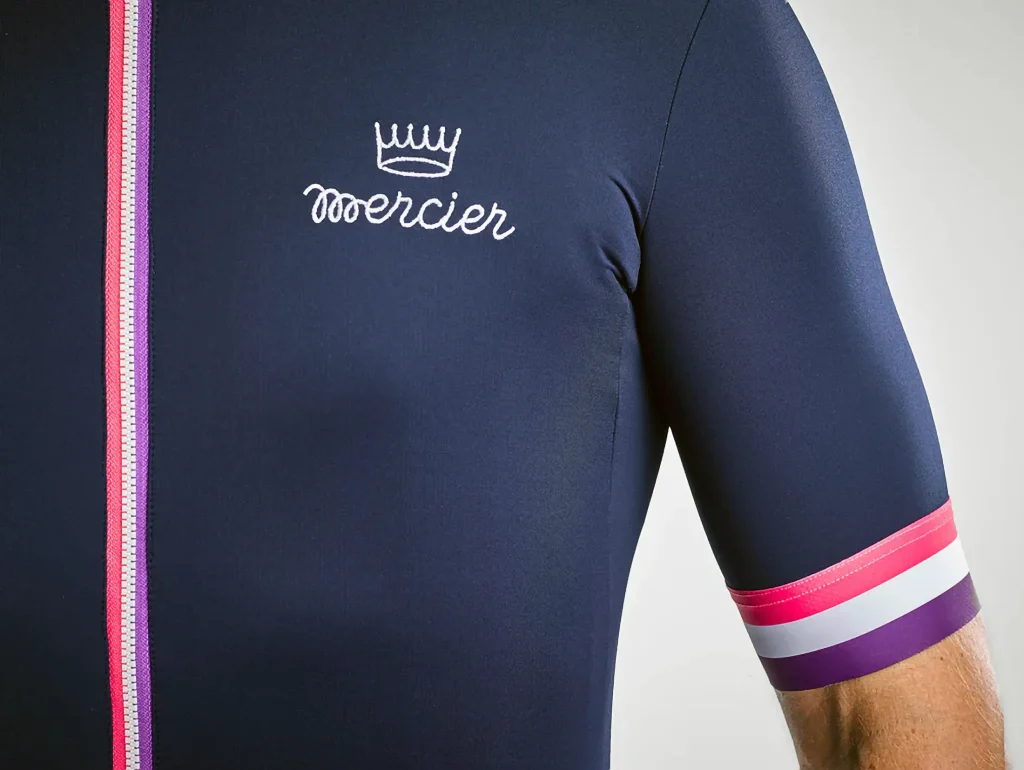
Today, the Mercier family business looks to be going strongly, with a proper range of premium cycling apparel, including wonderful collections for Women, Cold Weather, Indoor and Stay Visible. (Thankfully, the latter two collections never overlap, even though that Canicule Lightweight Tank comes close!) We are rooting hard for modern day Émile and his venture, much like we celebrate the gifts of his forebears: some of the classiest bike products available, across every important segment, enduring year after year.
Concluding Thoughts About Cycles Mercier
The story of Cycles Mercier, stretching from its 1919 founding in Saint-Étienne to its modern re-emergence, is less a simple boom-bust history of a manufacturer and more the saga of a resilient, horizontally integrated empire. Driven by the ambitious Émile Mercier, the company achieved massive industrial scale, peaking at 150,000 bicycles annually in 1975, all while adeptly managing an extensive network of sub-brands and OEM relationships totaling no fewer than 23 entities. This corporate dominance was mirrored on the road by one of cycling’s (sport’s?) longest-running professional sponsorships, a dynasty defined by its iconic purple and yellow jersey and anchored by legends like Raymond Poulidor, Louison Bobet and Joop Zoetemelk.
Somehow, Mercier’s most astonishing legacy could fall outside of its remarkable production numbers or Palmares, with its Duralumin Méca Dural frames becoming crucial tools of insurgency when modified into xe thồ—”Steel Horses”—to transport immense loads for the Viet Minh during the French Indochina War. This logistical effort came at a brutal human cost, with more transport cyclists and porters dying from disease, exhaustion and attacks by wild animals than from French bombs and bullets.
Though the original company eventually succumbed to global competition and filed for bankruptcy in 1985, and the most recent attempt to relaunch bicycle manufacturing in 2021 ended dramatically amid allegations of financial impropriety, the Mercier brand endures in name and spirit. Today, a successful, quality-focused clothing line led by the founder’s nephew, Émile Mercier II, serves as a direct and conscious “nod” to his family’s heritage. Cycles Mercier, it can be said, is ultimately a testament to the enduring power of a name – one that links the industrial ingenuity of Saint-Étienne to the world stage of cycling and, as ever, well into the future.
Document the professional pedigree of Saint-Étienne’s finest. Share your Mercier restoration photos and technical observations on frame geometry and lug work.
Special Thanks
Émile Mercier II and Manufacture Mercier, whose revival of the storied Mercier brand is everything good and right about the universe we all inhabit together
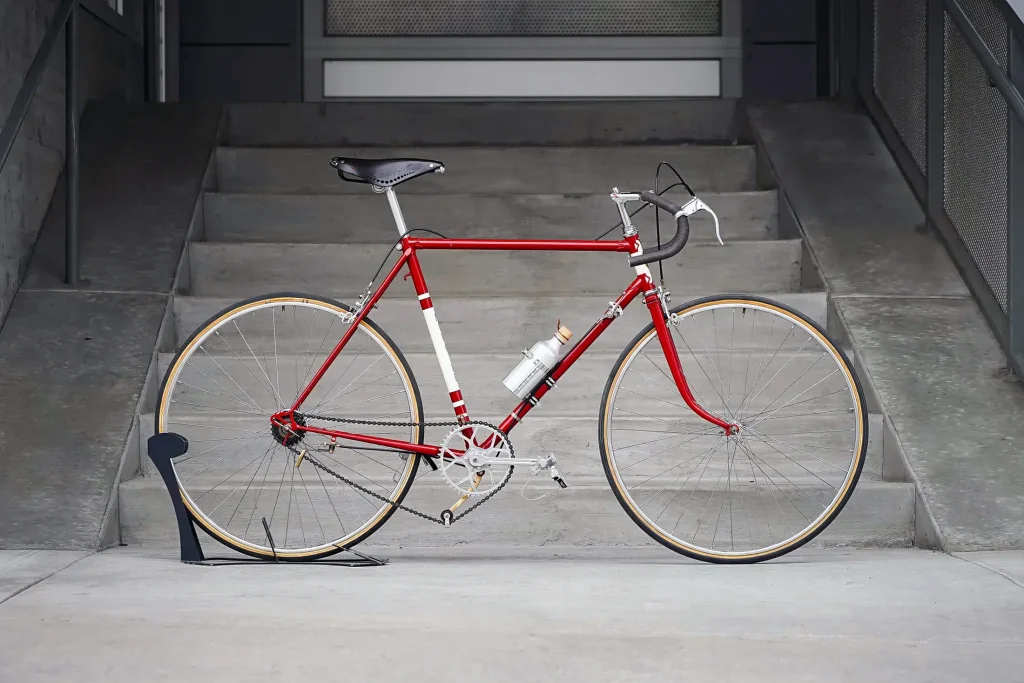
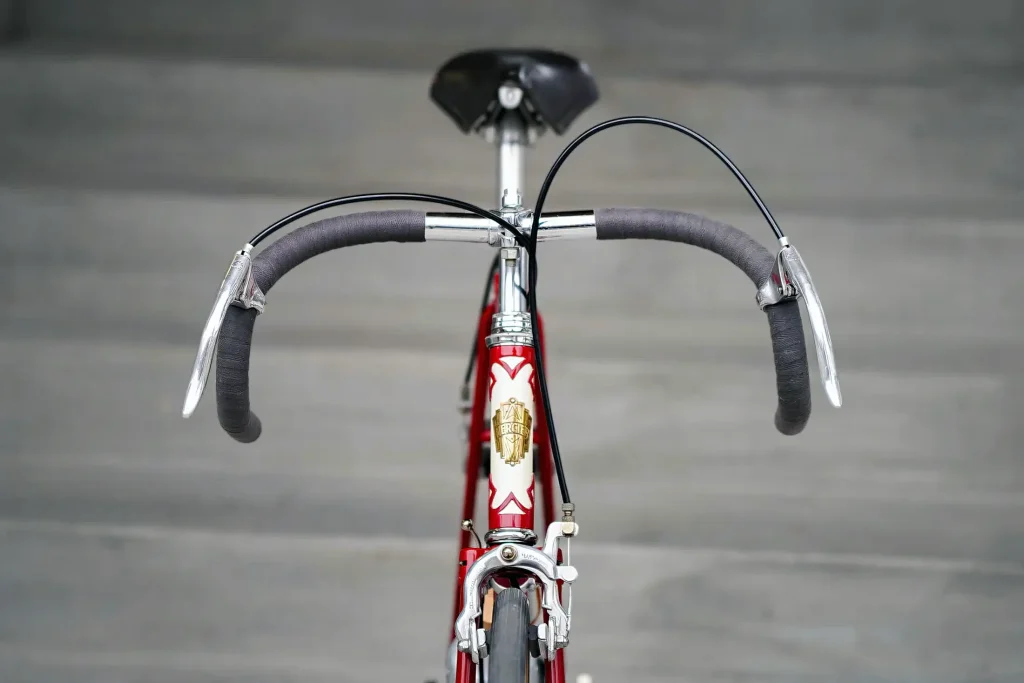
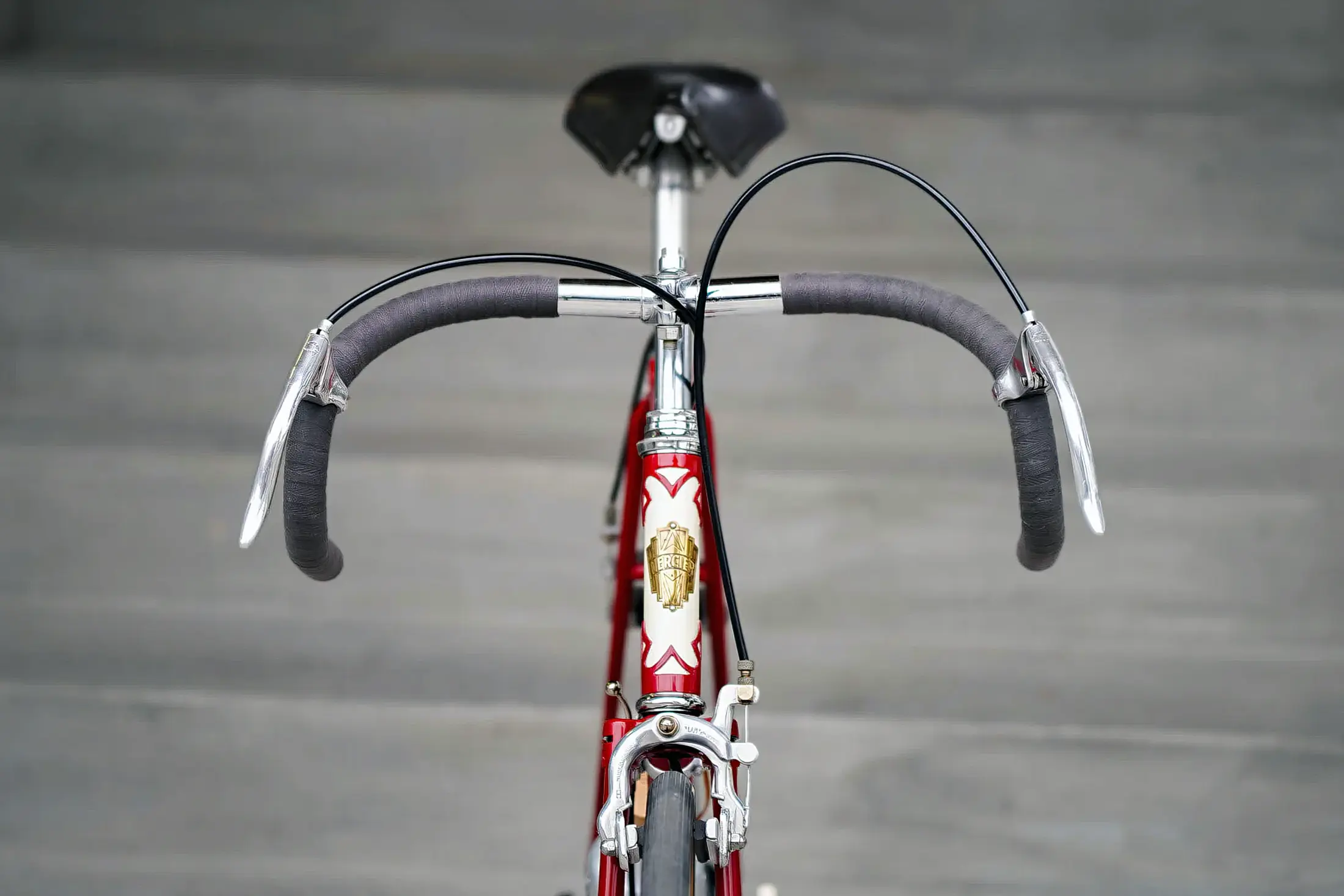
Jimmy and Scott at Contender Bicycles, whose lovely 1930s Cycles Mercier captures a distinct era in cycling history and is proudly displayed in this article
Wayne and Roly at Pedal Pedlar, whose standout 1950s Mercier Méca Dural is a wonderful representation of this poplar mid-century duralumin frame platform
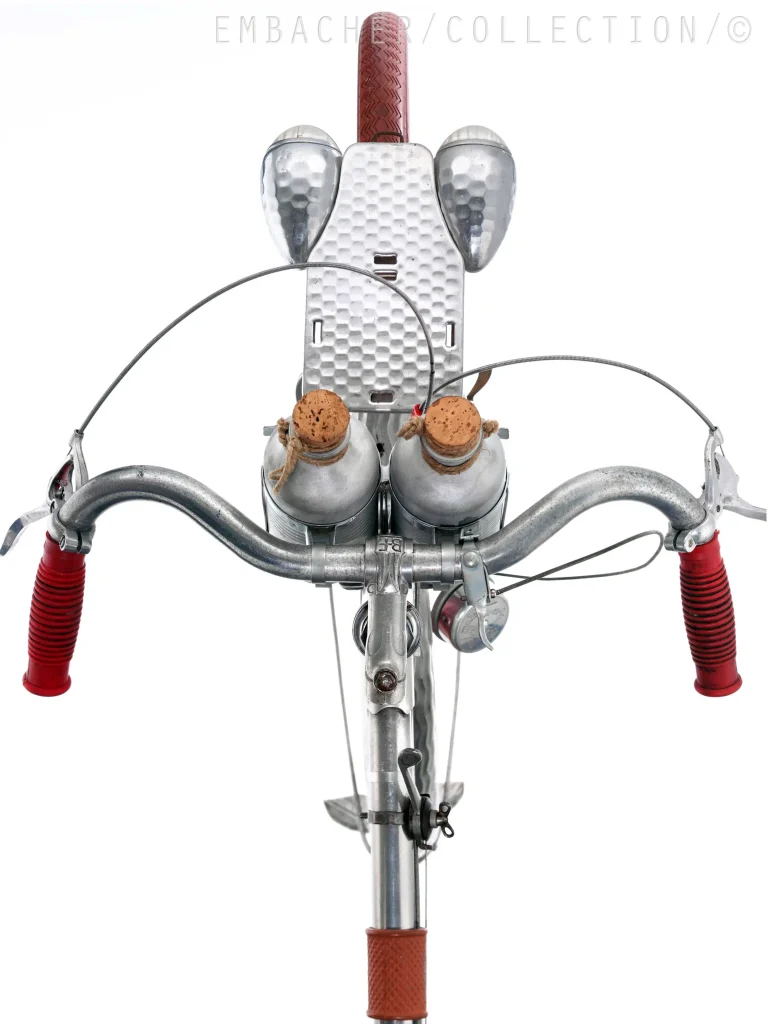
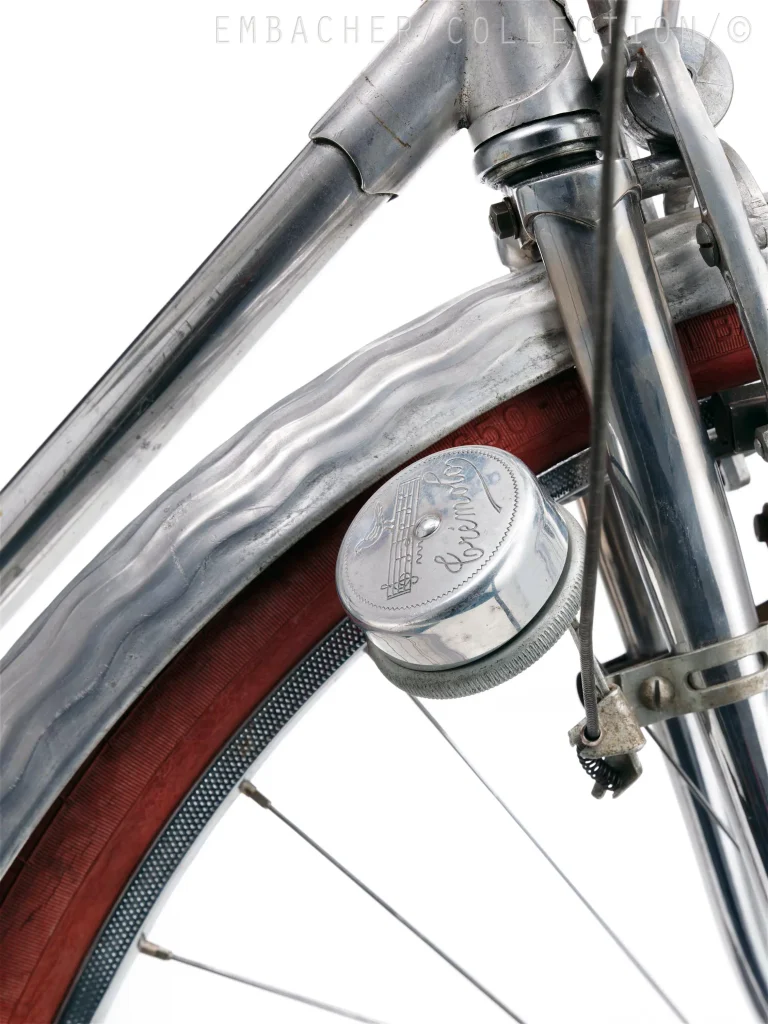
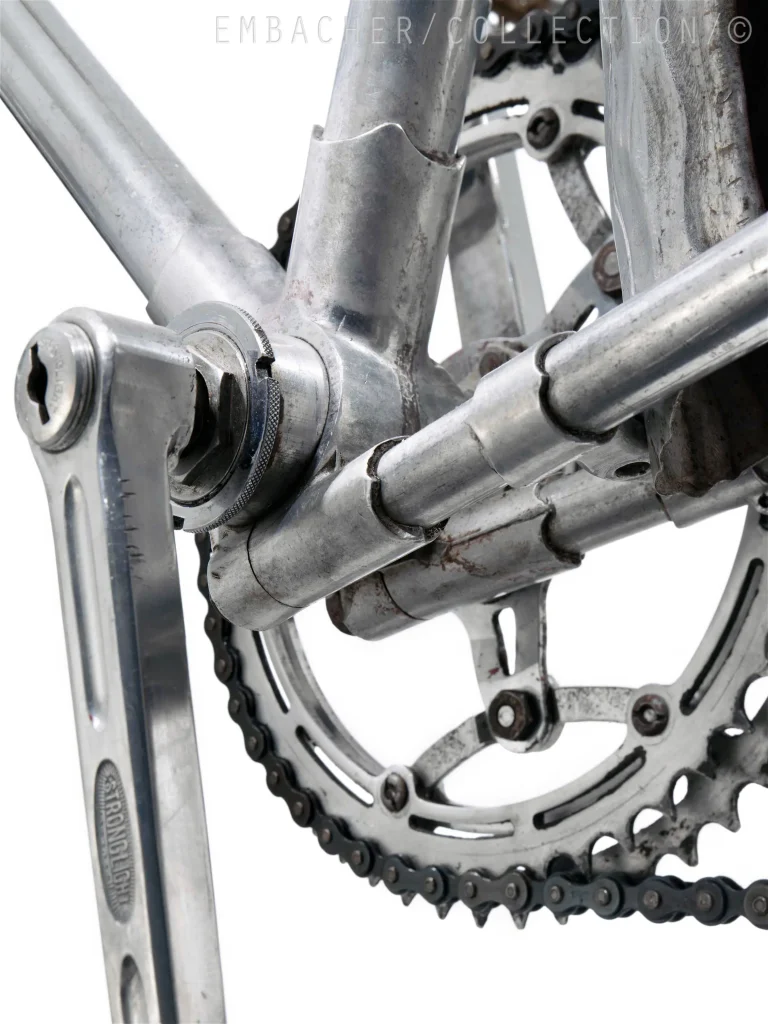
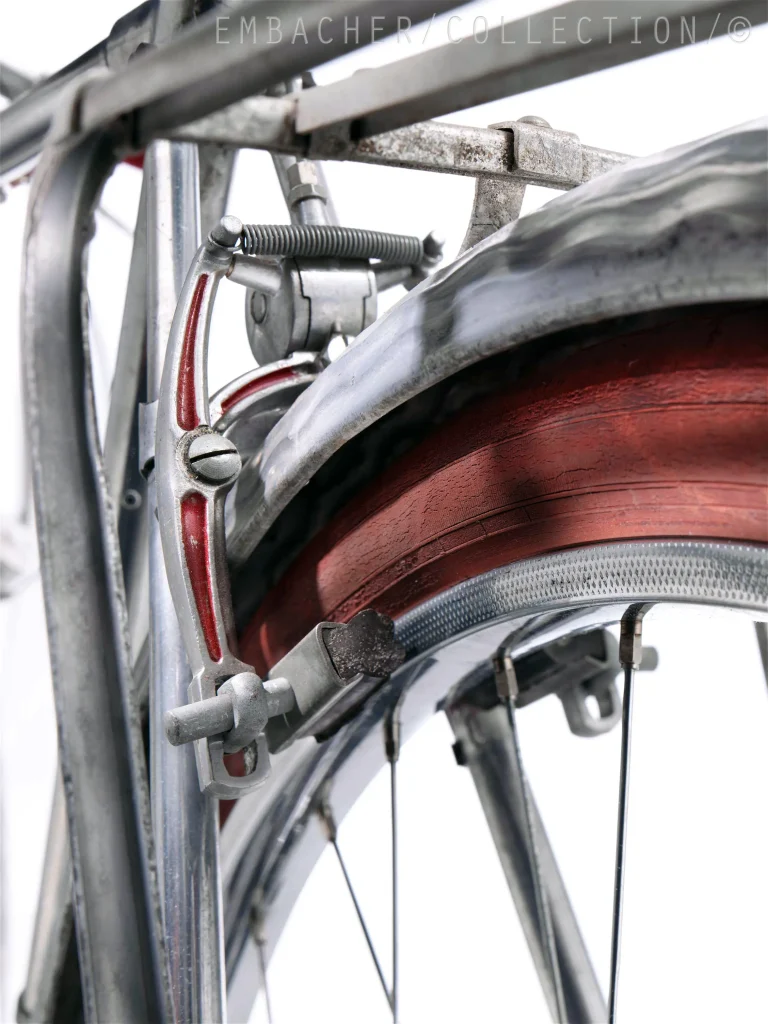
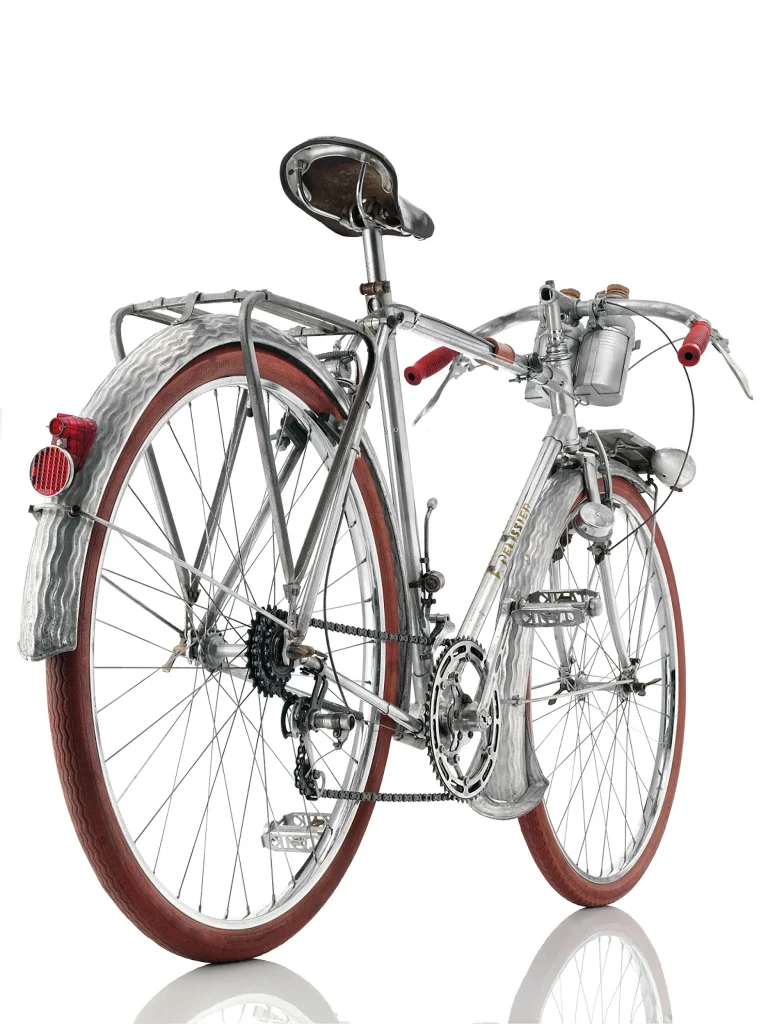
Michael Embacher and Itai Margula of the Embacher Collection, whose exemplary 1950s Mercier Pelissier is one of the quintessential examples of Mercier’s OEM activities
https://forum.tontonvelo.com/viewtopic.php?t=20185
https://www.sportsmemories.be/Book.aspx?id=38409
https://forum.tontonvelo.com/download/file.php?id=138043&sid=db7a095771e45fb448db5462cf7e4ae6
https://velomercier.wordpress.com/
https://forum.tontonvelo.com/viewtopic.php?p=307688&hilit=mercier#p307688
https://unidivers.fr/les-forcats-de-la-route-albert-londres/
https://en-academic.com/dic.nsf/enwiki/2858940
https://bikeshopwarehouse.com/cgi-bin/BSW_STOR20.cgi?Action=Details&ProdID=2218
https://www.bikesdirect.com/products/mercier/galaxy_tour.htm
https://forum.tontonvelo.com/viewtopic.php?t=48501
https://onlinebicyclemuseum.co.uk/1947-velo-la-perle-meca-dural-duralumin/
https://www.campfirecycling.com/blog/2017/01/30/how-the-bicycle-won-the-vietnam-war
https://www.historynet.com/pedal-power-bicycles-in-wartime-vietnam/
https://www.mercier.cc/en/blogs/infos/interview-emile-mercier
https://www.mercier.cc/en/collections/indoor/products/canicule-indoor-t-shirt
https://www.journaux.fr/produits/presse/Sport-14/V%C3%A9lo%20Magazine-93110