About Ebykr
Ebykr celebrates classic and vintage lightweight bicycles through provocative imagery and opinion. Ride along with us.
About Ebykr
Ebykr celebrates classic and vintage lightweight bicycles through provocative imagery and opinion. Ride along with us.

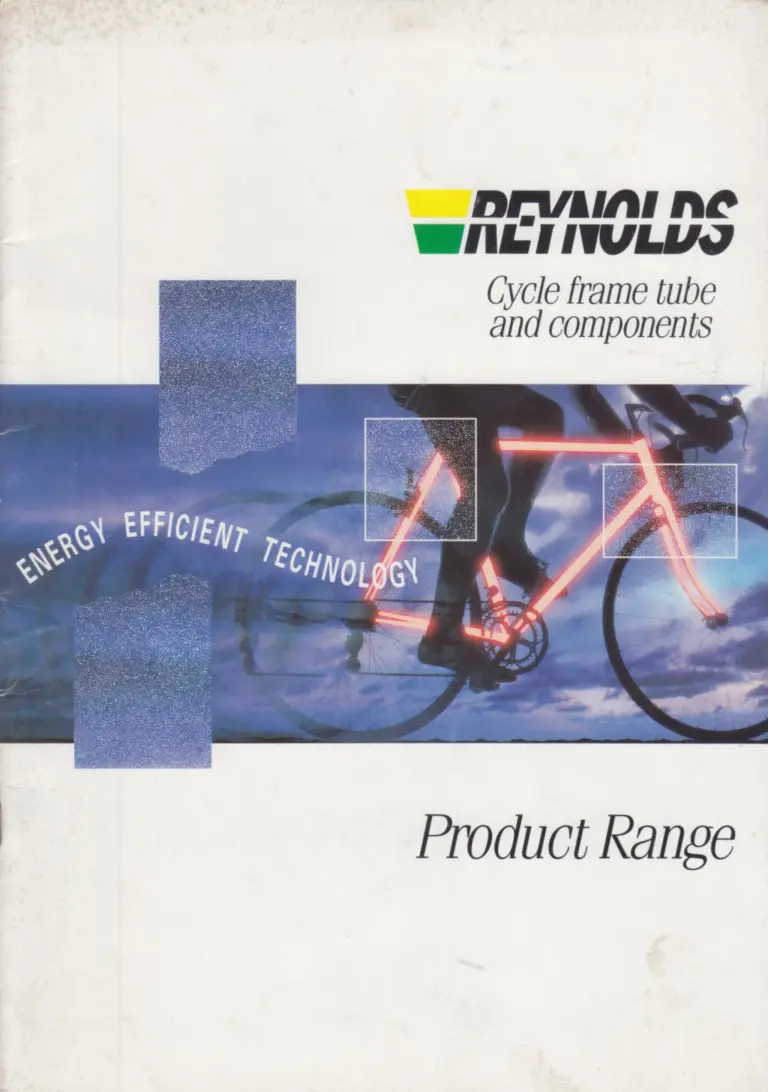
A practical guide to reading a Reynolds transfer — what each mark actually guarantees, how its small print and the tube it names date a frame and how to tell a respray from a reproduction, drawn from Reynolds' own literature of 1972 to 1990.
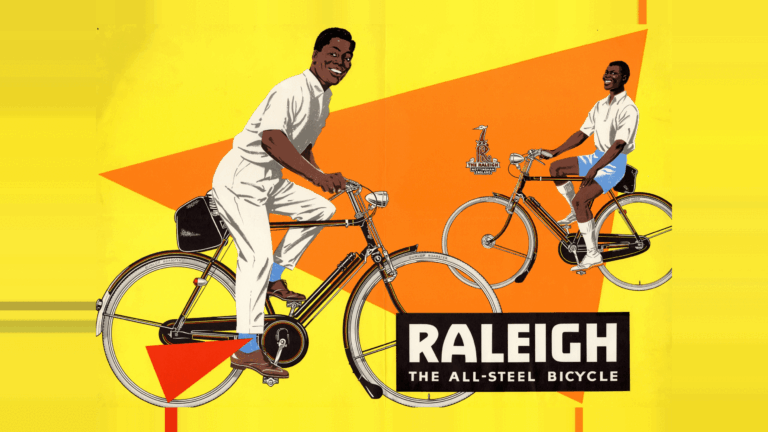
Raleigh went from a twelve-person workshop on a Nottingham back street to the largest bicycle manufacturer in the world, and from there to a brand owned by a Dutch group under lender control. This is the full arc: Sturmey-Archer and the three-speed empire, the export trade, the Moulton fight, the Chopper, the four-man Ilkeston workshop whose frames won the 1980 Tour de France, and the long unwinding that ended manufacturing in Nottingham.

A practical, honest guide to dating a vintage Raleigh — the model ladder, the frame numbers that genuinely decode (and the ones that do not), the Sturmey-Archer and component date codes, and matching it to a catalogue.
Hobbs of Barbican built its reputation on Albert Hobbs’ conviction that “a cycle is as good as its frame,” and the timeline below traces the company from its 1930 founding through wartime relocation to a brief 1970s revival. Along the…

Born from postwar scarcity, Holdsworth grew from a home-based cycling-apparel venture into one of the great names in British lightweight bicycles, a company whose reputation was built quietly by a committed husband and wife team long before its racing pedigree…
Carlton Cycles, founded in Carlton, England in 1896, built wide-tired roadsters before a mid-1930s pivot toward racing and club machines gave rise to one of Britain's most respected, if still under-recognized, lightweight marques. This timeline traces its rise under the O'Donovan family through a 1960 acquisition by Raleigh to its eventual wind-down.
Among the most recognized bicycle brands in the world, the Raleigh Cycle Company traces its roots to a twelve-person workshop in Nottingham, England producing three bicycles a week. This timeline follows its rise to the largest bicycle plant on earth and its long path through hub gearing, the export trade, wartime munitions, the Chopper, BMX and the Tour-winning Ilkeston workshop, to the end of Nottingham manufacture and the brand's present ownership.

Bayliss-Wiley Co. Ltd. was a highly respected designer and manufacturer of bicycle components for nearly a full century, ahead of its time as inventor of the world's first cassette hub in 1938 and bespoke supplier to British cycling and automotive companies alike. This timeline traces its corporate lifecycle through motorcar production and changes of ownership to its 1969 fade into Renold Chains Ltd.
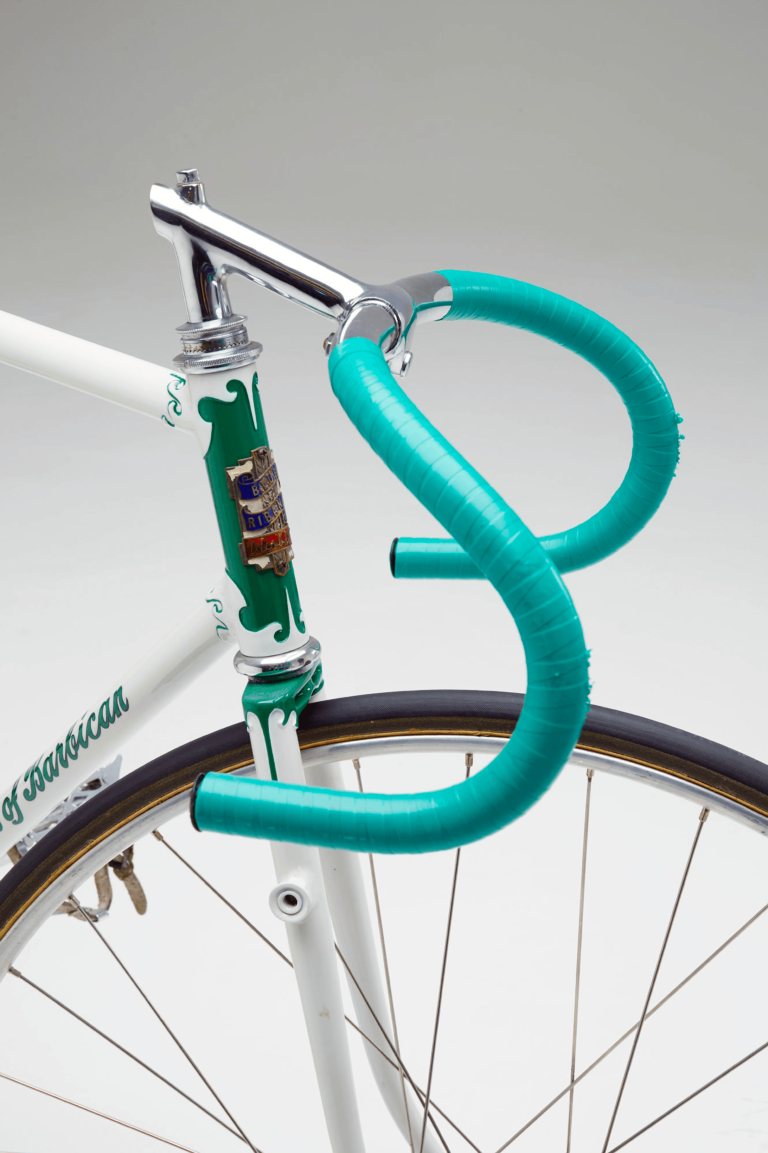
The job of a bicycle designer parallels that of a surgeon in many senses: triage what’s wrong, decide what no longer functions, find a way to solve the problem and repair or replace whatever needs fixing. And like any good…
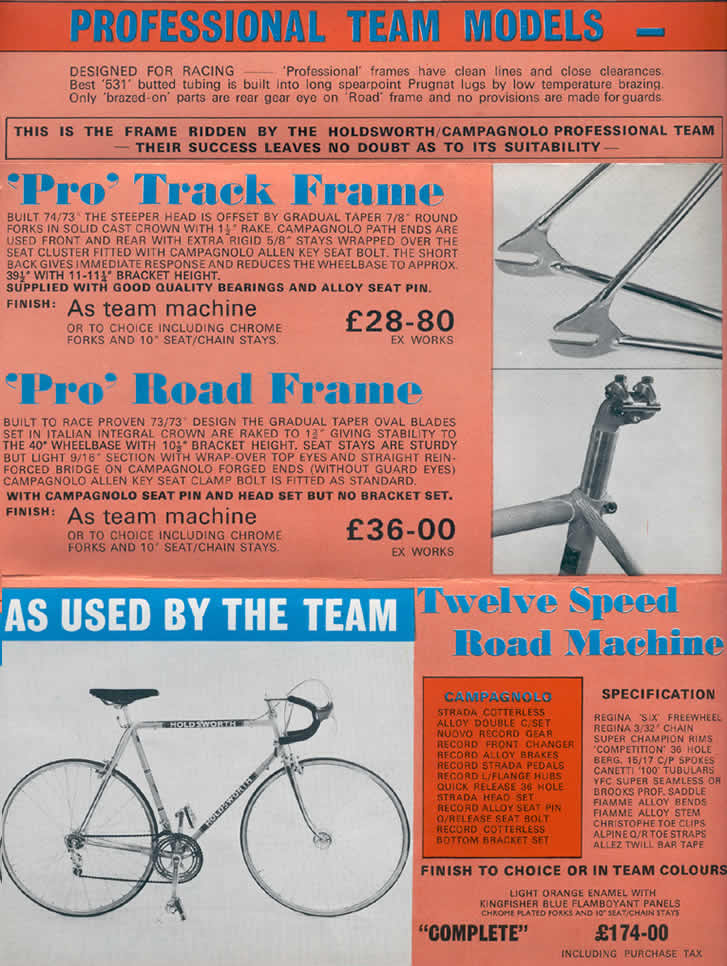
Like so many other useful things at that time and place, cycling apparel was difficult to obtain after World War One in Europe. The continent had been thoroughly ravished by a half-decade of brutal conflict and matters of sport went largely unaddressed by everyone…
The Ebykr Digest
New articles, timelines, catalog finds and registry activity — assembled from the archive once a month. Your address is never shared.
Double opt-in. One email per month. Unsubscribe at any time with one click.