About Ebykr
Ebykr celebrates classic and vintage lightweight bicycles through provocative imagery and opinion. Ride along with us.
About Ebykr
Ebykr celebrates classic and vintage lightweight bicycles through provocative imagery and opinion. Ride along with us.

A practical guide to dating a vintage Motobécane: telling the French bicycles from MBK and the modern imports, what the frame stamps may mean, and how the 1979 catalog, the tubing and the components date the bicycle.
A practical guide to dating a vintage Bianchi: why its frame number cannot give you a year, and how the tubing, the transfers, the components and Bianchi's own catalogs from 1912 to the late 1980s can.
A practical guide to dating a vintage Schwinn: telling a Chicago-built Schwinn from a Paramount and an import, finding the frame number, reading it with the right table and confirming the year with the catalogs and the components.
A practical guide to dating a vintage Fuji — finding and reading the serial number that carries its build month and year, telling the build year from the model year and confirming it all against the model, the decals, the components and the catalogs.
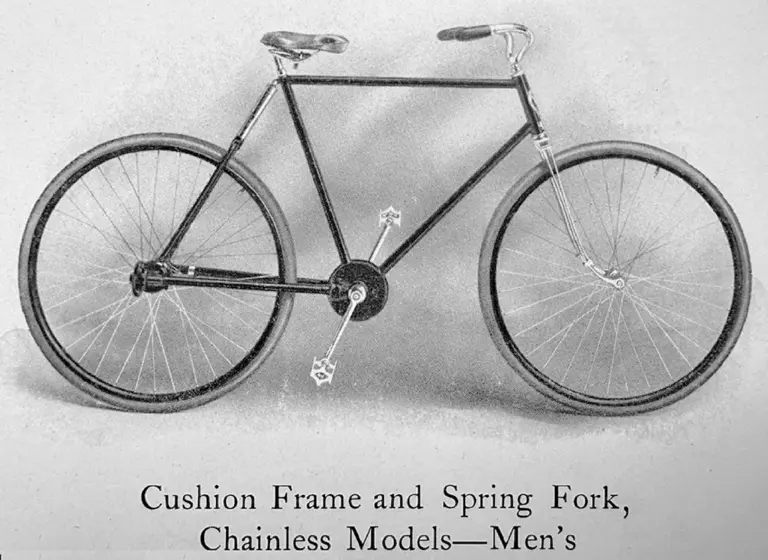
A practical guide to dating a Pierce bicycle from Buffalo — what the head badge says about who built it, why the first two digits are not the year, where a frame number sits on the ladder of dated examples, what the model numbers mean and which features arrived when.
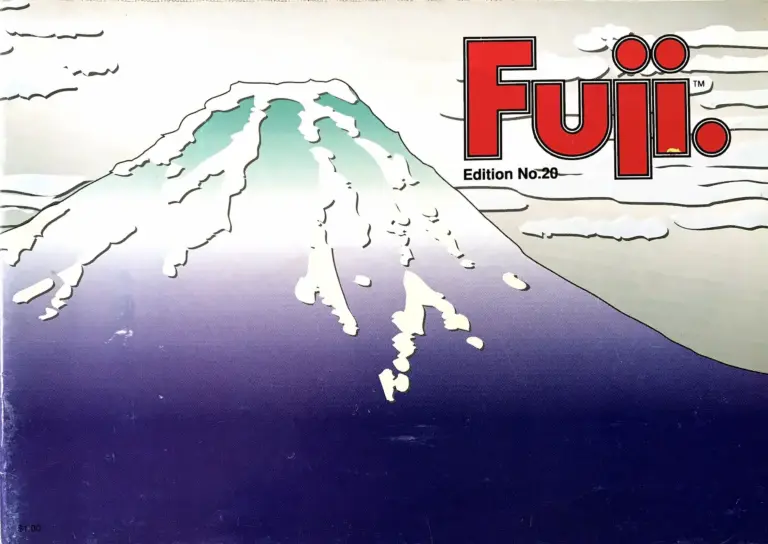
Founded in 1899 as a Tokyo import house trading under a name that meant Japan-America, Fuji is one of the oldest bicycle names still in use anywhere. This timeline follows it from Meiji-era importing through domestic manufacture, a wartime renaming, three Olympic Games, the S10-S that changed the American market, Valite tubing and an early titanium frame, to two bankruptcies and the brand's latest change of hands.
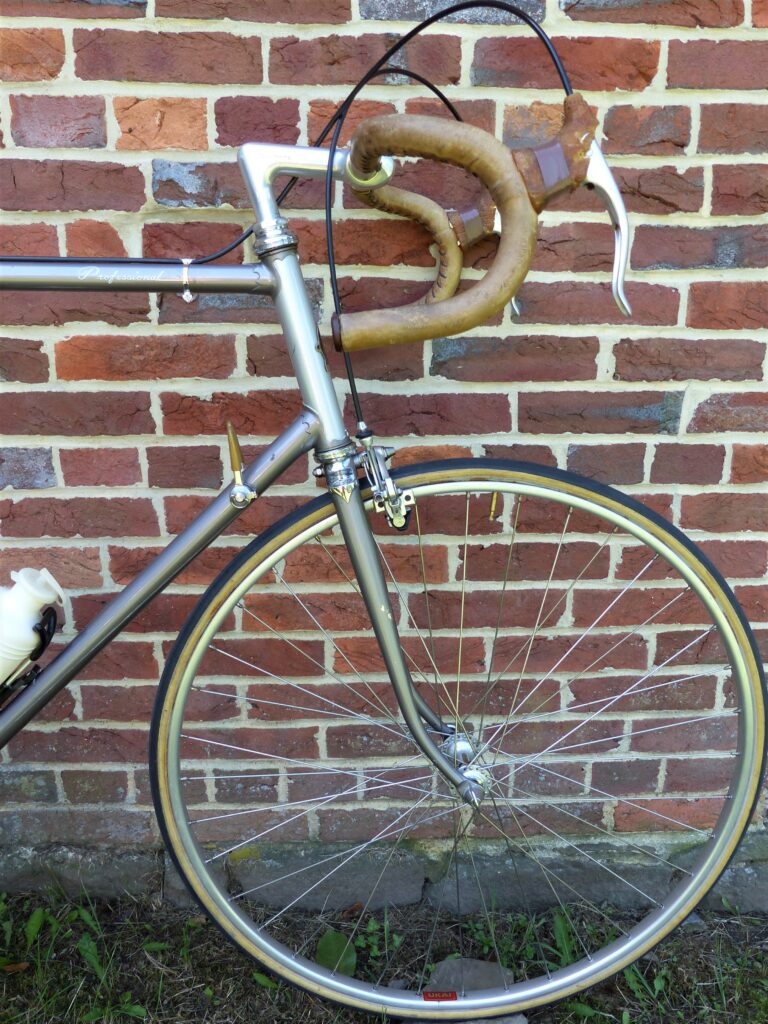
Founded in 1899 as a Tokyo trading house importing American goods, Fuji was Japan's most popular bicycle by the late 1920s and, with the S10-S of 1971, ended the assumption that a serious lightweight had to be European. This is the longer story: the wartime renaming, three Olympic teams designed by a former Asian Games winner, Valite tubing, an early production titanium frame, serial numbers that actually date a frame, two bankruptcies and a brand changing hands again in 2026.
Brooks has been making saddles under the same name since 1866, in a range that has changed slowly and looked similar throughout. That is wonderful for riders and awkward for anyone holding a saddle and wondering what it is. Two…
The Ebykr Digest
New articles, timelines, catalog finds and registry activity — assembled from the archive once a month. Your address is never shared.
Double opt-in. One email per month. Unsubscribe at any time with one click.