About Ebykr
Ebykr celebrates classic and vintage lightweight bicycles through provocative imagery and opinion. Ride along with us.
About Ebykr
Ebykr celebrates classic and vintage lightweight bicycles through provocative imagery and opinion. Ride along with us.


Long before it became a byword for the durable, elegant aluminum fenders that seem never to die or go out of style, the name of Lefol passed through the fires of revolutionary Paris, the golden era of French cyclotouring and…
Nearly a century before swoopy modern wonderbikes claimed aluminum frames and quick-disassembly travel bikes as innovations, Pierre Caminade had already built them. Working from a small Parisian atelier, Caminade pursued an obsessive, self-driven program of aluminum-magnesium frame construction, componentry and…
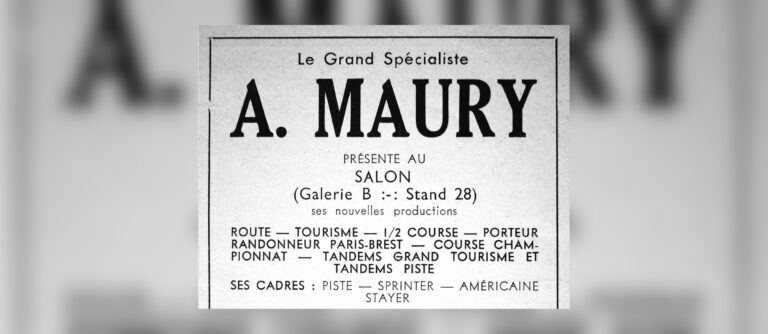
André Maury built his reputation in the shadow of better-known Parisian constructeurs like Alex Singer and René Herse, working first from the 15th Arrondissement and later under the corporate banner of S.E.C.T.A.M. His fillet-brazed frames and quiet technical innovations, including a 1948 threadless stem decades ahead of its time, mark this timeline of French cyclotouring's golden age.

Joseph “Jo” Routens ranked among the greatest makers of randonneur, cyclotouring and cyclosportif bicycles in cycling history, distinct from contemporaries René Herse and Alex Singer for his unwavering commitment to the everyday cyclist. This timeline traces his competitive and manufacturing legacy from the Brevet de Randonneur Alpin through his eponymous marque, anchored in Grenoble, France.
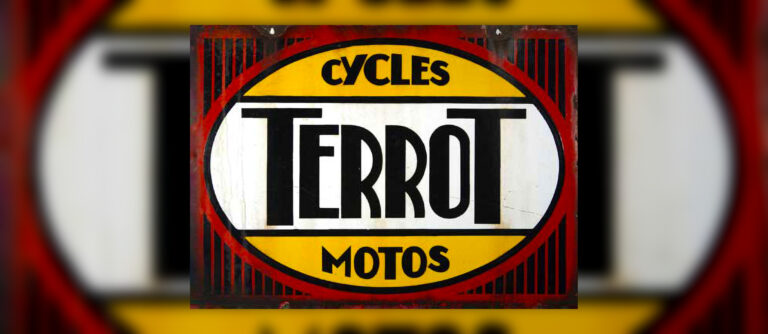
From its 1887 beginnings as a modest textile workshop built by Charles Terrot in rural Dijon, France, the Terrot enterprise grew into a resoundingly popular manufacturer of bicycles and motorcycles over the next three quarters of a century. This timeline traces its groundbreaking products, aggressive marketing and podium record from 1887 to 1970.

Gitane took its name from founder Marcel Bruneliere's own nickname, given to him by his wife for his constant continent-spanning dealmaking, and applied it to bicycles beginning in 1930. This timeline traces the marque's Tour de France triumphs under Jacques Anquetil, Bernard Hinault and Greg LeMond through its eventual reduction to a licensed name on generic bicycles.
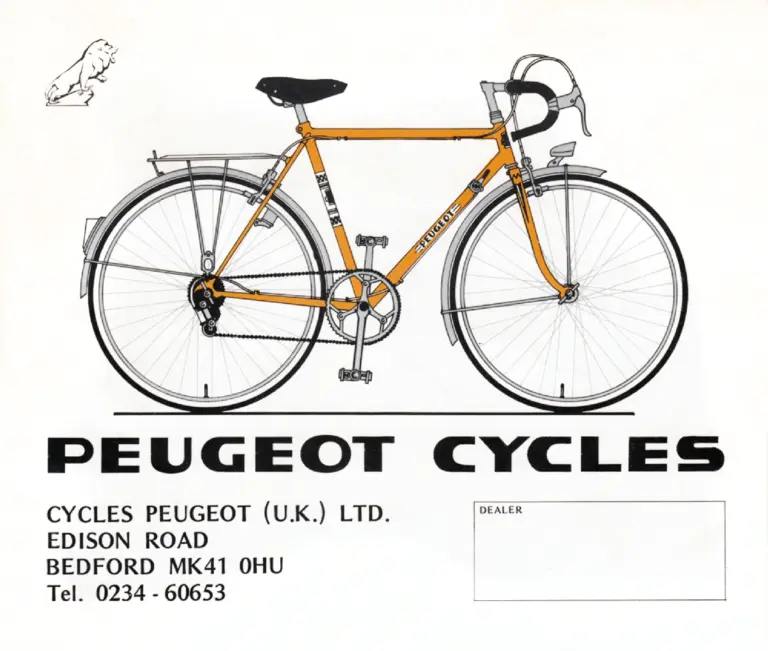
A practical, honest guide to working out what your Peugeot is and when it was built — reading the model, the frame, the components and the decals together, because the serial number alone will not tell you.
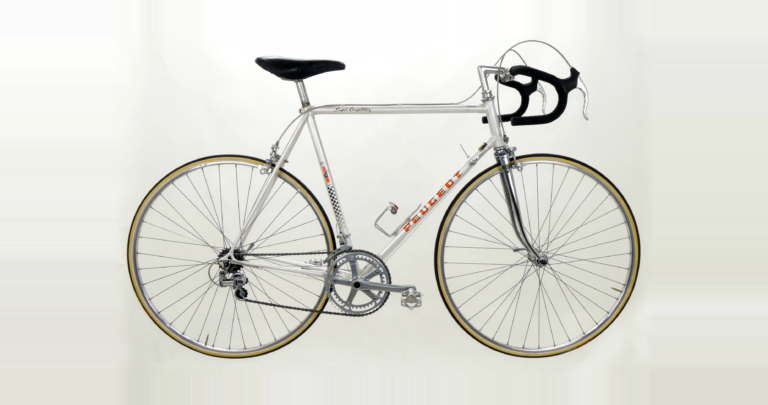
The full history of Cycles Peugeot: from a family steel foundry in Montbéliard to a record ten Tour de France titles and the lightweight PX-10 and PY-10 racers prized by collectors today. Along the way, a family divided between the bicycle and the automobile, a folding bicycle built for soldiers, and the checkerboard jersey that defined an era of French racing.
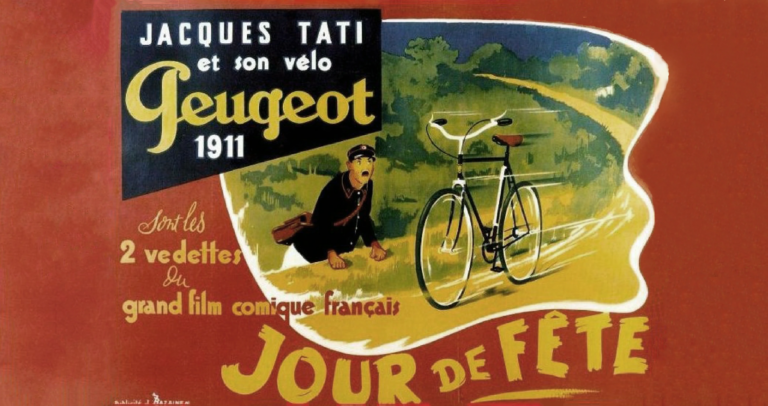
From a 19th-century grain mill to a record ten Tour de France victories, the story of Cycles Peugeot spans more than two centuries. This timeline charts the industrial milestones, technical innovations and racing triumphs that carried the Peugeot Lion from the steel foundry to the front of the peloton.
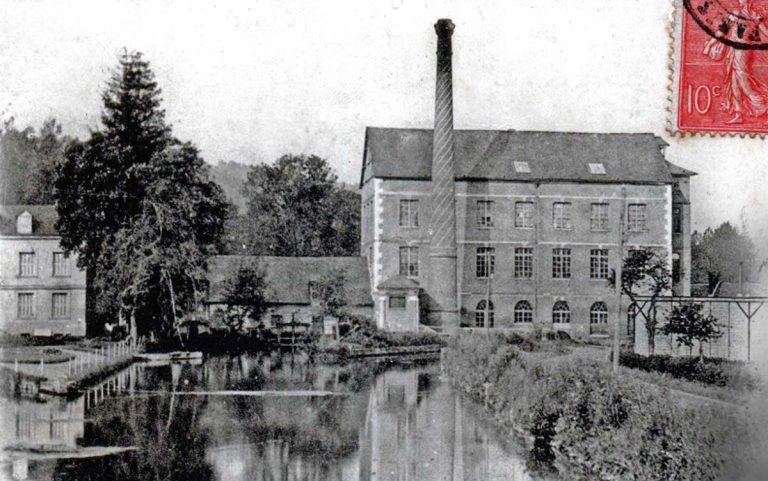
This feature article provides an unprecedented visual window into the industrial soul of the Idéale brand, presenting rare archival photographs of the F. Tron & Cie and Tron & Berthet facilities and the generations of artisans who defined them. The images trace the company's journey from its hydraulic roots at a former wool mill to the height of its mid-century power.
The Ebykr Digest
New articles, timelines, catalog finds and registry activity — assembled from the archive once a month. Your address is never shared.
Double opt-in. One email per month. Unsubscribe at any time with one click.