About Ebykr
Ebykr celebrates classic and vintage lightweight bicycles through provocative imagery and opinion. Ride along with us.
About Ebykr
Ebykr celebrates classic and vintage lightweight bicycles through provocative imagery and opinion. Ride along with us.


In the golden age of professional cycling, the frame that crossed the finish line of a Grand Tour carried a promise stamped on its down tube. A glittering badge — often Bianchi, Colnago, Pinarello, Atala — sold the illusion that any amateur could walk into a high-street shop and purchase the exact same machine that propelled Gimondi, Merckx or Pantani up the Stelvio.
Yet, behind the polished enamel and chrome of Milanese and Venetian showrooms existed a quiet, necessary deceit. That this practice endures today remains a poorly kept secret among the top manufacturers, who continue selling the illusion to aspirational champions like you and me.
When a team leader needed a geometry tuned to a unique anatomical asymmetry, a set of custom-drawn thin-wall tubes to handle explosive climbing attacks or simply a frame welded on a deadline that a commercial factory could not meet, the big brands did not look to their mass-production assembly lines. They turned to the terzisti, who were the master contract builders, shadowy artisans and custom shop bosses operating in small workshops across Lombardy, Veneto and Piedmont.
To understand classic racing steel is to understand the unspoken partnership between the legendary decal on the down tube and the unsung torchbearer behind the workbench.
By the late 1960s and through the 1990s, major Italian manufacturers were balancing two conflicting worlds: the scale required for global export and the uncompromising demands of the professional peloton.
A factory floor designed to produce thousands of standardized lugged steel frames a year was fundamentally ill-equipped to handle the bespoke requests of a Grand Tour roster. Professional racers were notoriously meticulous (and often superstitious) about frame fit, top tube length, seat tube angles and bottom bracket stiffness, with some more famously demanding than others.
Companies maintained official Reparto Corse (Race Department) facilities, but these departments were only part of the picture, and the record shows that the frames under a team’s riders came from wherever the best hands were: the brand’s own bench, an independent terzista (third-party framebuilder) paid by the frame or a builder the star rider trusted more than his sponsor.
The outside builders worked under a tacit understanding of anonymity. They brazed or TIG-welded the frames, often in secret, before delivering them raw or painted back to the brand for official distribution to team mechanics. Their names stayed off the decals, the catalogs and the victory photographs.
Bianchi, the firm that made Reparto Corse a byword, is the best documented case, and its record runs both ways. Carlo Drali joined Edoardo Bianchi’s racing division in 1914 and built for Costante Girardengo before opening his own Milan workshop in 1923. Yet when Bianchi’s Fausto Coppi won his first Milan-San Remo in 1946, it was on a frame from Drali’s bench. In 1949 Carlo and his son Beppino built Coppi’s “Elaborata Drali” track bikes, by one account the only time Bianchi let an outside builder sign its frames. Through the 1950s and 1960s the Dralis were among a small band of Milan builders making team frames for the Reparto Corse, for Coppi, Ercole Baldini, Gastone Nencini and Felice Gimondi. The same account has Bianchi closing its in-house racing department in 1970 and Beppino building race frames decaled as Bianchis for professional teams for another 20 years.
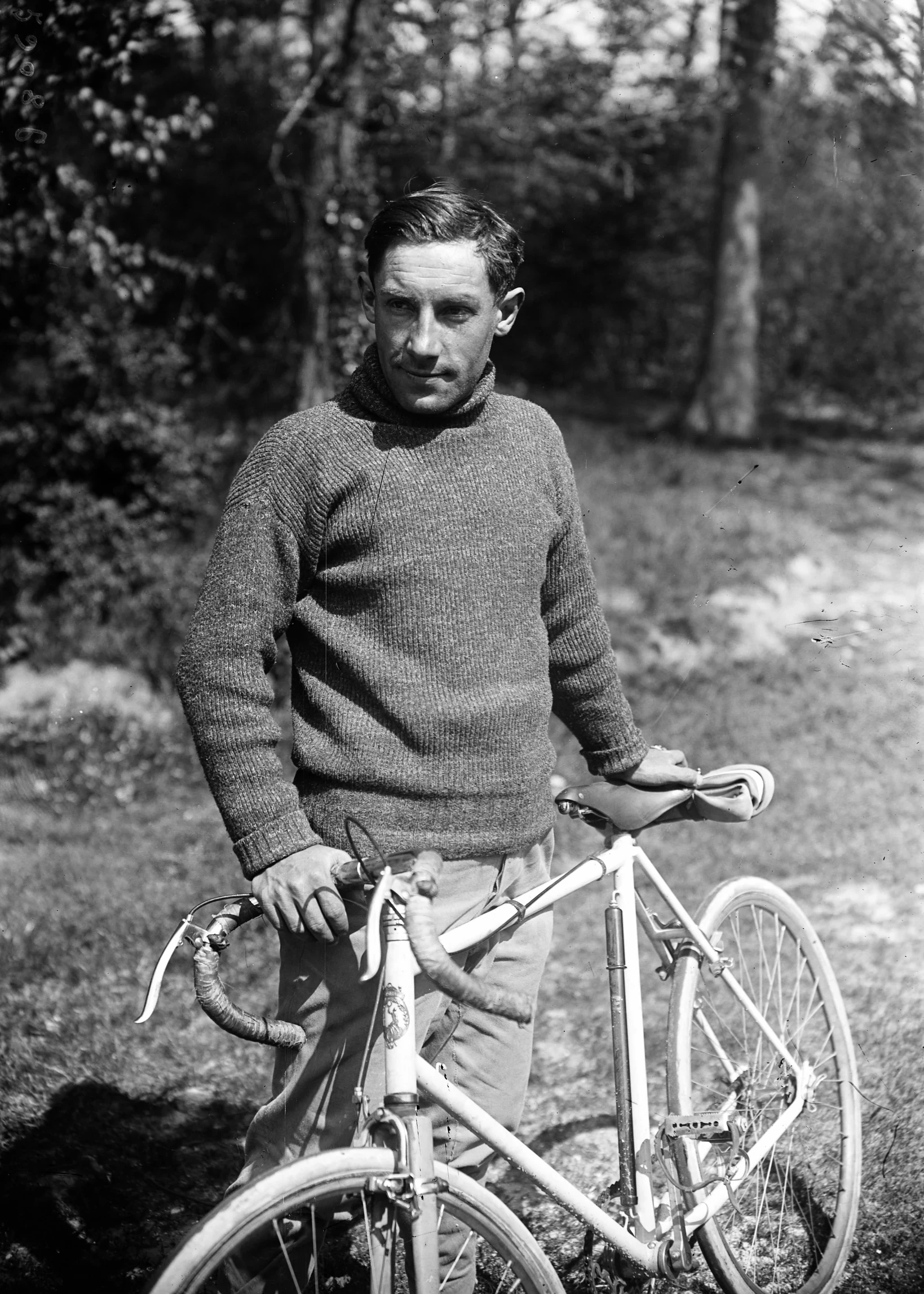
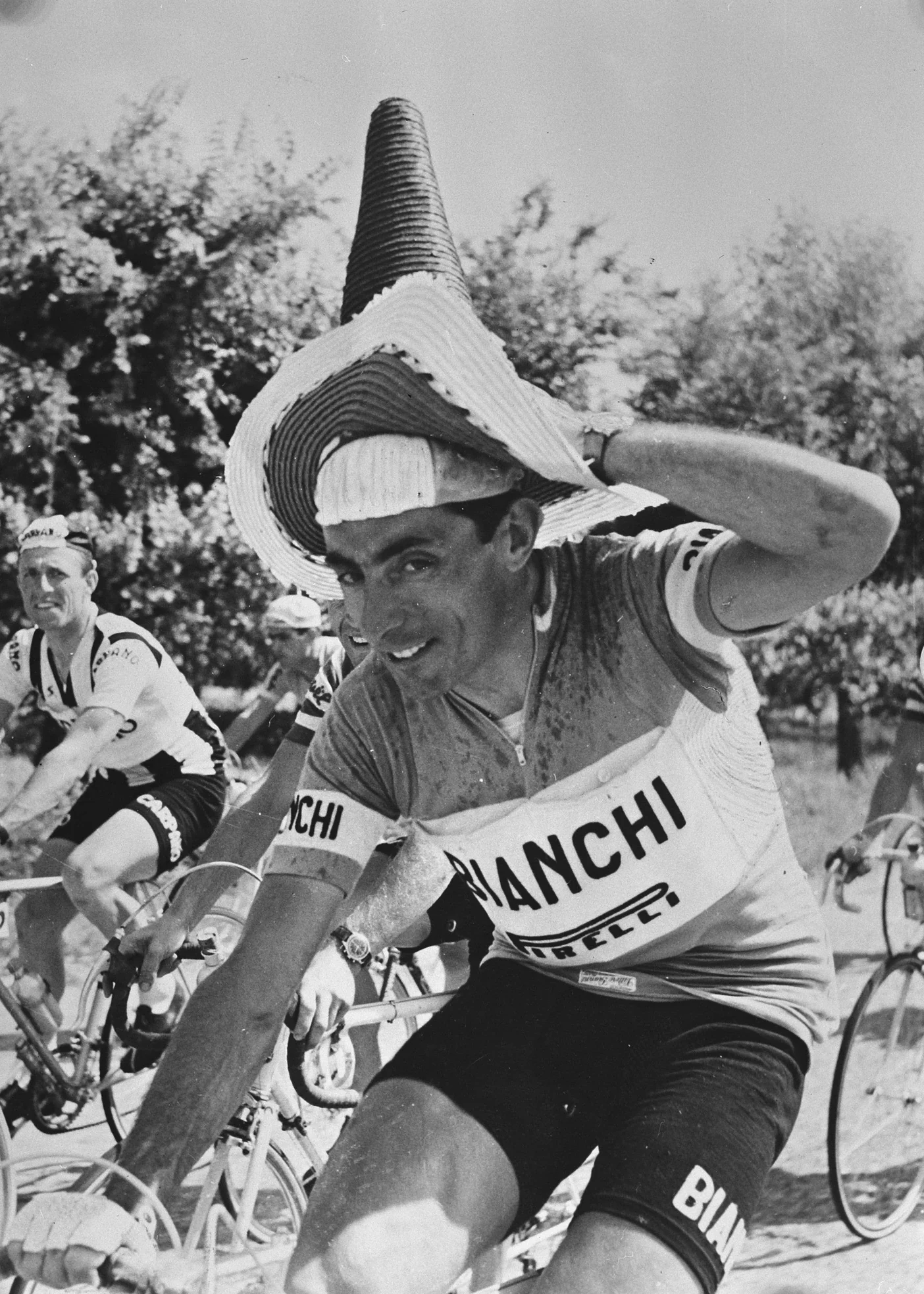
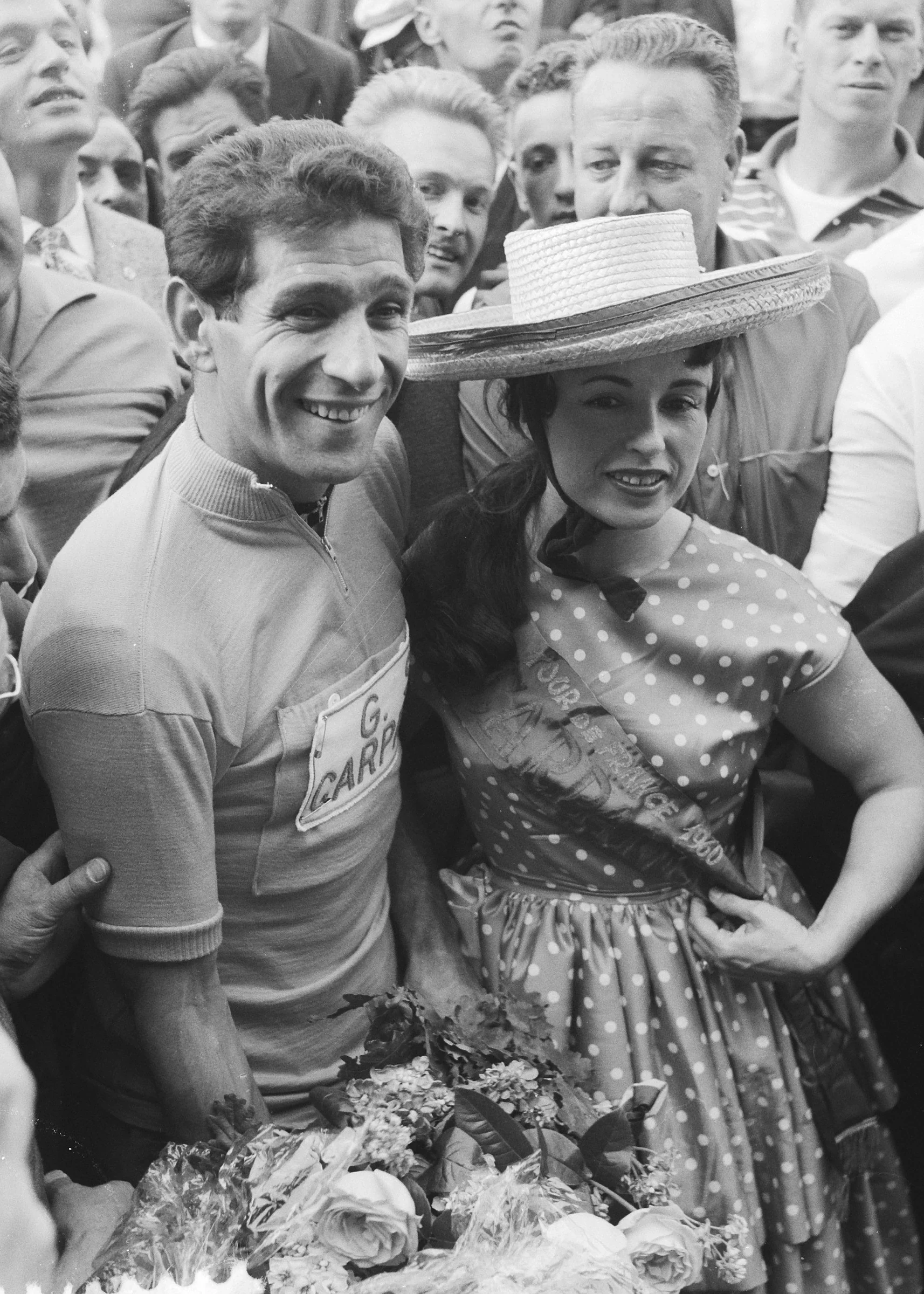
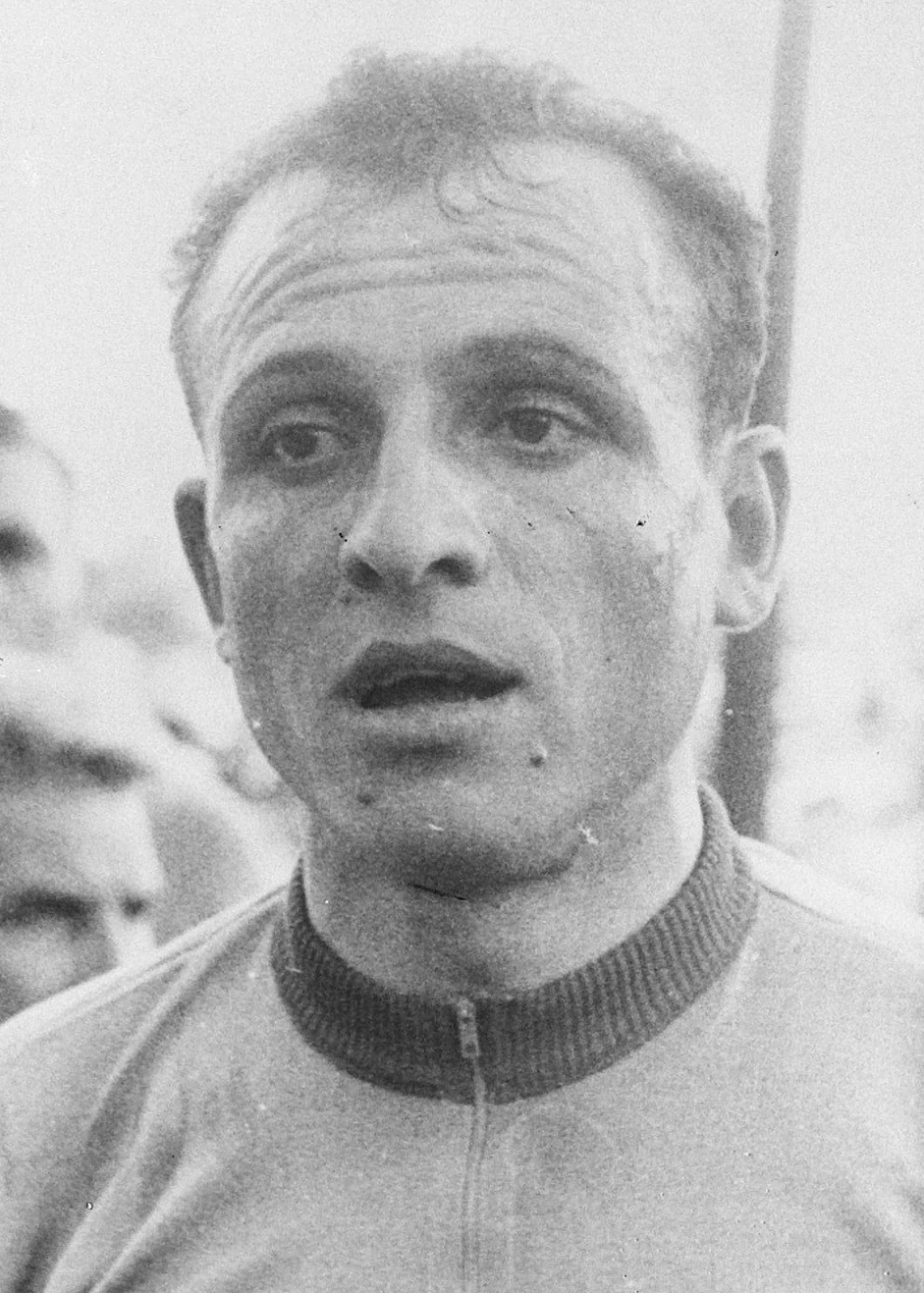
The factory bench was real too. Pietro Piazzalunga, the Bianchi team mechanic from 1973 to 1989, told the oral historians Bill McGann and Valeria Paoletti that he went to the factory at the end of each season “to take care of the frames for the new season.” He measured the riders and handed the numbers over: “I gave the framebuilder the sizes to build each frame.” Each rider got three frames, two built up at once and the third held as a spare. He used “rather rigid tubing, especially for Felice,” and he had Bianchi build a glassed-in room for the welders, because a cold draft at the joint could weaken it.
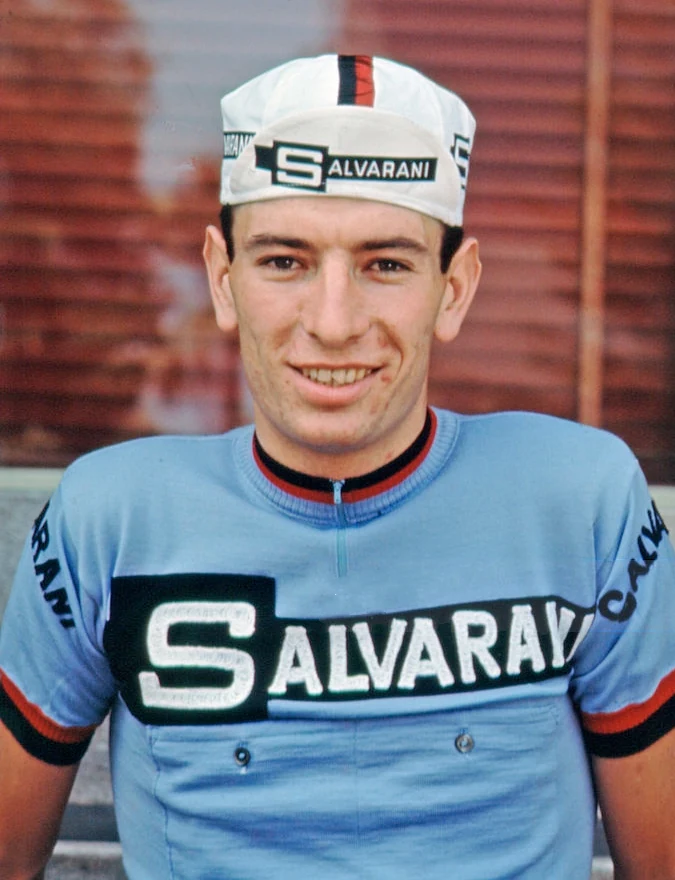
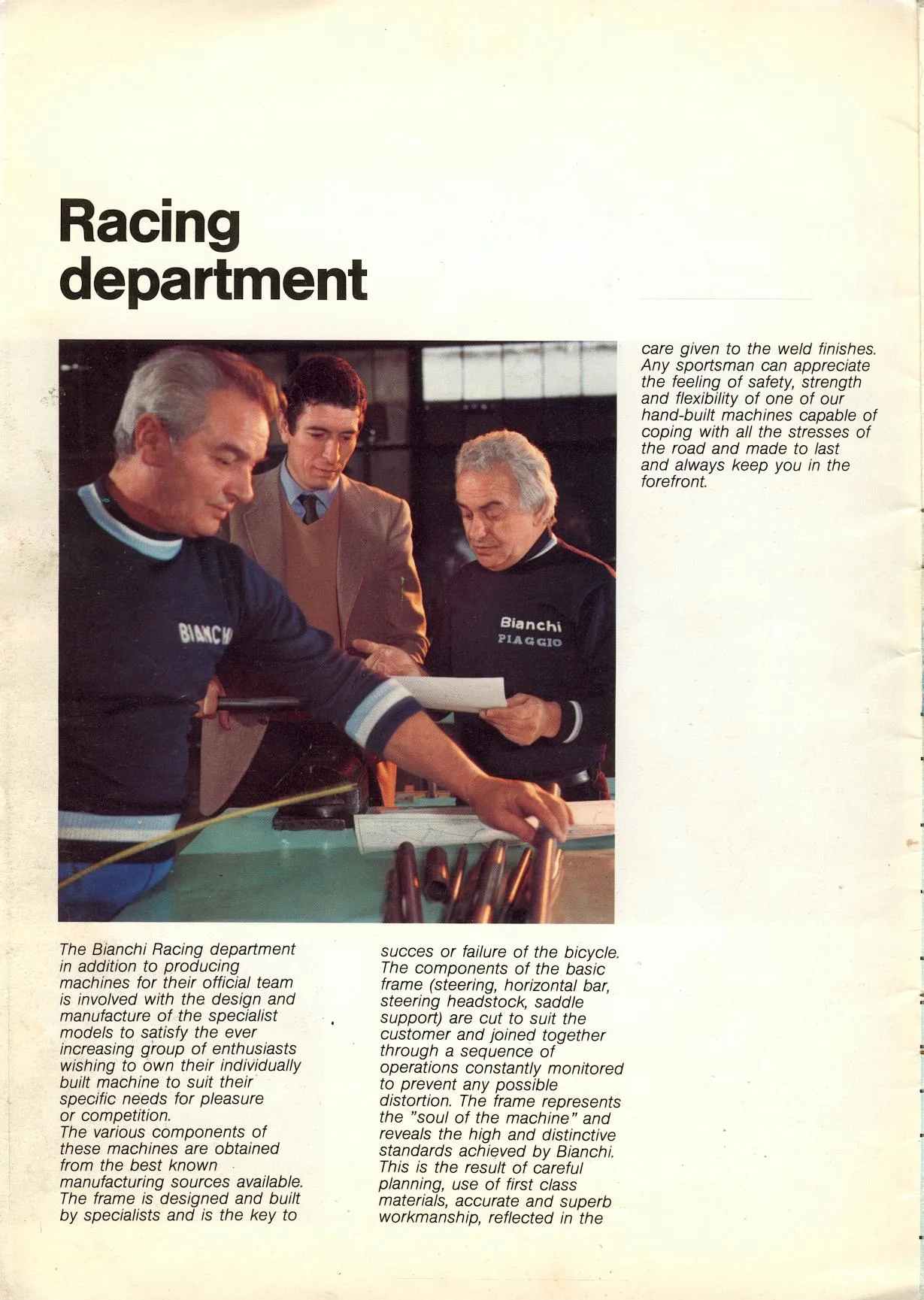
Bianchi’s own 1981 catalog, Reparto Corse Hand-Made Bicycles, tells the same story from the sales side. It names Gimondi and Piazzalunga, “appointed racing team engineer,” as the men who test the specialist models, and it offers the public the same department’s work: a frame “designed and built by specialists,” cut to suit the customer and “welded in a special temperature-controlled booth.” That booth is Piazzalunga’s glassed-in room, sold to the amateur as a feature.
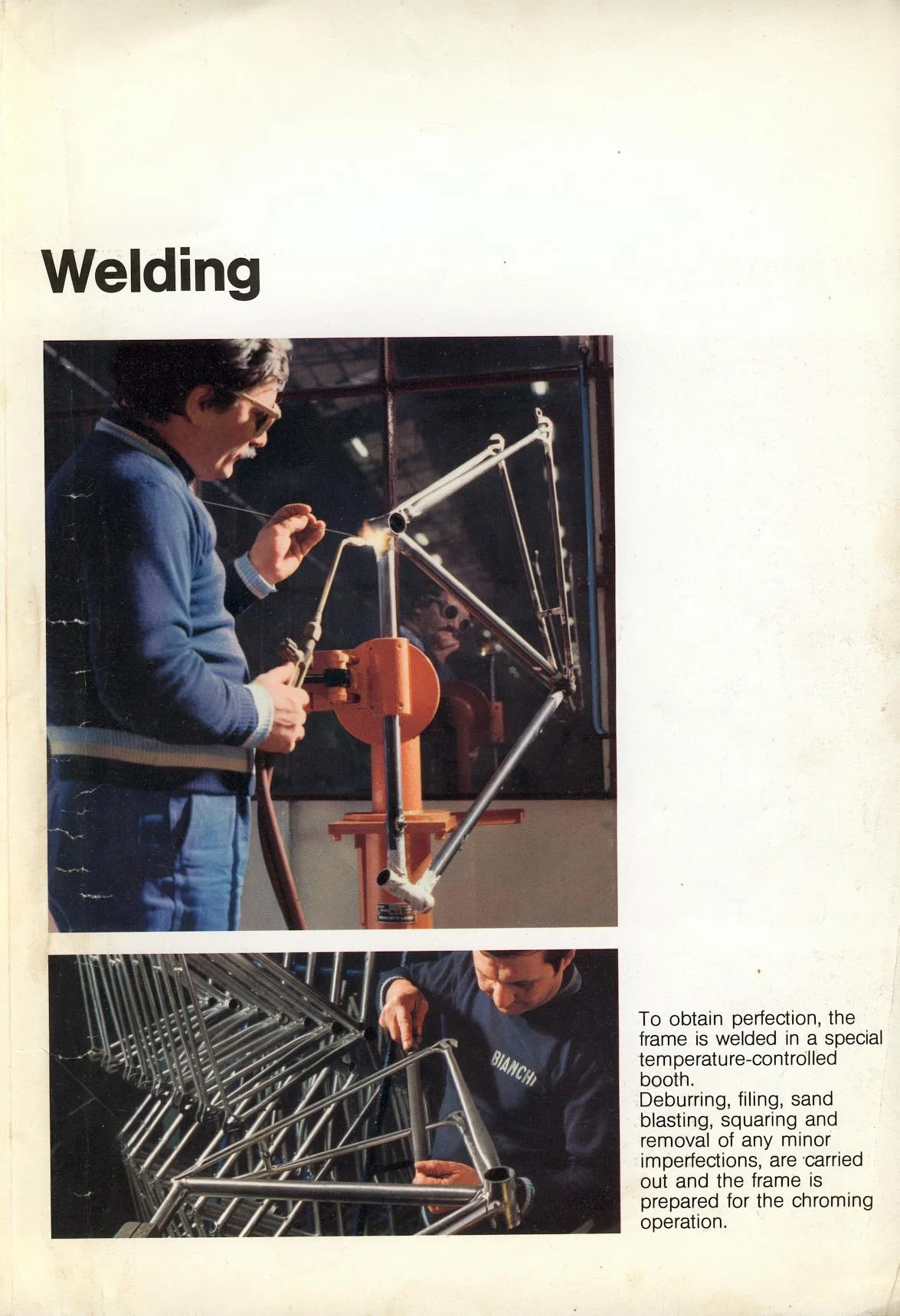
Both accounts can be true at once: a Bianchi department turning out team frames under the eye of the team mechanic, and a Milan builder turning out frames decaled as Bianchis. The badge on the down tube does not say which one a rider had.
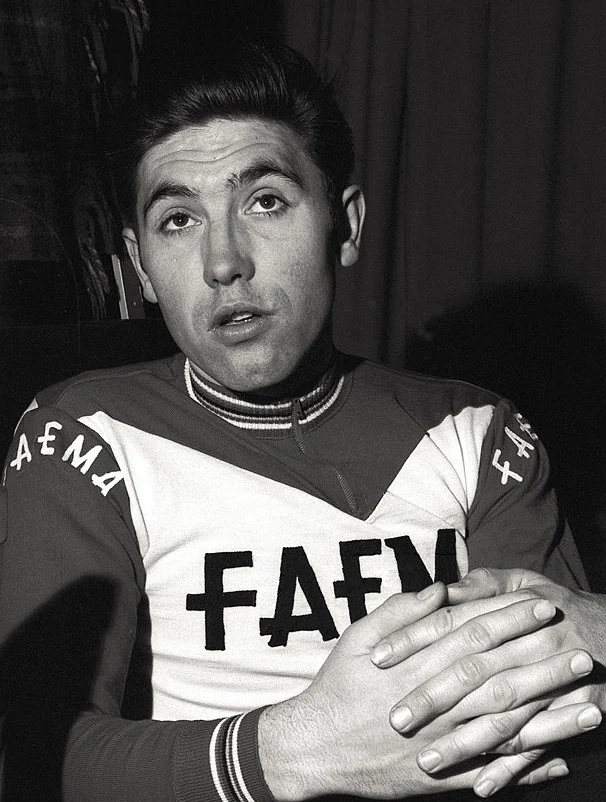
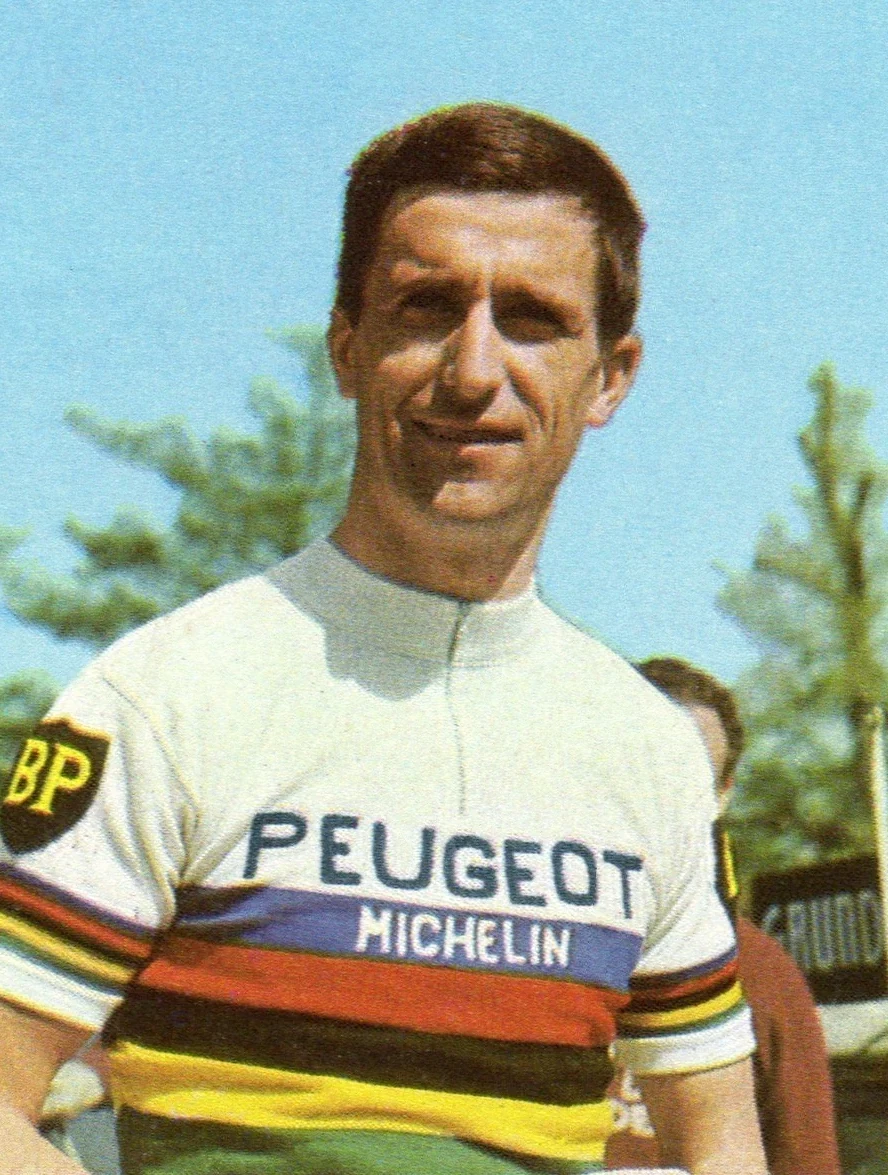
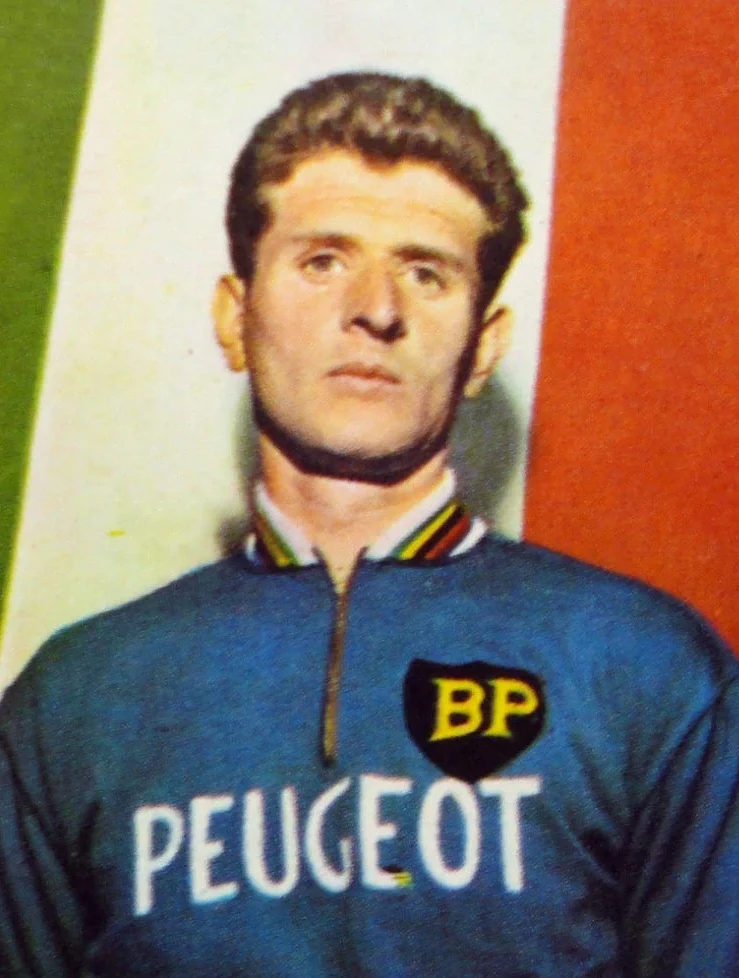
Milan’s other great name worked the same seam from the other side. Faliero Masi, “The Tailor” beneath the Vigorelli velodrome, built for riders whose contracts kept his name off their frames. By the account in Ebykr’s Masi history, the frame under Coppi was at times a Masi, Eddy Merckx’s world championship Faema bike came from his shop and Tom Simpson and Ferdinand Bracke rode Masis labeled Peugeot.

Even the Tailor had tailors. Mario Confente of Verona, who had worked for Sieber, Pogliaghi and Bianchi, survived for a time as a subcontractor to big-name builders. Jim Cunningham, who painted beside him at Masi California from 1975, recalled that Masi leaned so heavily on his local Italian subcontractors that he had to bring some of them to America to set up the new shop. Later, the cheaper Team 3V that Masi USA sold was built under subcontract by Mondonico.

No rider shows the system better than Merckx, who moved from builder to builder as his needs and his sponsors changed. Ernesto Colnago in Cambiago built for him from his Faema years through the hour record of 1972. In 1973 Merckx made Ugo De Rosa the official framebuilder and mechanic of his Molteni team, a partnership that dated from 1969 and lasted to the end of his career. When Merckx founded his own bicycle brand, De Rosa advised him on the factory.

Few figures embody the duality of master artisan and contract legend quite like Giovanni Pelizzoli. Best known to classic bike aficionados as the founder of Ciöcc, whose San Cristobal model took its name from a world title won on one of his frames in 1977, Pelizzoli’s true legacy stretches deep into the secret history of Italian racing steel.
Pelizzoli was born in Curno, just west of Bergamo, on 1 March 1942. He grew up in his father’s bicycle shop and served an apprenticeship in Ugo De Rosa’s workshop before founding Ciöcc in 1969 (his firm today dates its frames to 1967). The name was a family nickname that his grandfather and father had carried before him. While building under it, he also worked as a mechanic for the professional team G.S. Zonca.

In 1977 Claudio Corti, a young Bergamo amateur, won the world amateur road title at San Cristóbal in Venezuela on a Ciöcc, and Pelizzoli named his top road model after the city. (Francesco Moser won the professional race at the same championships.) By Pelizzoli’s account, Polish national and club teams raced Ciöcc frames in the 1970s and 1980s, and when Czesław Lang took the silver medal in the Moscow Olympic road race of 1980, the firm commemorated it with a model called the Mockba 80.
Pelizzoli sold Ciöcc in 1980, to Luigi Conti, and from 1983 built under his own name in Curno. It is the next chapter, told in his own account of his career, that makes him a phantom torchbearer. In 1993 the Masciaghi brothers, who made frames under the Fausto Coppi name, put him in charge of designing and manufacturing their top racing frames, including those for Team Polti. From 1995 the MG Maglificio-Technogym squad raced his aluminum frames, decaled Fausto Coppi, and Gianni Bugno won the Italian road championship on one that year. Pelizzoli adds that at the Atlanta Olympics of 1996, the first open to professionals, Pascal Richard, Rolf Sørensen and Max Sciandri took the road race medals on the same frame design. Nowhere on those bikes was his name.
Pelizzoli went on to work in titanium and carbon at a factory of his own, T.I.T.A.AC., before returning to steel. His son Samuel now carries on the workshop in Curno, where Cicli Pelizzoli still builds frames to order. The Ciöcc name went its own way: Conti sold the company in 1991 to three of its framebuilders, and in 2011 Pelizzoli said he hoped it would one day come back to its first home.
The clearest modern case is Dario Pegoretti. In 1975, at 19, he went to work for the framebuilder Luigino Milani, later his father-in-law, in Illasi, east of Verona. Once he had learned the basics he made production frames for Pinarello, and then custom frames for professionals on Pinarello-sponsored teams. Miguel Indurain’s Banesto bikes are the famous example: collectors still argue over which of the Pinarellos under the five-time Tour winner came from Pegoretti’s torch. The riders credited to him include Indurain, Marco Pantani, Claudio Chiappucci, Mario Cipollini, Stephen Roche and Andrea Tafi, almost none of them on bikes that carried his name.
Only in the early 1990s, encouraged by Giorgio Andretta of Gita Sporting Goods, Pinarello’s American importer, did Pegoretti begin building under his own name. He became one of the most admired builders of his generation and died in Verona on 23 August 2018, aged 62.

Most of his peers never made that step. When Ebykr asked the illustrator Stefano Dragonetti about the builders of the past, he answered that the best were probably “those we know little or nothing about.” Italy, he said, had many contract builders who made high-quality frames decaled as somebody else’s, and he named three: Serena, Milani and Messori.
At the industrial end of the trade sat firms like Billato Linea Telai, founded in 1954 to build frames for the elite of Italian racing. At its height, by one trade account, it was turning out about 5,000 frames a year for other brands’ labels, a large share of them custom frames for professional teams. Billato is also said to have built the later Ciöcc frames, which brings this story back to where it began.
So, how does a classic bike collector separate a standard factory production frame from a genuine team-issue build crafted by a master contract builder?
Not easily. Because contract builders were required to disguise their work, identifying these machines requires a distinctly forensic approach. The clues are rarely in the paint, and the strongest are not in the steel at all.
The best evidence is written down. Colnago’s order card for Merckx, at the top of this article, ties one frame to one rider and one season. The Bianchi team’s production registers that belonged to Pinella De Grandi, Coppi’s mechanic, became the basis of Paolo Amadori and Paolo Tullini’s book Coppi’s Bicycles. A team mechanic’s letter, a builder’s certificate or a period photograph that shows the same braze-ons is worth more than any number of stories. The 1977 Corti San Cristobal that came to market with a certificate from the Pelizzoli workshop and both men’s signatures shows the standard to look for.
Factory production lines followed rigid, sequential serial-numbering systems. A frame built outside that sequence may carry:
No code was universal, and a stamp proves less than it seems: anyone with a set of letter punches can add one.
Factory production lugs were often cast or stamped and lightly cleaned before brazing. A builder working to one rider’s order had time for more:
While consumer models carried official Columbus or Reynolds tubing decals corresponding to a single tubeset family (all Columbus SL, for example), team builds often mixed gauges. Tubes were sold singly as well as in sets, and Piazzalunga’s request for “rather rigid tubing” for Gimondi is the kind of order that produced a heavier-gauge down tube, from Columbus SP for instance, in an otherwise light frame for a powerful rider. The transfer on such a frame may name only one family.
Attributions travel fast and settle hard. The claim that Billato built Greg LeMond’s 1989 Tour de France time trial bike, sold as a Bottecchia, rests on a single email forwarded to a mailing list, whose own members doubted it at the time. Team replicas, repaints and “ex-pro” sale listings multiply such stories. Treat an attribution with no paper behind it as a lead, not a fact.
As carbon fiber monocoque construction supplanted lugged steel in the late 1990s and early 2000s, the era of the contract steel builder gradually drew to a close. Carbon molds favored uniform mass production, rendering the old world of torch-and-jig custom steel a rare, specialized art form.
Yet, the legacy of Pelizzoli, Pegoretti, the Dralis and their fellow terzisti lives on in the garages and private collections of vintage cycling purists.
These secret builders were never credited on the victory podiums, nor did their names appear in the glossy promotional catalogs of cycling’s golden age. But without their quiet mastery, their late nights over the brazing hearth and their refusal to compromise on the craft, many of cycling’s greatest legends would never have ridden into history as they did. And for these wonderful memories, we should all be thankful.
Ebykr Catalog Archive
Bianchi 1981 catalog, Reparto Corse Hand-Made Bicycles
Ebykr
Reparto Corse: Edoardo Bianchi and the History of Bianchi Bicycles
The Mystique of Masi: From Vigorelli to Volumetrica
Mario Confente: Passion Personified
Ernesto Colnago: Fortune in Fracture and Ferrari
Ernesto Colnago Photo Gallery
Ugo De Rosa: Father of the Future
On The Record: Stefano Dragonetti, Bicycle Illustrator
Builders and riders
Pietro Piazzalunga, Bicycle Mechanic to Champions, oral history by Bill McGann and Valeria Paoletti (BikeRaceInfo)
Cicli Artigianali, Drali
Italian Cycling Journal, Correction re: Ciöcc, Pelizzoli World, etc., 8 February 2011
Italian Cycling Journal, A Visit to Ciöcc for a Restoration, October 2009
Cicli Pelizzoli, The workshop
Cicli Artigianali, Ciöcc
Steel Vintage Bikes, Ciöcc San Cristobal, Claudio Corti personal bicycle, 1977
1977 UCI Road World Championships
Cycling at the 1980 Summer Olympics, men’s individual road race
MG Maglificio (cycling team)
Handbuilt Bicycle News, Dario Pegoretti obituary
Dario Pegoretti
National Post, Maestro of movable art, 17 September 2018
Road Cycling UK, Billato bikes
Bike Forums, the Billato and LeMond email
Paolo Amadori and Paolo Tullini, Coppi’s Bicycles
The Ebykr Digest
New articles, timelines, catalog finds and registry activity — assembled from the archive once a month. Your address is never shared.
Double opt-in. One email per month. Unsubscribe at any time with one click.