About Ebykr
Ebykr celebrates classic and vintage lightweight bicycles through provoking imagery and opinion. Ride along with us.
About Ebykr
Ebykr celebrates classic and vintage lightweight bicycles through provoking imagery and opinion. Ride along with us.

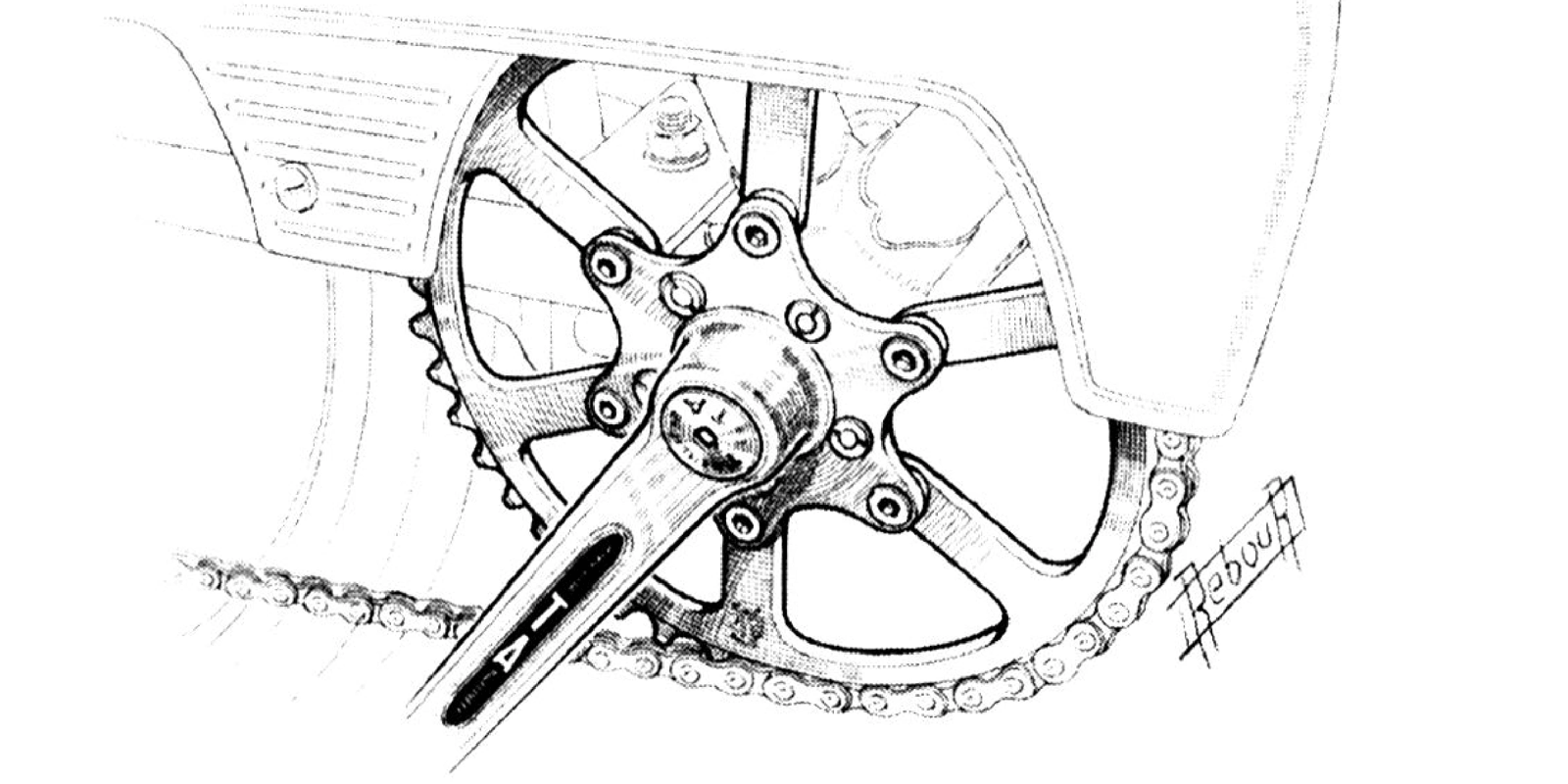

Spécialités TA is one of the most remarkable paradoxes in cycling history: an absurdly small company that has held global fame and respect since 1947. It has never employed more than a handful of managers over a production staff of around 30 dedicated personnel, yet its parts have circled the globe and carried some of the greatest names in the sport across the finish line. To understand how a workshop that size earned a reputation most larger firms would envy, you have to start with its founder and a material that was still exotic when he first picked it up.
Georges Navet was an ébéniste, a cabinetmaker, by training, and a keen cyclist who rode brevets as a member of the serious Audax Club Parisien. His was a mind built for exacting, patient work. During the German occupation of France, in 1942 and 1943, Navet moved from wood to metal and took a post as an ajusteur-monteur, a fitter-assembler, at the Levallois workshop of the legendary René Herse. Herse, one of the great artisan constructeurs, had been working with duralumin since around 1930, drawing on aerospace practice to build bicycles of startling beauty, utility and lightness. That aluminum alloy, discovered in 1908 and used in aviation from the 1920s, would become the cornerstone of Navet’s own legacy.
Navet was not the only Frenchman chasing lightness. Stronglight, founded in 1931 by Louis Vérot at the Établissements Vérot-Perrin in the Loire, had already produced the first duralumin crankset, a five-bolt design on a 50.4mm bolt circle diameter that Alfredo Binda won on at Milan-San Remo that same year. This was the world Navet stepped into when the war ended: a small, fiercely inventive French component scene where a well-made alloy part could change how a bicycle rode and thus a company’s success.
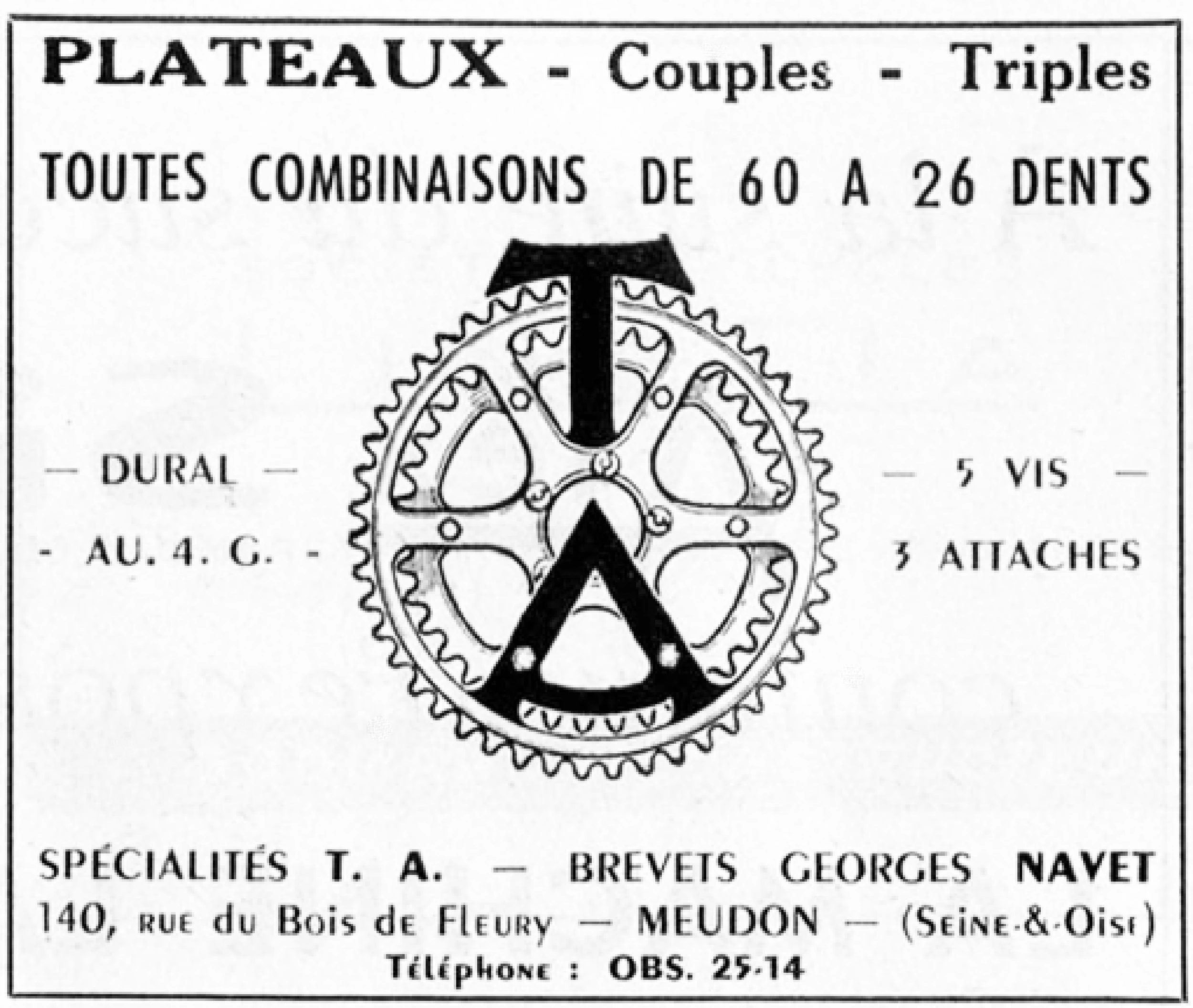
In 1947 Georges and his brother Louis founded Spécialités TA in Clamart, just southwest of Paris. The initials stood for “Traction Avant,” or front-wheel drive, and they pointed to Navet’s genuinely radical first idea: a bicycle driven not by the rear wheel but by a crankset fixed to the front. It was an era enchanted by front-wheel drive, most famously through the Citroën car of the same name, and the concept was audacious. It was also ill-fated. Navet never managed to perfect the design for commercial production, and the company was founded, in effect, to promote an invention that never reached the market.
That false start was quietly buried, thankfully for us classic lightweight afficianados. Over the years the front-wheel-drive origin went conspicuously unmentioned in TA’s marketing, which hurried the eye instead toward the product that truly launched the firm: Navet’s aluminum chainring of 1947, a component TA rightly claims was a significant step forward in the evolution of bicycle componentry. The company founded on a failure had found its calling almost immediately and it would spend the next 80 years perfecting it.
An alloy chainring was no small thing in the late 1940s. Duralumin cranks and rings could shed something like 500 grams against a forged steel equivalent, effectively transforming how a bicycle climbed and accelerated. Navet understood the opportunity was not only in the ring itself but in what a rider could do with it and he built his early success on a shrewd piece of compatibility.
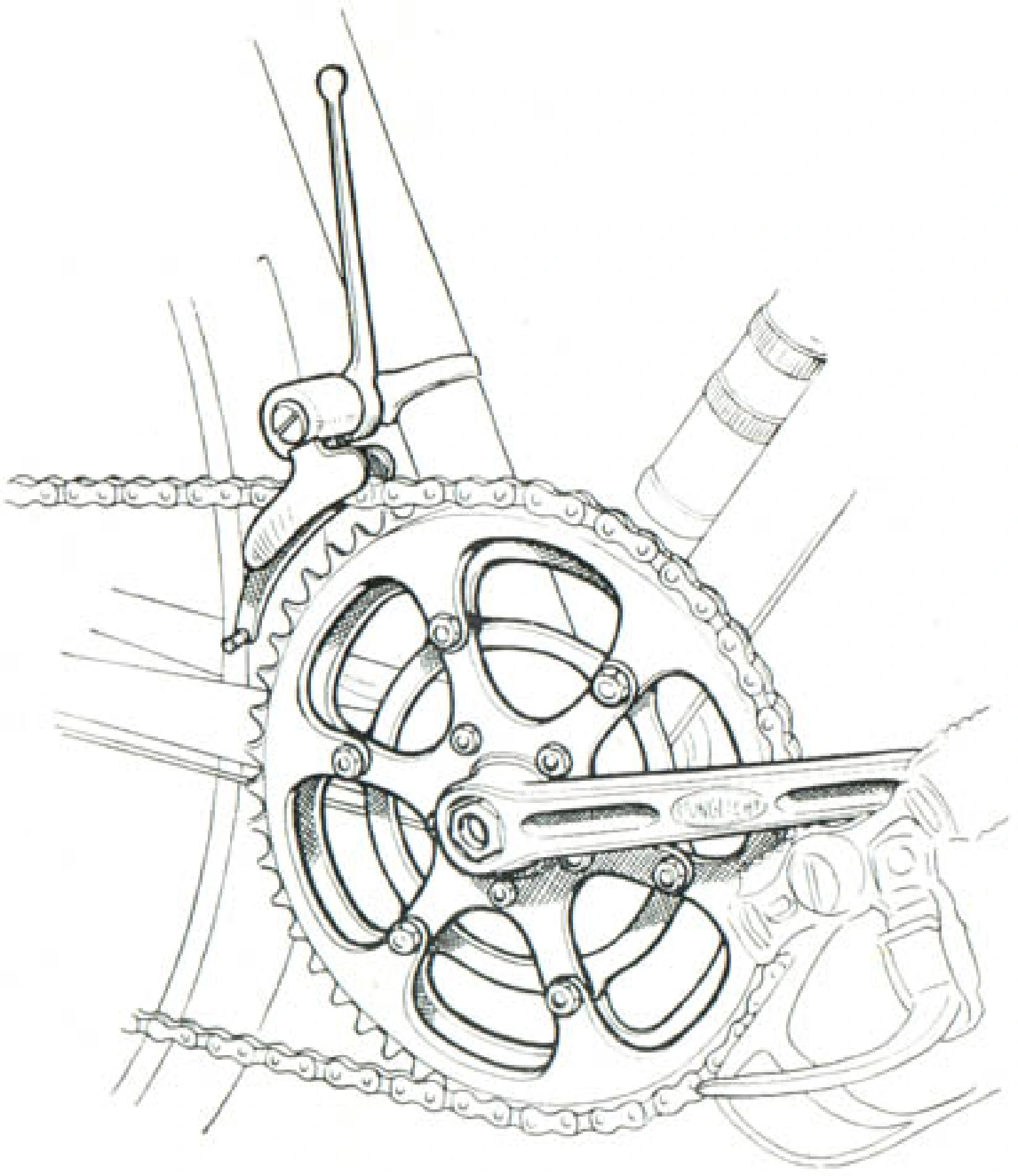
At the time the Stronglight 49D was the dominant French crankset, so TA produced a vast range of aluminum rings designed to fit its 50.4mm bolt circle diameter and five-bolt mounting. Suddenly the cyclotouriste could customize gearing with a precision and range the original makers never offered, mixing and matching teeth to suit the terrain rather than the catalog. Compatibility was the beachhead. By the late 1950s TA had moved beyond supplying rings for other people’s cranks and set out to build complete cranksets of its own.
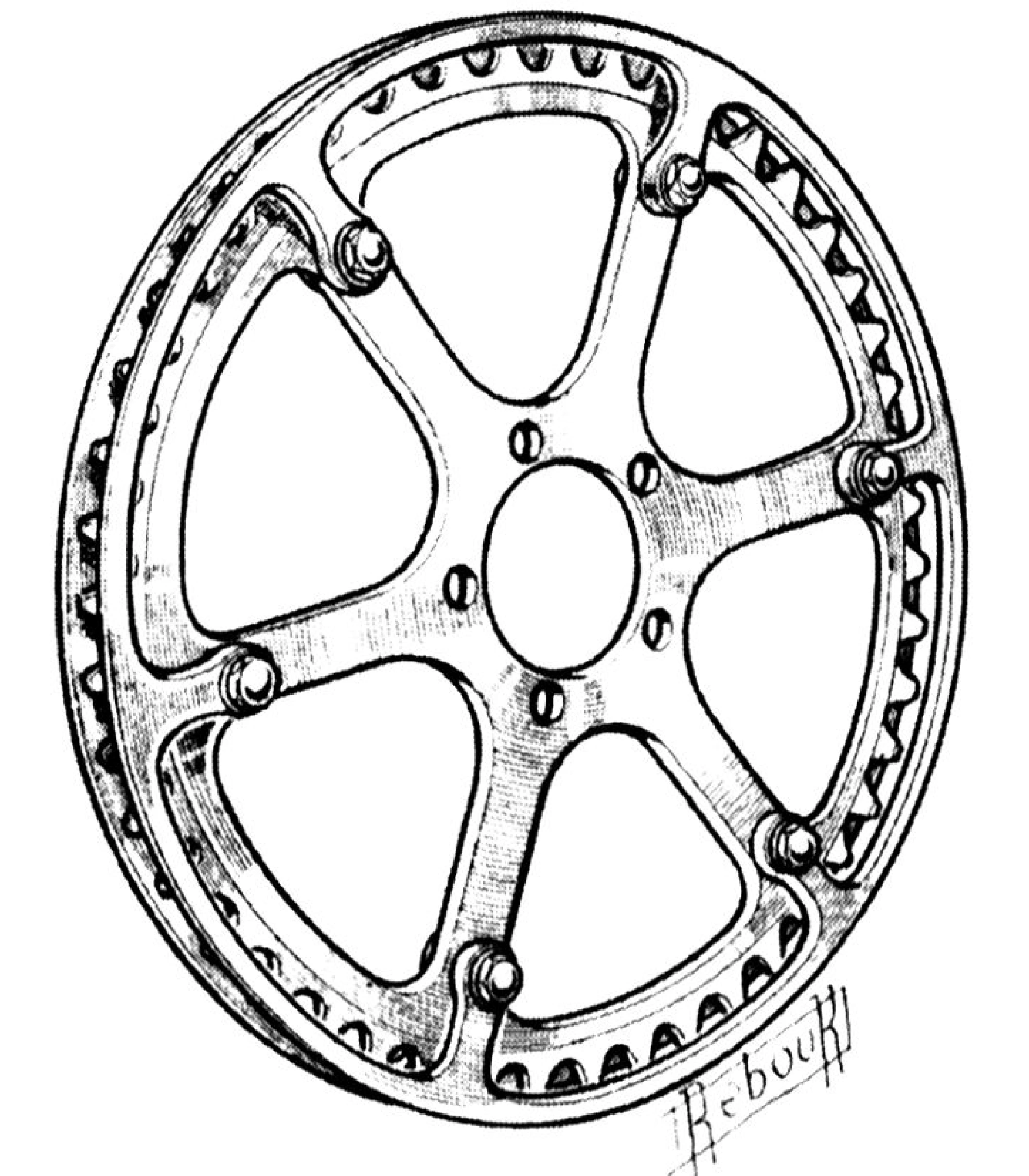
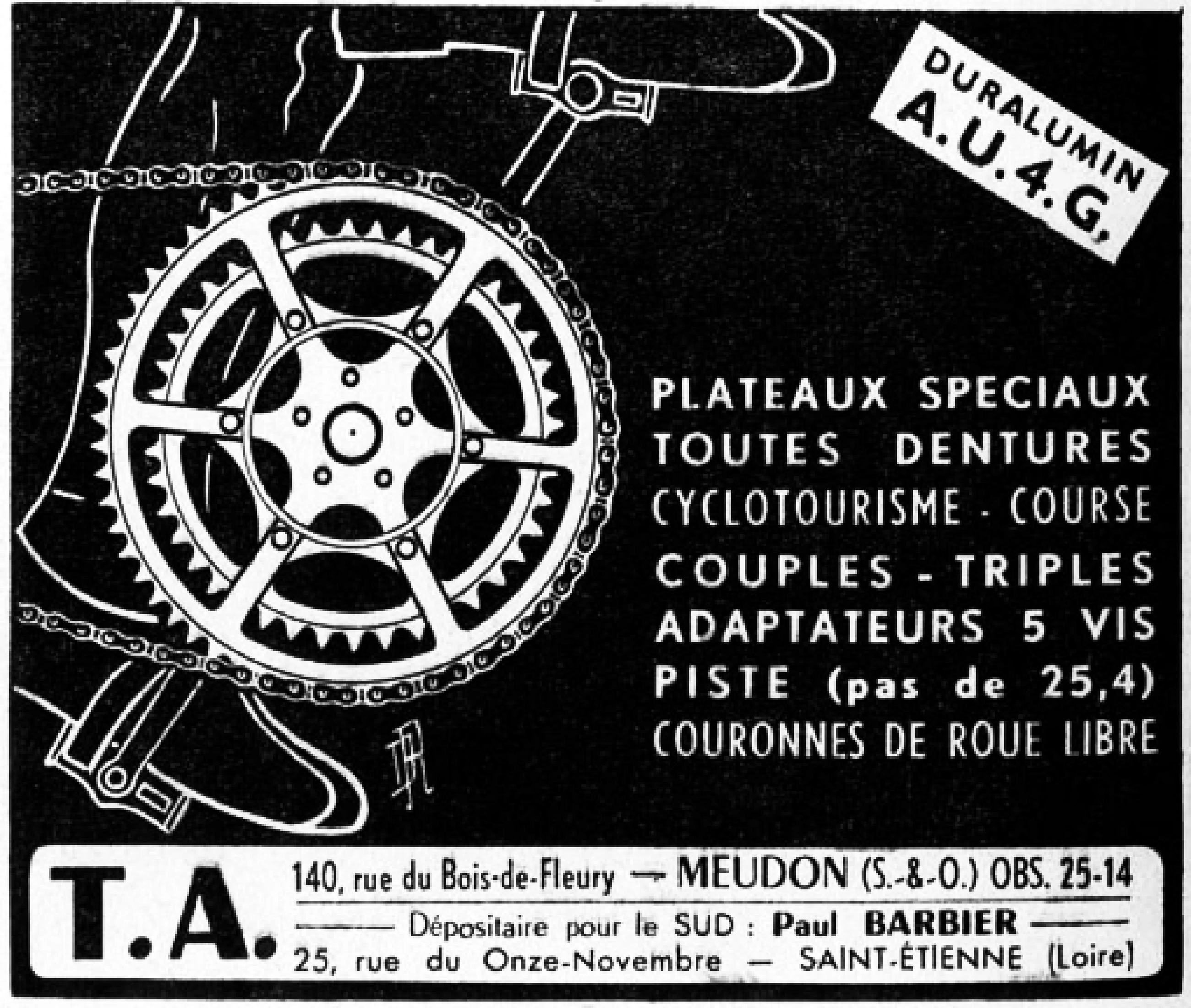
That first crankset, the Criterium (reference 1500), remains a holy grail for collectors and for good reason. Introduced in the late 1950s, it was the lightest crankset on the market at the time it appeared, and like most TA products it was meticulously made and beautifully finished. It was also gloriously peculiar, not altogether unlike the company at-large.
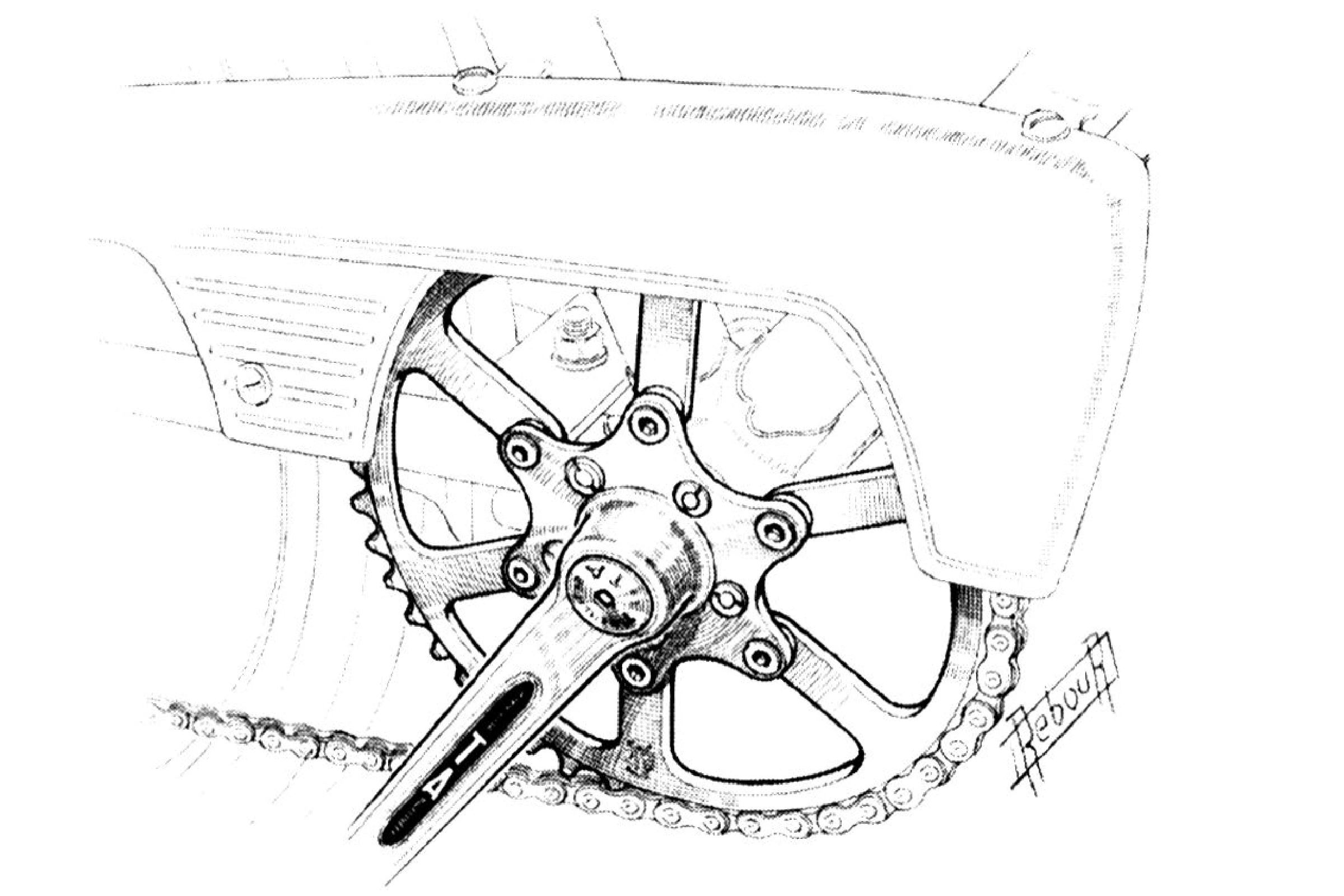
Rather than a conventional cotter hammered into place, the Criterium used a distinctive teardrop-shaped cotter tightened by an Allen bolt on a specially shaped axle. Because it needed no hammer blows to seat, the fixing was inherently more secure, and it allowed the crank roughly 4mm of lateral movement in either direction so a rider could dial in a perfect chainline. The trade-off was that the design demanded its own matching bottom bracket, which is precisely why a complete, functional Criterium is so hard to find today. It was a brief, ingenious detour toward a better cotter just before the company committed fully to the square-taper fitting that would define its next crank.
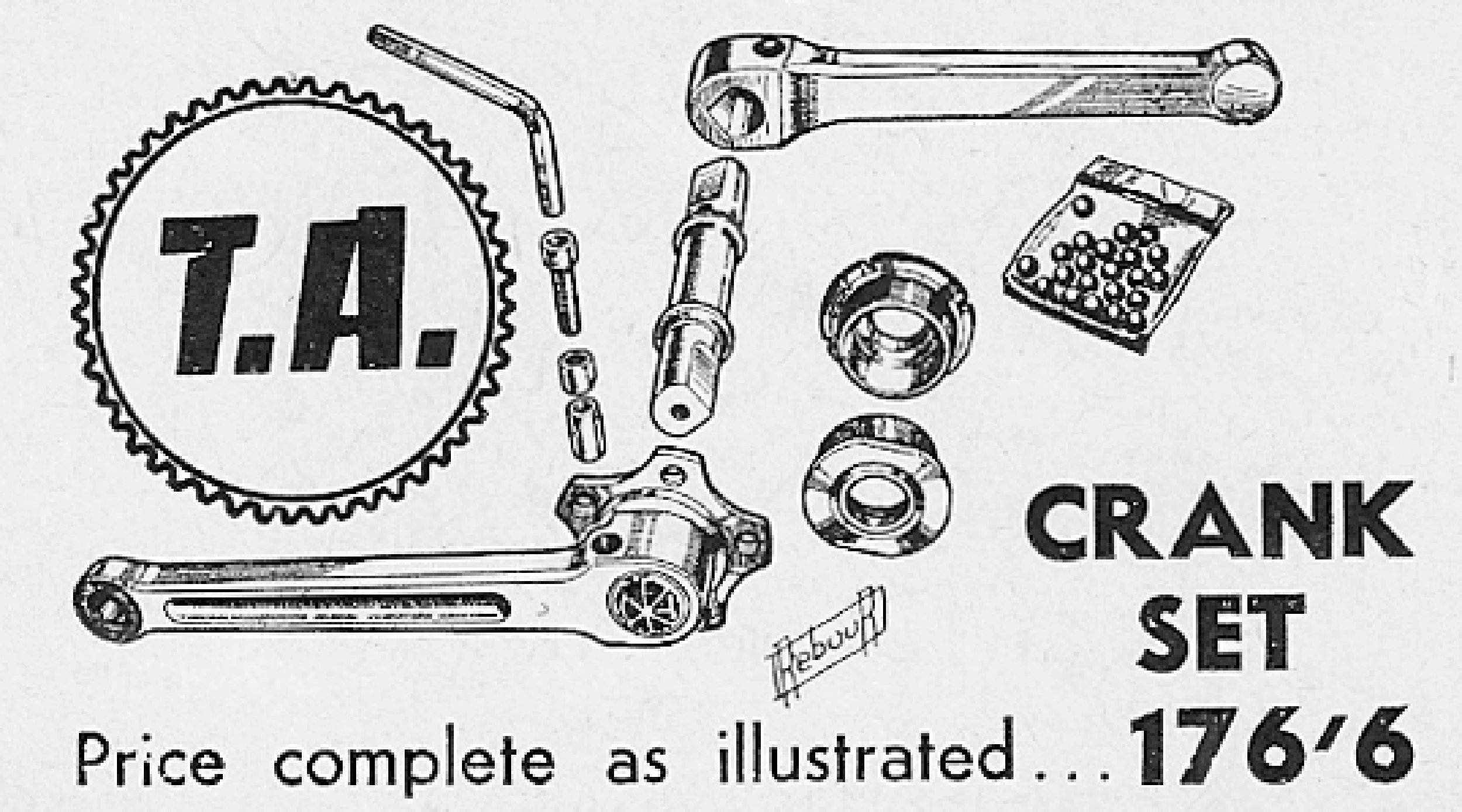
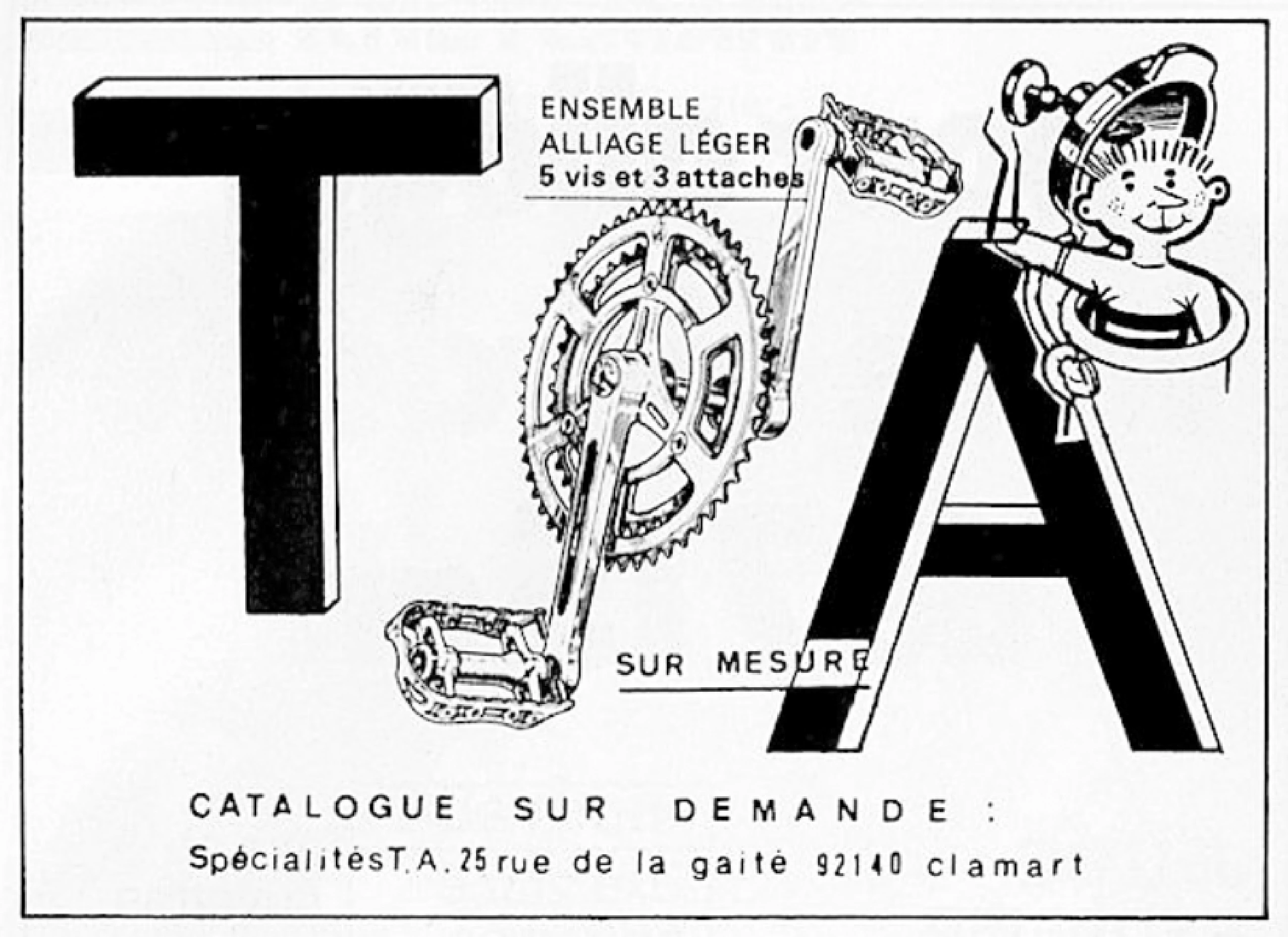
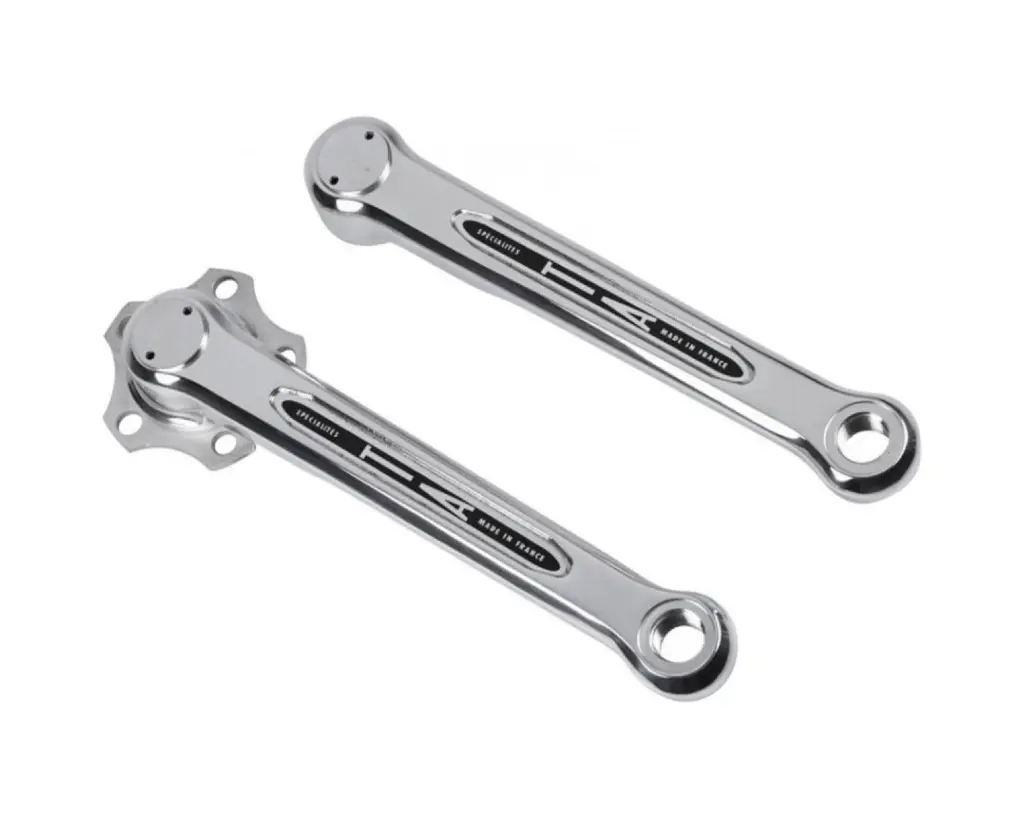
Introduced in 1963 the Pro 5 Vis crankset has remained in production nearly unchanged for some six decades and it is still, remarkably, state of the art. It is a masterclass in versatility and durability, and its specifications are almost comically inclusive:
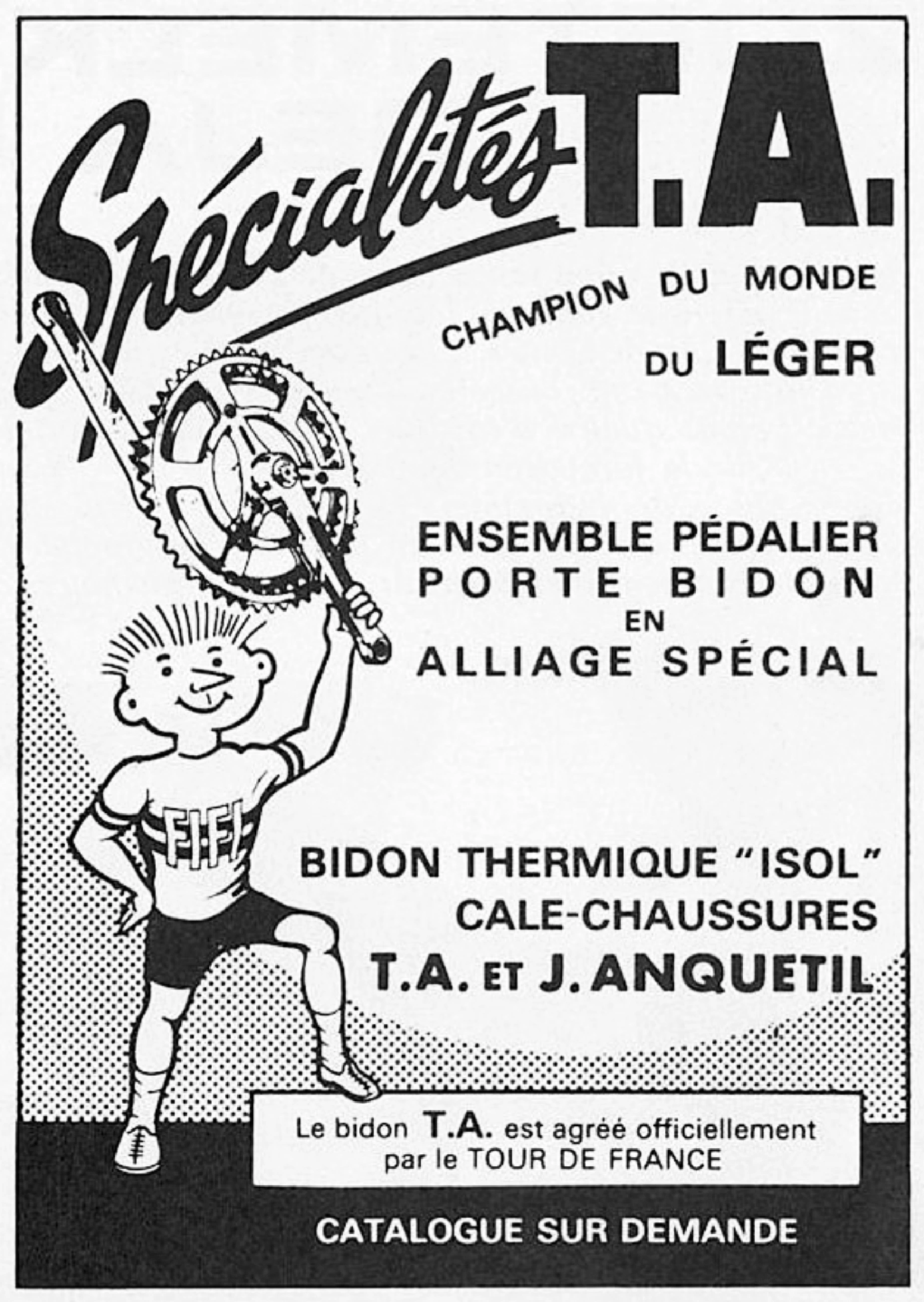
The five-bolt Pro 5 Vis is the most famous TA crank, but it never stood alone. The company also offered a three-arm “Pro 3 Attaches” model, dedicated track cranks (reference 255) and tandem crossover sets (reference 201), each a variation on the same obsession with fitting every kind of rider. TA leaned hard into that versatility in its advertising. A print campaign from around 1980 boasted of “1 million combinations, always in stock,” and it was barely an exaggeration: between a dozen crankarm lengths and the enormous span of Cyclo-Touriste rings that all share one spider, the mathematics of a TA drivetrain really were close to endless.

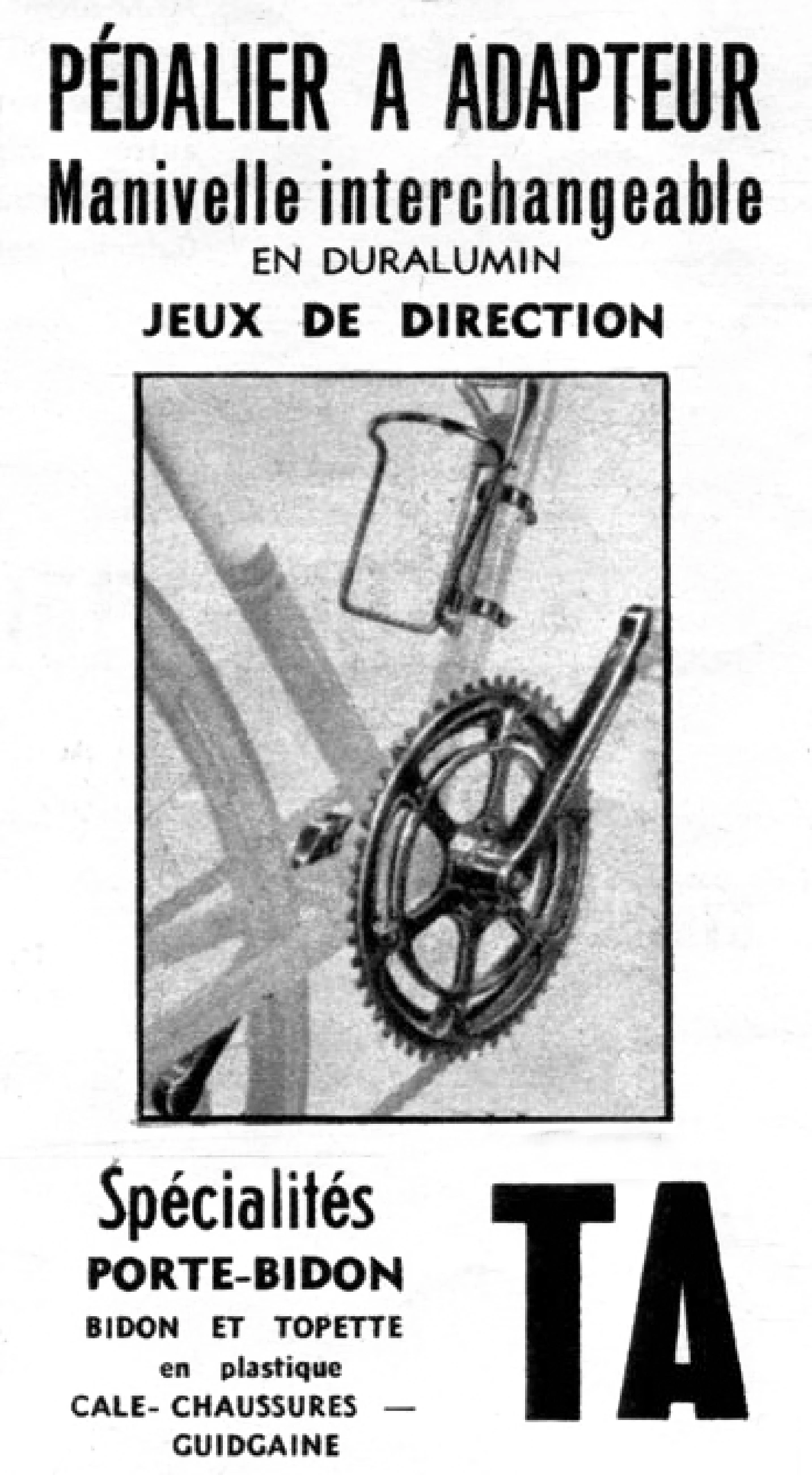
A crank needs something on the end of each arm and TA made those, too. Its traditional cage-type pedals, built for riders who still prefer clips and straps, are more sophisticated than they look, elegantly combining ball and needle bearings for smooth, long-lived rotation — including on a pedal TA patented as early as 1943 and brought to market in 1952. In the middle sits the Axix bottom bracket, the company’s leading unit historically, offered with a steel axle from 103 to 131mm in length at around 220 grams complete, or a lighter titanium axle from 103 to 122mm at just 145 grams. A cup wrench comes in the box, naturally (and critically).
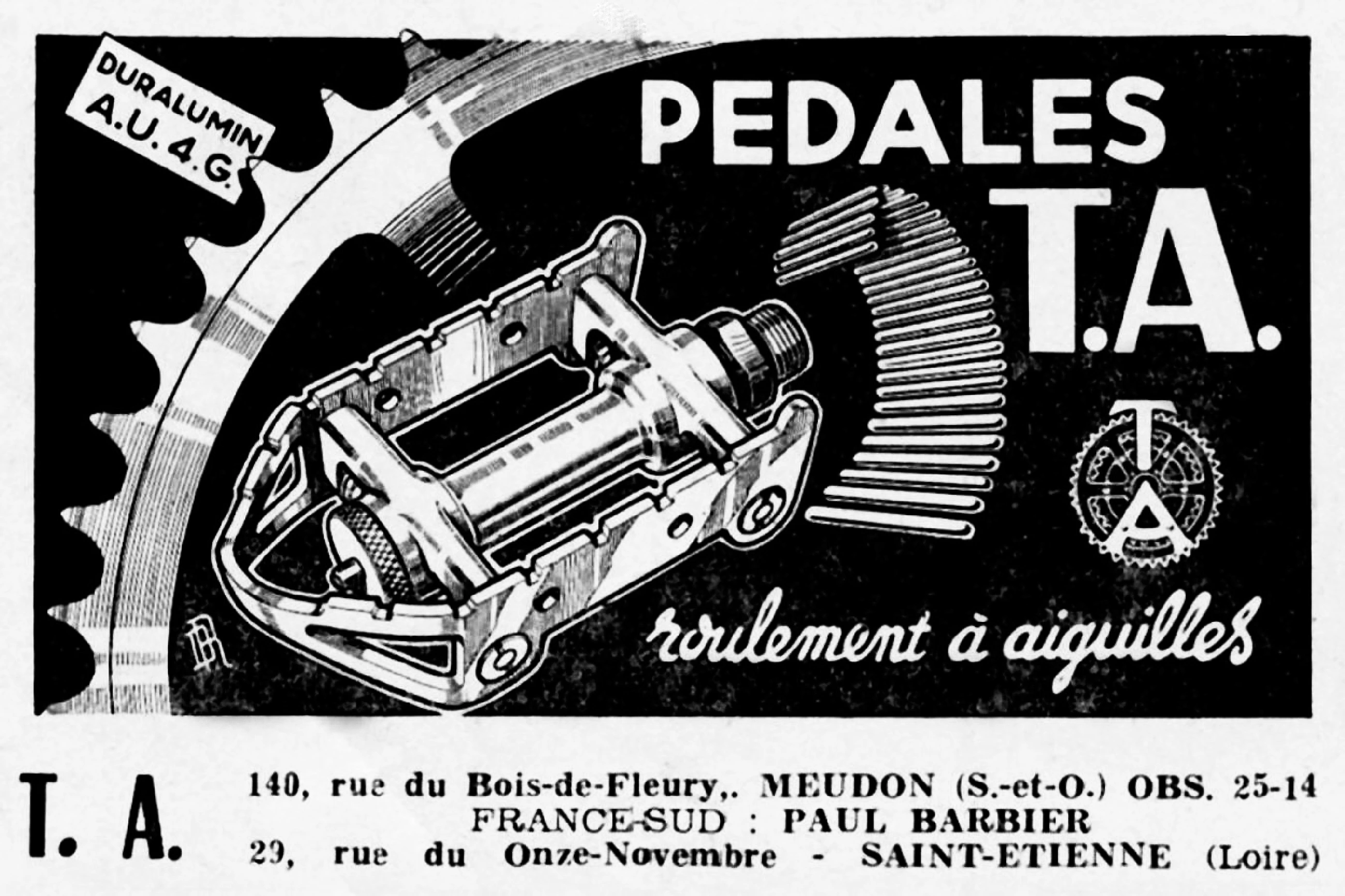
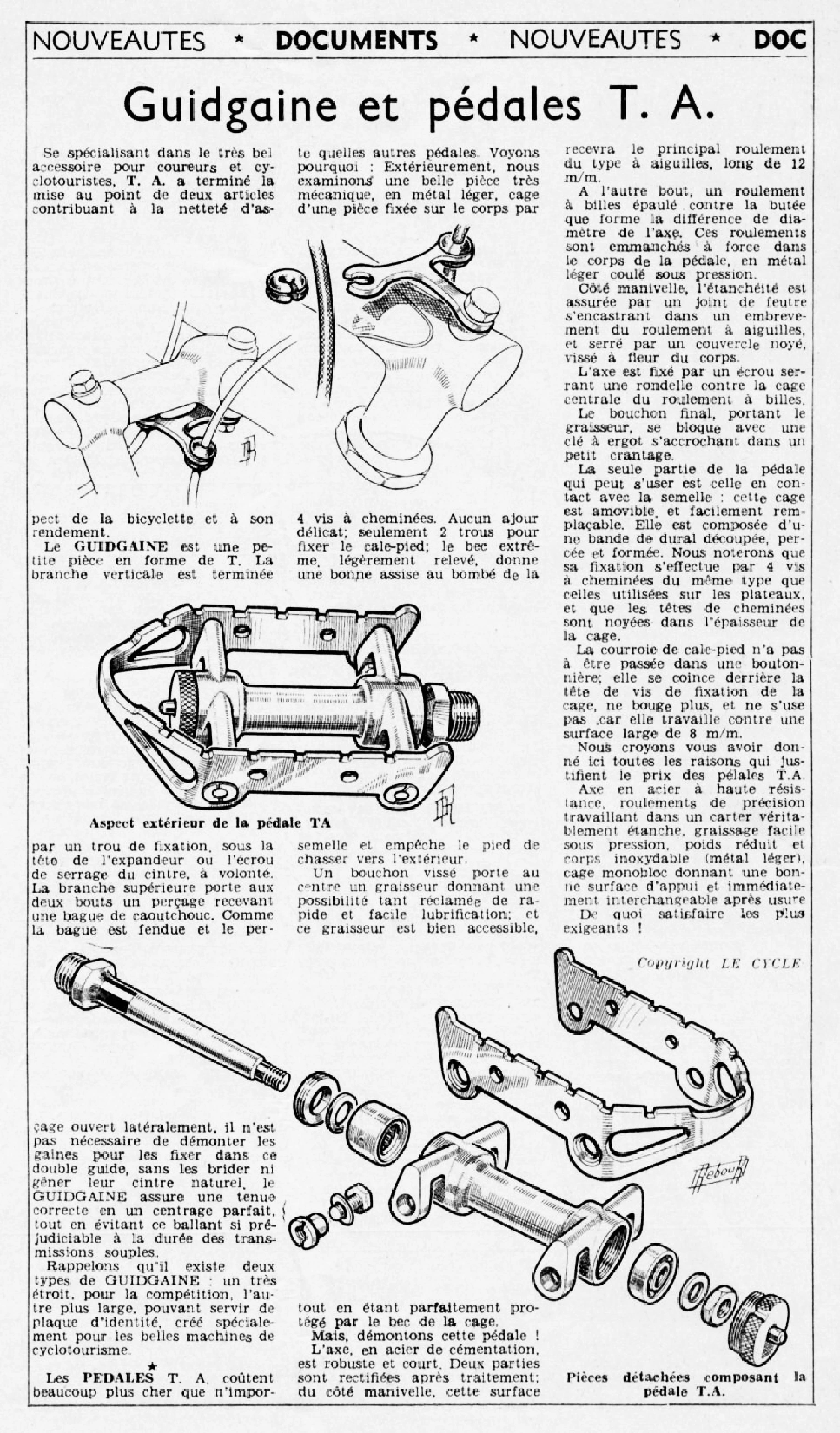
From there the range keeps widening in ways you would not expect from a drivetrain specialist. TA developed guides to prevent chainsuck and a broad line of chainwheel protectors, including inner protectors for granny gears, dedicated models for BMX and a carbon-fiber version for serious cyclocross racers. A group of headsets, all threadless in the modern line, rounds out the hardware. And then, almost paradoxically, there are the water bottles.
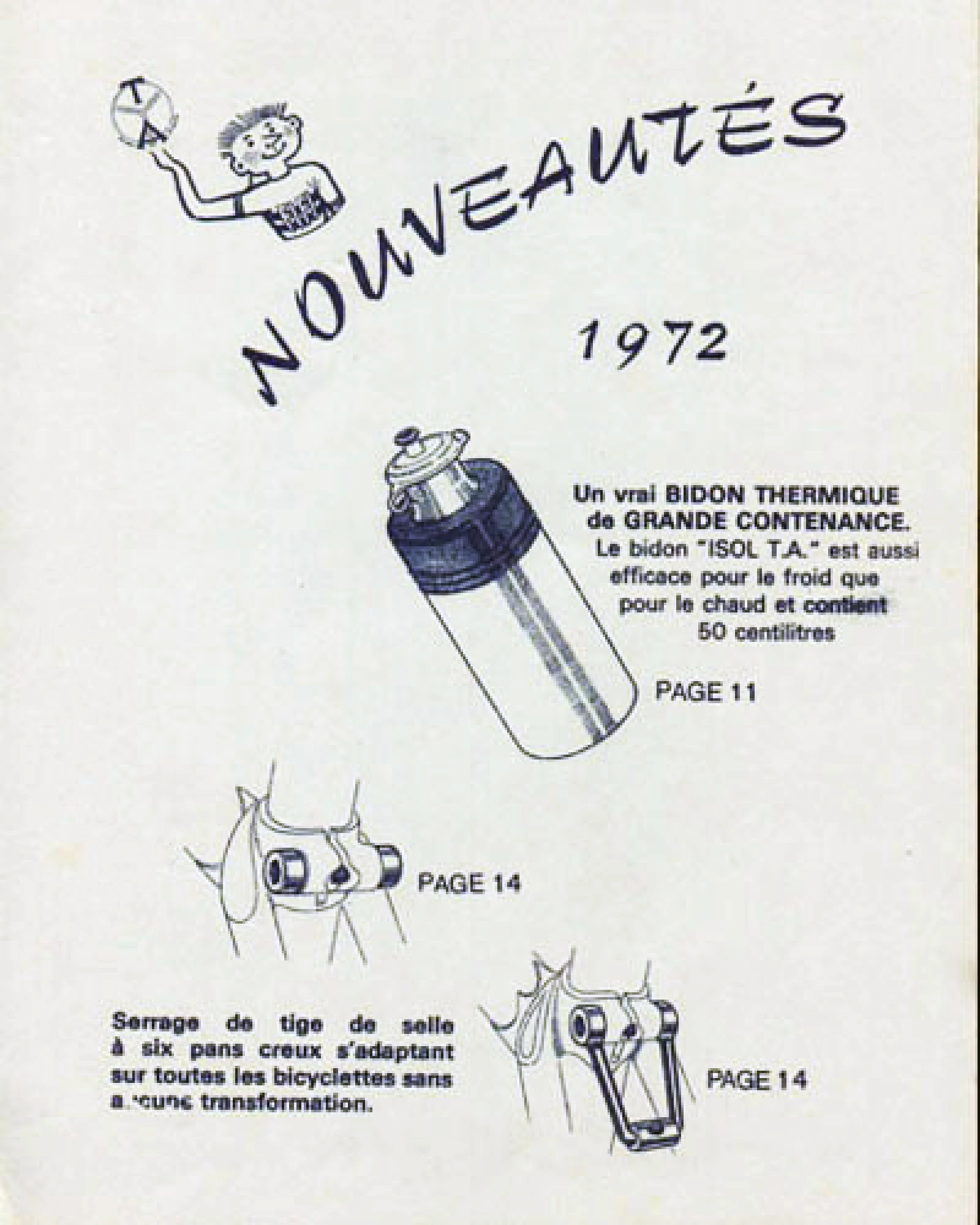
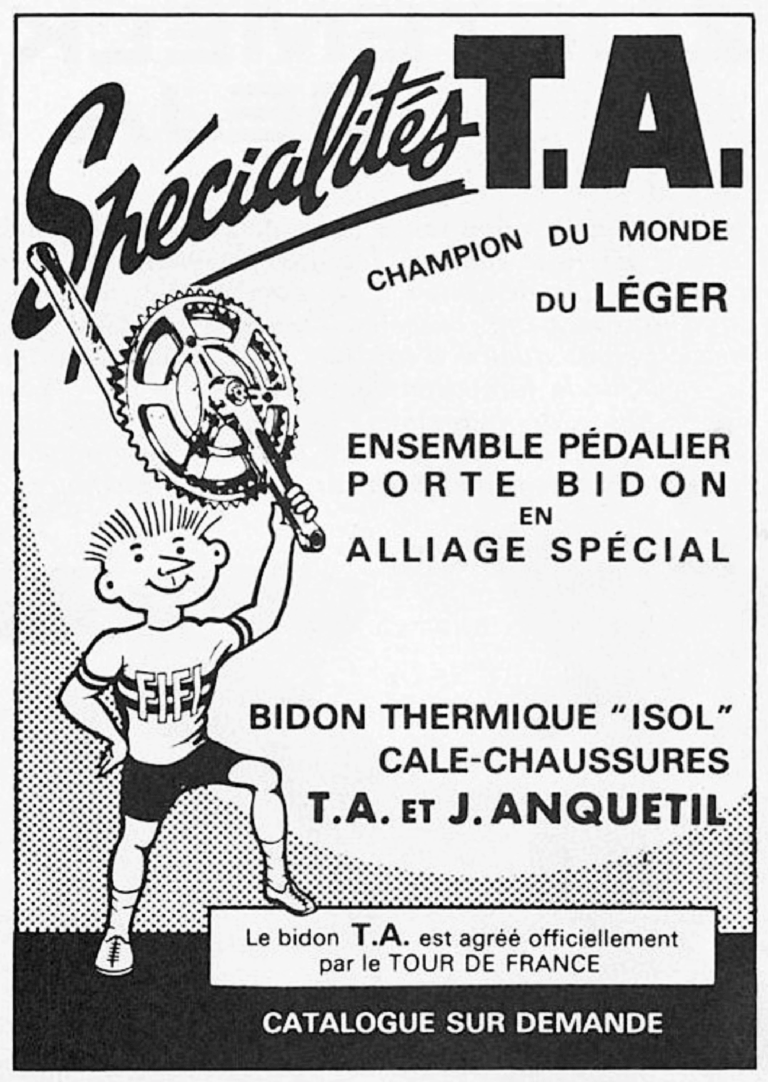
For a company famous for gears TA is equally renowned for its bidons and cages, which it treats as a kind of calling card. The bottles are made from food-grade plastic and the highly collectible cages were made from steel before requisite aluminum and now carbon fiber models took over, and the supporting operation is far more serious than a novelty sideline: TA runs design-studio and photo-lab services to produce custom bottles for clubs and events, for example. It is a strange, charming breadth for so small a firm, and it is entirely in character.
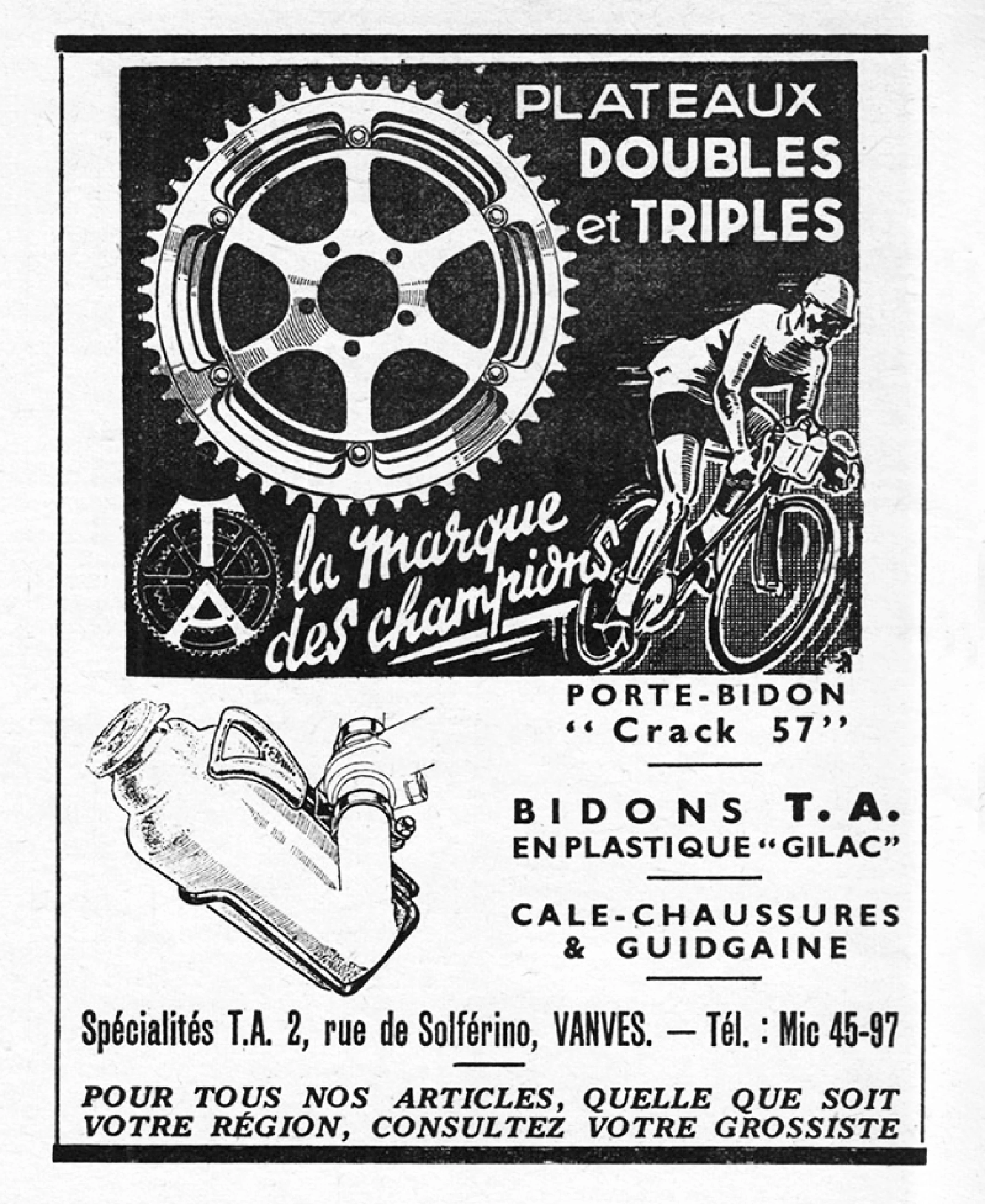
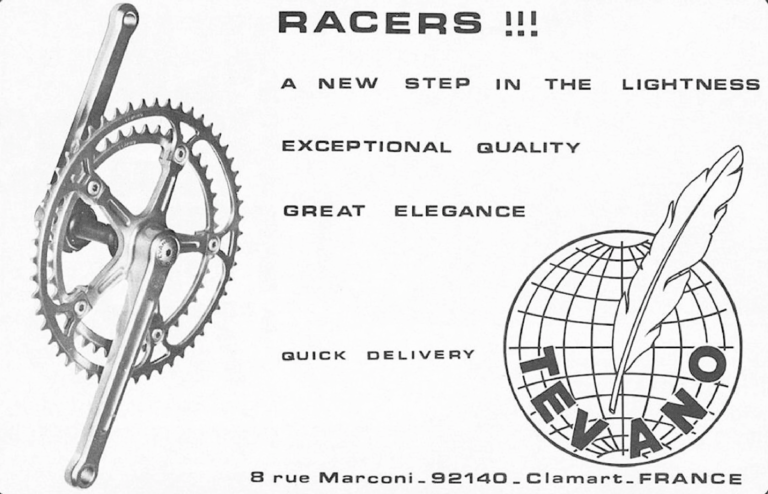
By the mid-1970s TA wanted a foothold in the high-polish, high-status world ruled by Campagnolo and it created a sub-brand to get there. Tevano was TA’s answer to the Campagnolo Super Record, built around the Italian 144mm bolt circle so it could play in the same arena and finished to look every bit as glamorous as its rival.

The name was the tell. However Italian “Tevano” sounds, the brand was thoroughly French: “Tevano” is an anagram of “Navet,” the founder’s own name, with an “O” tacked on for a little Mediterranean flair. It was a wink hidden in plain sight and a neat summary of how TA liked to operate, taking on far bigger names with wit and precision rather than volume.
TA’s Italian entanglements ran in both directions. Beyond borrowing Italian gloss for Tevano, the company appears to have licensed some of its chainwheel patterns to the Italian firm Magistroni. At least alloy chainwheels and adapters were produced in Italy under that arrangement. For a workshop of TA’s size, quietly seeding its designs across the Alps was one more way to punch above its weight.
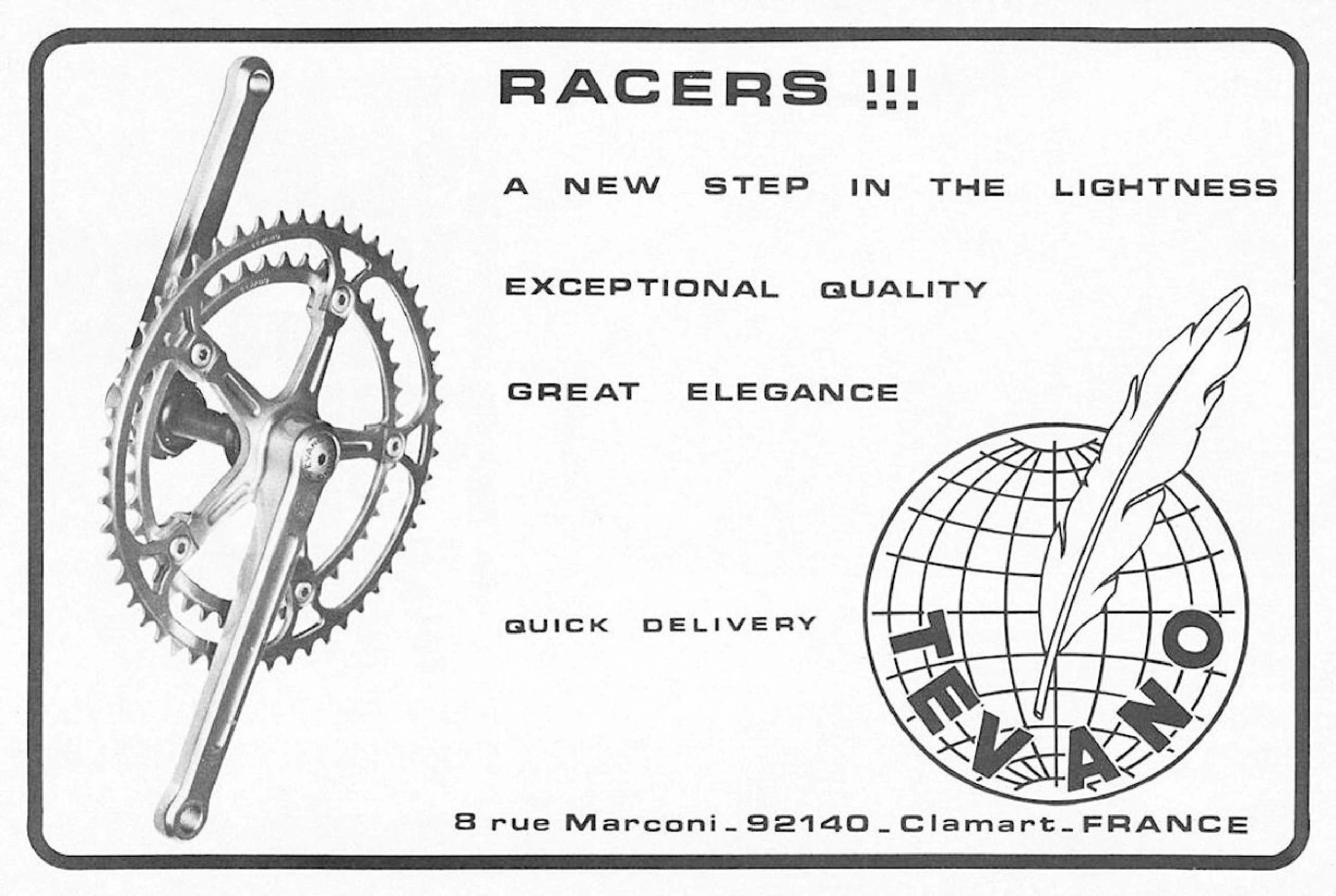
Enthusiasts of vintage French bicycles tend to have a love-hate relationship with proprietary tools and TA gave them plenty to feel both ways about. Its systems were particular enough that servicing them properly meant reaching for TA’s own tools, the best known of which is the “peanut butter” crank-bolt wrench, so nicknamed for its broad flat shape and a fixture of vintage tool rolls to this day.
Around it TA built a small kit of dedicated implements: a distinctive two-piece crank puller, a 15mm cotterless crank-bolt wrench and the bottom-bracket cup wrench that shipped with the Axix. None of it was strictly necessary in a world of generic tools and that was rather the point. TA built the tools its parts deserved and today owning the right ones is half the pleasure of keeping a vintage TA crankset alive.
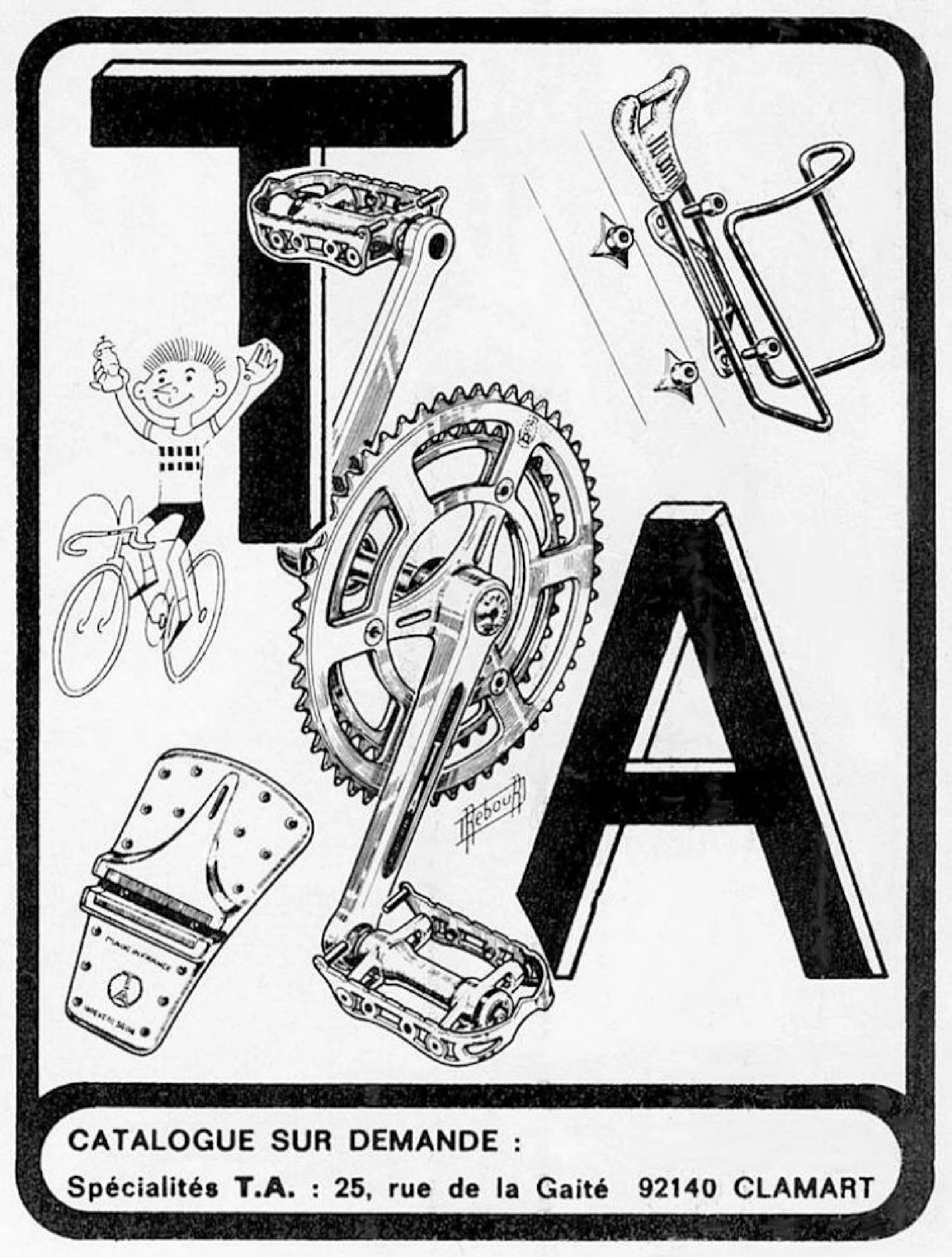
TA has always framed itself as the cyclotouriste’s marque, the maker for the rider grinding up a col with a loaded bicycle rather than the professional chasing a stage win. That reputation undersells it. Many riding greats have competed in the sport’s biggest events on TA equipment, and among the riders who pushed TA chainrings on the Tour de France were none other than Fausto Coppi and Gino Bartali.
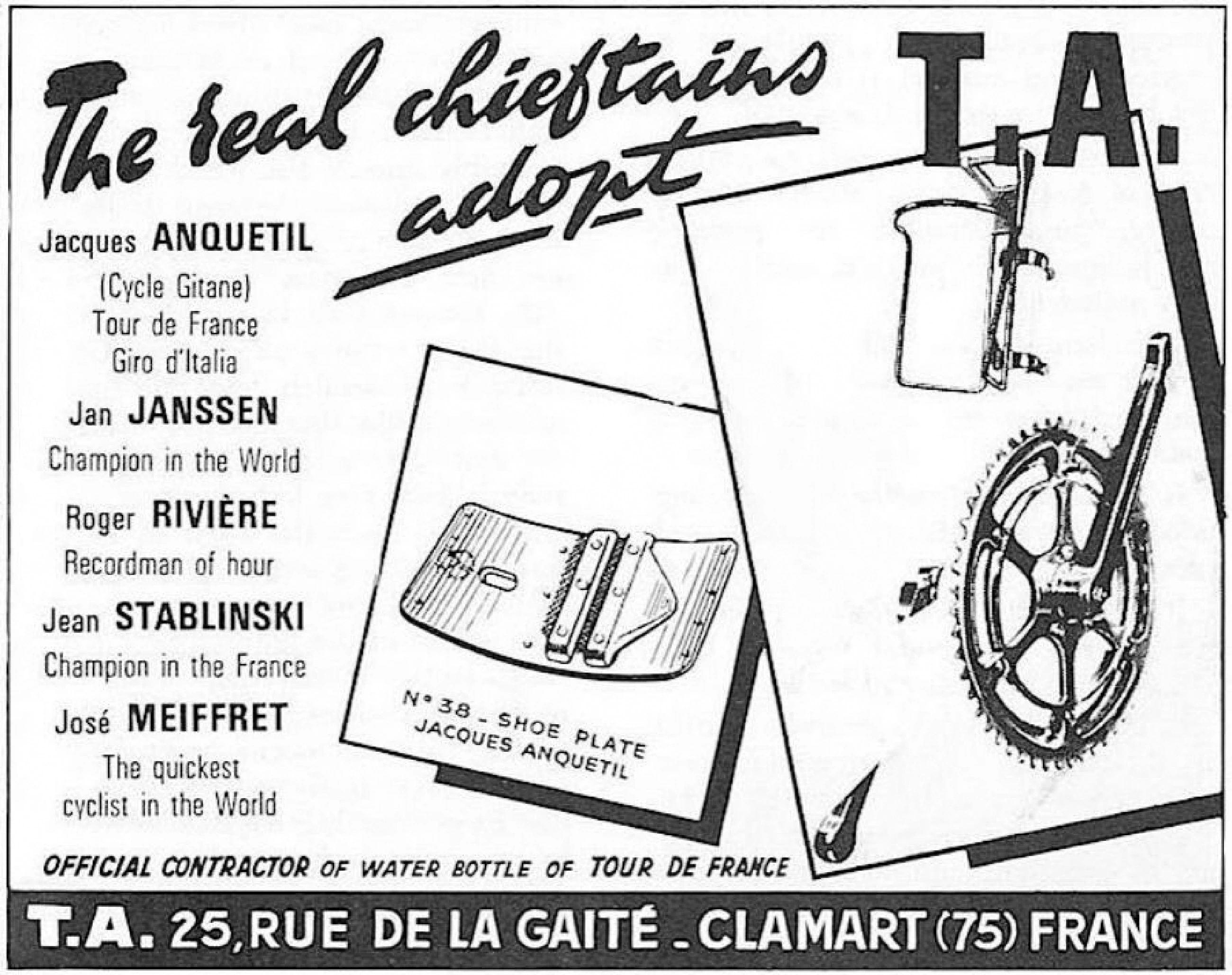
That reach, from the touring club to the front of the peloton, is the whole story in miniature. The same catalog that could gear a randonneur for the Alps could also equip a champion, because the underlying commitment never changed: build the part correctly, offer it in every size a rider might need and let the range do the rest. It is a lot of ground for a company of thirty people to cover, and TA has covered it for the better part of a century.

Through the 1960s TA gradually relocated to Trucy, in the Aisne, and settled into the role it plays best: a small workshop making a few things superbly well. There is a lovely symmetry to this stretch of the story, because the apprentice’s company came to supply the master. From its Trucy years, TA machined cranks and turned out chainring blanks for René Herse himself, closing a circle that had opened in a wartime workshop in Levallois.

At its height in the 2000s the figures became remarkable for so small a firm. TA turned out on the order of 200,000 chainrings a year across some 550 catalog references, roughly 60% of it destined for export, and its water bottles had grown from a 1980s sideline into a fifth of total revenue. A handful of managers oversaw a production staff of a few dozen personnel. Few companies of any size have turned so modest a footprint into so large a name.
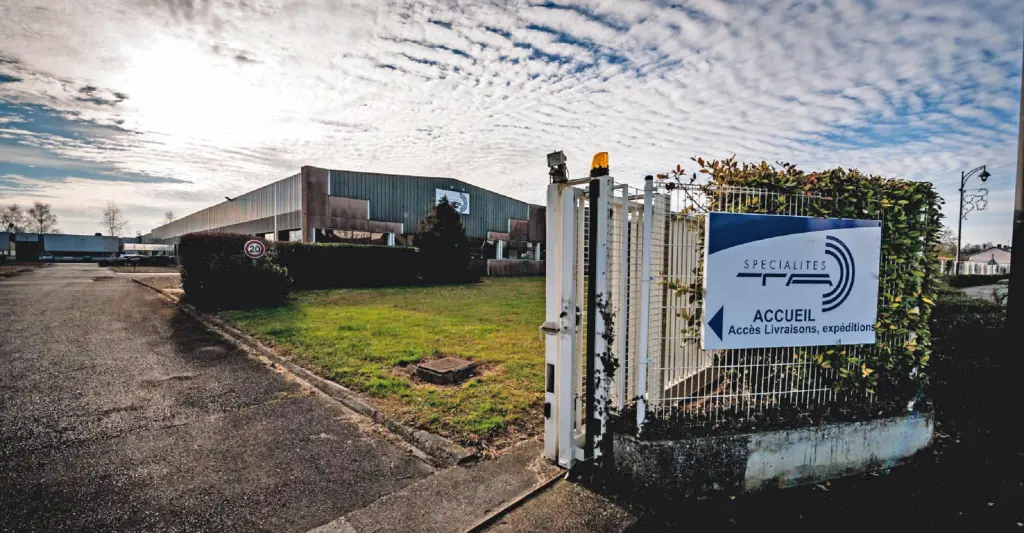
None of it was nostalgia. Behind the vintage catalog sat a thoroughly modern, fully computerized manufacturing operation, one that let TA engineers design tooth profiles for optimized shifting and even build many of their own production tools. The alloy kept improving too, from the original duralumin to the 7075 T6 used today, always in the service of durability and lightness. In January 2010 the company left Trucy for nearby Sissonne, and it carries on there as a smaller specialist, still turning out chainrings and cranks and still making parts for decades-old restorations. For its seventieth anniversary, in 2017, TA issued a limited run of 200 of its classic cranksets, a nod to the riders who never stopped asking for them.
There is a lighter side to all of this as well. Under a “Goodies” heading, the company has at times offered, of all things, official TA screensavers, an almost heartlessly promotional touch in the logo-infested world of cycling. It is easy to forgive. A firm that still builds a version of a crankset first shown more than 60 years ago, in service of the small and unglamorous bike-tourist market, is exempt from every charge of cynicism and planned obsolescence one might otherwise level. Thus screensavers.
Once TA found its niche in the 1950s it dedicated itself to the pursuit of technical perfection, aesthetic brilliance and pure utility, in whatever order makes you happiest. By refusing to engage in planned obsolescence, it secured a singular place in cycling history, the kind of quiet, durable respect that cannot be bought with marketing budgets or won in a single season or three.
So let them have their screensavers, their red-anodized chainrings and their carbon-fiber chainwheel protectors, so long as they keep slowly refining the finest examples in the world of a few very important things. TA has survived the disappearance of countless other French marques by staying steadfastly focused on the needs of the rider, tourist and champion alike, and by proving, again and again, that a good design in 1947 is very often still a good design today.

Adapted and expanded from an original article by Richard Risemberg.
Related reading on Ebykr: the companion Spécialités TA history timeline, and our histories of fellow French component makers Mavic and MAFAC.
Join the Spécialités TA Discussion!
Do you ride a Pro 5 Vis, chase a Criterium or swear by TA rings? Share your builds, questions and finds in our Component Deep-Dives forum.
Visit the Spécialités TA Forumhttp://www.blackbirdsf.org/ta/
http://www.blackbirdsf.org/ta/timeline.html
https://bike-cafe.fr/2017/01/le-pedalier-en-alu-une-histoire-pas-si-legere-que-ca/
http://velobase.com/ViewBrand.aspx?BrandID=7d3c581a-1b71-4c41-9bb7-56bcd8f3e9e1
https://fr.wikipedia.org/wiki/Sp%C3%A9cialit%C3%A9s_T.A.
https://www.classiclightweights.co.uk/classic_components/ta-cranks/
https://classicrendezvous.com/country-of-origin/france/french-parts/ta/
https://www.picardiegazette.fr/2012/11/les-100-000-plateaux-de-specialites-ta/
https://www.flickr.com/photos/stronglight/collections/72157604071490323/
https://www.vojomag.com/visite-made-in-france-specialites-ta-servi-sur-un-plateau/
Join the conversation below, or bring longer discussions and photos to the Ebykr Forums.

Dear Sirs:
In March, 1961, I bought a new Raphael Geminiani Olympic bicycle with the following components;
stronglite cottered cranks;axle length is 130mm
campagnolo gran sport deraillers, shifters, hubs
Mafac brakes
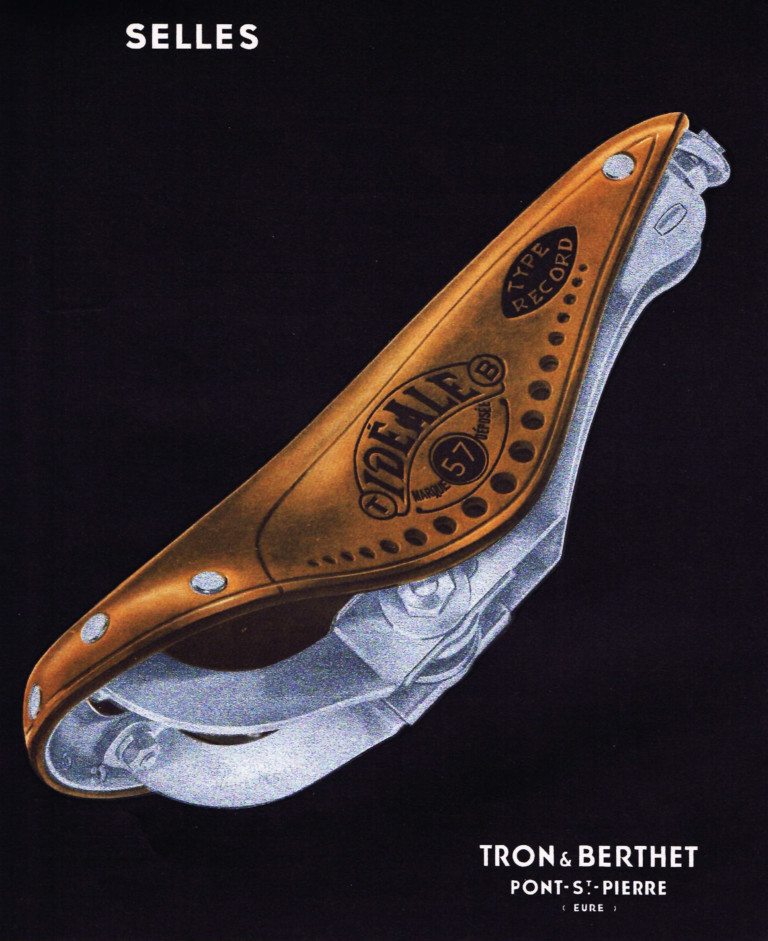
Ideale seat
At the same time, I bought from the dealer a set of alloy TA cranks, axle and chainwheele; axle is numbered 314; as I understand it, this axle is for a single chainwheel and to fit it on my bike, it would require a 344 axle.
Do you know where I can purchase a “344” axle.
Thank you; best wishes
Hi, great chain sets, does anyone know of a modern sealed ISO BB that will work with a triple?
I love TA. I’m running the Pro 5 Vis aka Cyclo-Touriste since 1985 now. This transforms to some 100,000 km or even more. I need to change the middle chainring for the first time now – after 21 years. And they are still in production (http://www.specialites-ta.com/produits/trans.htm).
In Canada, http://www.bikespecialties.com has them in stock. In Germany http://www.pedalkraft.de is the source.
Hello Robert,
It looks like Yellow Jersey (http://www.yellowjersey.org/esoteric.html) might have what you are looking for. If not, you might want to give Peter White Cycles (http://www.peterwhitecycles.com/) a holler. Peter is usually a good source for current TA chainrings.
Cheers,
Eric
Looks like chainrings are getting hard to get. Harris Cyclery is saying that they’re out of production, and no amount of googling has produced any results. I seriously want a 46t cyclotourist outer, or 5 pin track (provided it’s 3/32). ANY help would be appreciated.
Best,
Robert
Hi John,
Assuming it’s of any use, I have an orphaned drive-side old logo TA arm/chainring combination. Feel free to use the Ebykr ‘Contact’ page if interested.
Cheers,
Eric
desperately looking for pair of T.A. cyclotouriste 170mm 5 pin cranks
Renovating alex moulton speed. can any one help
I love TA. Their chainrings are tops. They make chainguards like no one else. Ta has always excelled at stocking a wide range of sizes. In modern “throw away” society, thank goodness for businesses that stick to high quality and innovation only if the innovated product remains high quality. TA deserves the utmost respect. I agree with Bill – TA’s Zephyr will be missed. Too bad I only own one.
I wish that they still made the Zephyr crankset.